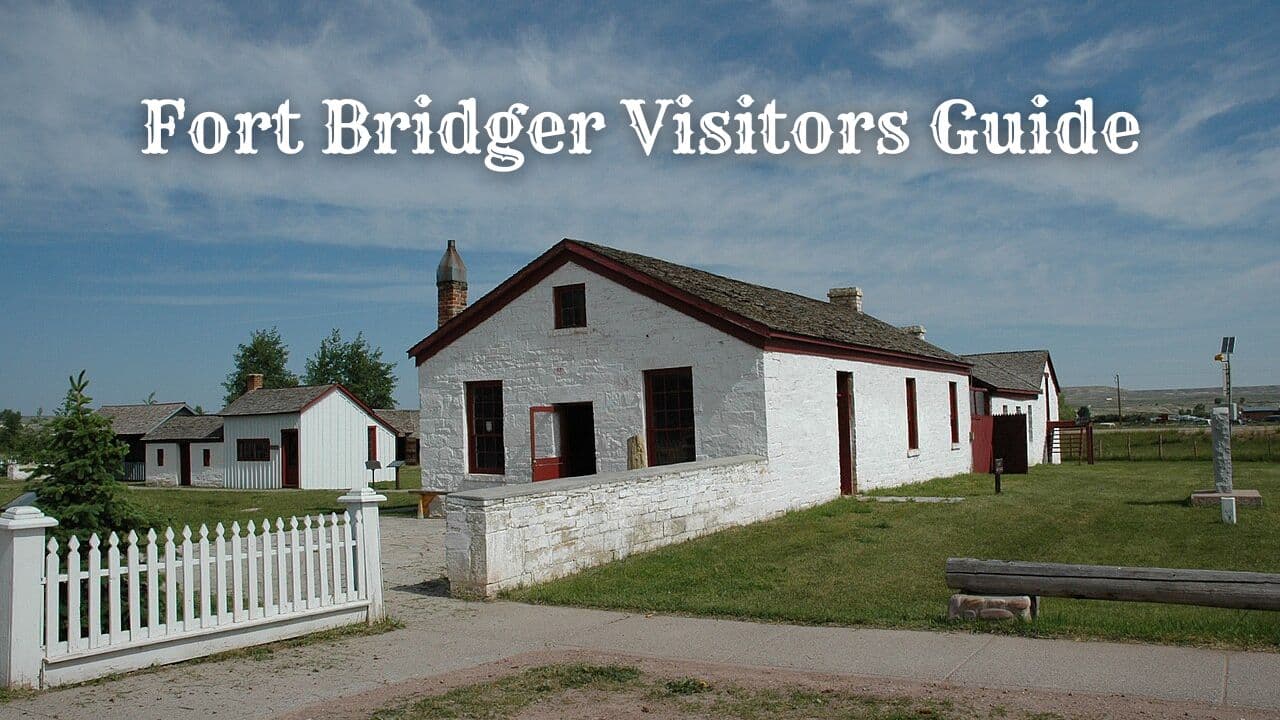
Fort Bridger is one of Wyoming’s most significant historic landmarks. It gives visitors a genuine glimpse into the American West’s frontier past.
This 37-acre site preserves 27 historic structures and tells the story of five distinct eras, from its founding as a fur trading post in 1843 through its time as a military outpost until 1890.
The fort served travelers on major emigrant routes, including the Oregon Trail, California Trail, and Mormon Pioneer Trail.
Located in southwestern Wyoming near Interstate 80, Fort Bridger was established by mountain man Jim Bridger and Louis Vasquez as a crucial resupply point for westward-bound pioneers.
The site changed hands several times, operating as a Mormon trading post before the U.S. Army took control in 1858.
Today’s state historic site features museum exhibits, living history demonstrations, and a mix of original and reconstructed buildings. All of these help bring this important chapter of American expansion to life.
BOOK YOUR TRIP TO FORT BRIDGER HERE
Fort Bridger Visitor Information
Fort Bridger State Historic Site sits in southwestern Wyoming, about three miles off I-80 at exit 34. The grounds cover 37 acres and include 27 historic structures and four replica buildings.
The fort operates with seasonal hours. From May 1 through September 30, it’s open daily from 9:00 AM to 5:00 PM for tours and exploration.
During the off-season, October 1 to April 30, the museum and grounds are open Friday through Sunday from 9:00 AM to 5:00 PM, weather permitting.
Admission
- Entrance fee: $5 per person
What to See
- Fort Bridger Museum and visitor center
- Restored military-era buildings
- Authentic reconstruction of the Bridger-Vasquez trading post
- Historic civilian cemetery
- Archaeological excavations (when active)
Visitors can wander the grounds on self-guided tours. The museum exhibits detail the fort’s role as a trading post and military installation during westward expansion.
Living history demonstrations take place periodically throughout the season. The fort also served as a Pony Express station, Overland Stage stop, and transcontinental telegraph station during the 1860s.
The U.S. Army garrisoned the location from 1857 to 1890.
Contact Information
Fort Bridger State Historic Site
Box 35
Fort Bridger, WY 82601
Tel: 307-782-3842
It’s a good idea to confirm hours and weather before planning a trip during the off-season months.
BOOK YOUR TRIP TO FORT BRIDGER HERE
History of Fort Bridger
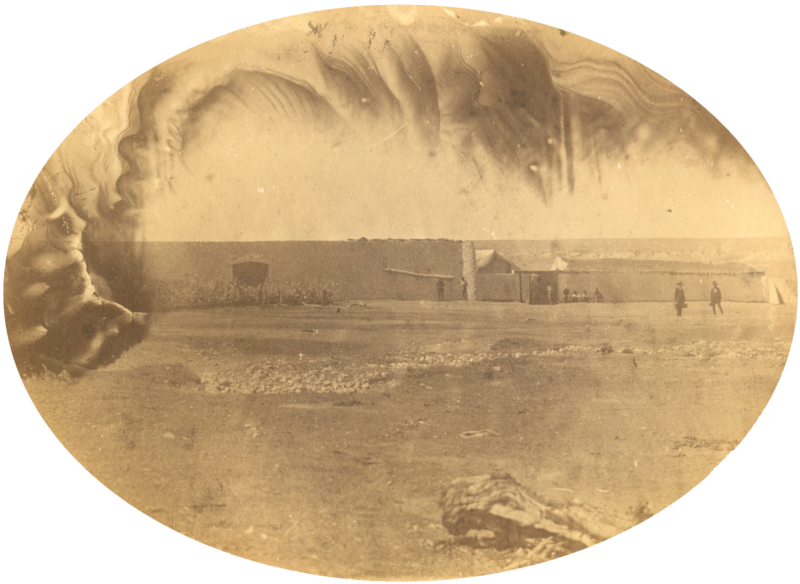
Jim Bridger and Louis Vasquez established Fort Bridger in 1843 at the Black’s Fork of the Green River in southwestern Wyoming. The fort started as a fur trading post, consisting of two double-log houses about 40 feet long, with a horse pen between them.
The fort quickly became a vital resupply station for emigrants heading west on the Oregon, California, and Mormon trails. Pioneers stopped to buy supplies, fix wagons, and rest before pushing on across the frontier.
Key Historical Periods:
- 1843-1857: Trading post and emigrant supply station
- 1857: Mormons burned the fort during the Utah War to keep the U.S. Army out
- 1858-1890: Military post after the Army rebuilt the structures
- 1860s: Pony Express station
The site changed hands a few times over its history. After the military left in 1890, William Carter and his family operated the property.
In 1928, the Historical Landmark Commission of Wyoming bought the fort and its remaining buildings. That marked the start of its preservation as a landmark.
The state historic site now covers 37 acres with 27 historic structures and four replica buildings. It preserves and interprets five eras: Mountain Men, Mormons, Military, later civilian use, and its current role as a museum.
Visitors can check out buildings like the old Pony Express barn and see remnants of the Mormon protective wall that still stand.
Points of Interest
Fort Bridger State Historic Site covers 37 acres and features 27 historic structures plus four replicas. These buildings chart the fort’s journey from fur trading post to military installation.
You can explore structures from different eras, examine artifacts in museum exhibits, and walk the same paths used by mountain men, Mormon pioneers, and U.S. Army soldiers.
Historic Fort Buildings
The original fort, built by Jim Bridger in 1843, had two double-log houses about 40 feet long, connected by a horse pen. Those first buildings are gone, but the site includes a faithful reconstruction of the Bridger-Vasquez trading post.
This reconstruction gives you a clear sense of the fort’s earliest days as a fur trading outpost. The buildings reflect the fort’s role as a key resupply point along the Oregon, California, and Mormon trails.
Travelers stopped here to repair wagons, rest livestock, and pick up supplies before heading further west. The trading post demonstrates the simple, functional architecture needed for frontier business.
Museum and Visitor Center
The Fort Bridger Museum acts as the main visitor center. It houses exhibits covering the site’s five occupation periods—Mountain Men, Mormon ownership, Military use, and later developments.
The museum displays artifacts, photographs, and interpretive materials that show how the fort evolved over 150 years. Exhibits dive into the daily lives of traders, emigrants, soldiers, and settlers who passed through or lived at Fort Bridger.
You’ll find tools, weapons, clothing, and personal items that make the past feel real. Living history demonstrations happen regularly, adding a hands-on feel to the site’s story.
Restored Military Structures
The U.S. Army occupied Fort Bridger from 1857 to 1890, and many military-era buildings still stand. These structures once housed infantry companies assigned to protect the frontier and support military operations in the region.
The restored buildings show off military architecture and offer a glimpse into garrison life on the Wyoming frontier. Officers’ quarters, enlisted barracks, and support buildings demonstrate the Army’s routines and organization.
Several structures feature period furnishings, showing how soldiers and their families lived during the fort’s military years. Preservation efforts keep the architecture authentic while letting the public explore.
Pioneer and Fur Trade Exhibits
The site highlights several historic trails that met at Fort Bridger, including the Pony Express Trail, Overland Trail, and Cherokee Trail. Exhibits explain why this spot became such a crucial junction for westward migration and communication.
Artifacts from wagon trains and pioneer families show the tough challenges emigrants faced on their journeys. Fur trade exhibits focus on the mountain man era, when trappers and traders ran the region.
Jim Bridger and Louis Vasquez set up their trading post to serve both Native Americans and white travelers. Display cases hold beaver pelts, traps, and trade goods that fueled early frontier commerce.
Parade Grounds and Walking Trails
The fort’s parade grounds served as the main gathering space during military times and still draw visitors today. Self-guided walking tours let you explore the entire 37-acre site at your own pace.
Interpretive signs scattered across the grounds explain the purpose of different buildings and landscape features. Sometimes, you’ll spot open archaeological excavations, offering a peek into ongoing research and discoveries.
The grounds also include a historic civilian cemetery where you can read old headstones and learn about people who lived and died here.
Natural features such as the Black Fork River, sagebrush, and prairie support wildlife—mule deer, pronghorn, and bald eagles— all of which add to the site’s atmosphere.
Activities and Experiences
Fort Bridger State Historic Site is the heart of activities in this small Wyoming community. The museum, set in a former infantry barracks and milk barn, displays exhibits from five eras, including the Mountain Men, Mormon occupation, and military history.
Visitors can browse the gift shop or let kids play in the designated corral. The historic site offers self-guided tours through restored buildings dating back to the 1840s.
Interpretive displays throughout the grounds give context about the fort’s role as a key resupply point along westward trails.
Key Activities Available:
- Touring the museum and historical exhibits
- Exploring original and reconstructed fort buildings
- Attending special events and reenactments
- Photography opportunities throughout the grounds
- Educational programs about frontier history
The fort hosts seasonal events that bring history to life with period demonstrations and activities. Costumed interpreters often show off frontier skills and crafts from the trading post era.
Check current operating hours before visiting, since schedules shift by season. The site provides parking and restroom facilities, and most activities focus on historical education and preservation.
It’s a solid destination for history buffs and families interested in stories of Western expansion. The surrounding area also offers outdoor recreation typical of rural Wyoming.
Fort Bridger’s location makes it easy to reach for travelers on Interstate 80 through southwestern Wyoming.
Is It Worth a Visit?
Fort Bridger State Historic Site is worth a stop if you’re passing through southwest Wyoming. It’s just three miles off I-80 at exit 34, so you won’t have to go far out of your way.
The site stretches across 37 acres and features 27 authentic structures from different periods.
You can see a reconstruction of the original Bridger-Vasquez trading post from 1843, plus buildings from the Mormon trading post era and the U.S. Army years.
What Makes It Worth Visiting:
- Self-guided tours through historic buildings with period furnishings
- Living history demonstrations
- Museum exhibits on frontier and military life
- Open archaeological excavations
- Original structures from the Oregon Trail era
The site really appeals to anyone interested in Western history, the Oregon Trail, or frontier military life. Families with kids often enjoy the interactive displays and preserved buildings.
The fort changed hands several times over the years. It operated as a trading post for Oregon Trail travelers, a Mormon waystation between 1853 and 1857, and a U.S. Army post from 1857 to 1890.
Most visitors spend one to two hours exploring the grounds. The site provides enough context to understand frontier life without taking up your whole day.
If you’re driving along I-80, the location is convenient, and the short detour offers a nice break from the highway—plus a dose of history and education.
Travel Tips
Fort Bridger is just three miles off I-80 at exit 34 in southwest Wyoming. It’s one of the most accessible historic sites for travelers heading west.
The convenient spot makes for an easy detour. Plan to spend at least two to three hours exploring the 37-acre site, which includes 27 historic structures and several replicas.
The fort stays open year-round, though hours change by season.
Best visiting considerations include:
- Timing: Summer months offer the most activities, including the annual Mountain Man Rendezvous
- Weather: Southwest Wyoming gets temperature extremes, so dress in layers
- Facilities: Restrooms and parking are available on-site
- Accessibility: The historic site has mostly level terrain that’s easy for walking
Accommodations are available in Fort Bridger for overnight stays. You’ll also find lodging in nearby communities along the I-80 corridor.
Natural attractions go beyond the historic buildings—there’s Groshon Creek, aspen groves, and old pine trees from the military era. Photographers will find plenty of interesting sights throughout the grounds.
Bring water and sun protection in warmer months. The high desert climate can be sneaky, and dehydration happens quickly at elevation.
If you’re really into frontier history, consider downloading audio guides or reading up on the site before you visit. Fort Bridger’s ties to the Oregon Trail and Jim Bridger’s original trading post give you lots to dig into.
Nearby Destinations
Fort Bridger sits in southwestern Wyoming. Several towns and attractions are within easy driving distance, which is honestly kind of convenient if you ask me.
The area offers a wide range of recreational opportunities. There are also some pretty interesting historic sites nearby.
Evanston is about 35 miles west of Fort Bridger. It’s a bigger town, so you’ll find more dining, shopping, and lodging options if you’re exploring this part of Wyoming.
Green River sits to the north. It’s another hub for travelers and opens up more outdoor activities, plus it’s a good jumping-off point for other Wyoming attractions.
If you’re after wilderness, the Uinta Mountains are accessible from Fort Bridger. These mountains have hiking, fishing, and camping in a really scenic alpine setting.
Nearby Towns and Distances:
| Town | Approximate Distance |
|---|---|
| Evanston | 35 miles west |
| Green River | North of Fort Bridger |
| Mountain View | Within 30 miles |
There are about two towns within a 35-mile radius of Fort Bridger. That’s not a lot, but honestly, it’s part of what makes this region peaceful—perfect if you want to get away from big crowds.
Rock Springs is another spot you might want to check out if you’re passing through. You’ll find more amenities and services there, which can be handy on a road trip.
If you’re up for it, you can plan day trips within a 30-50-mile radius to see more of the Bridger Valley. The area keeps its rural vibe while still offering access to Wyoming’s natural landscapes and a bit of that old frontier history.

Cory is a website owner and content creator who enjoys fishing, history, coin collecting, and sports, among other hobbies. He is a husband and father of four.
Romans 15:4 For whatever was written in former days was written for our instruction, that through endurance and through the encouragement of the Scriptures we might have hope.