
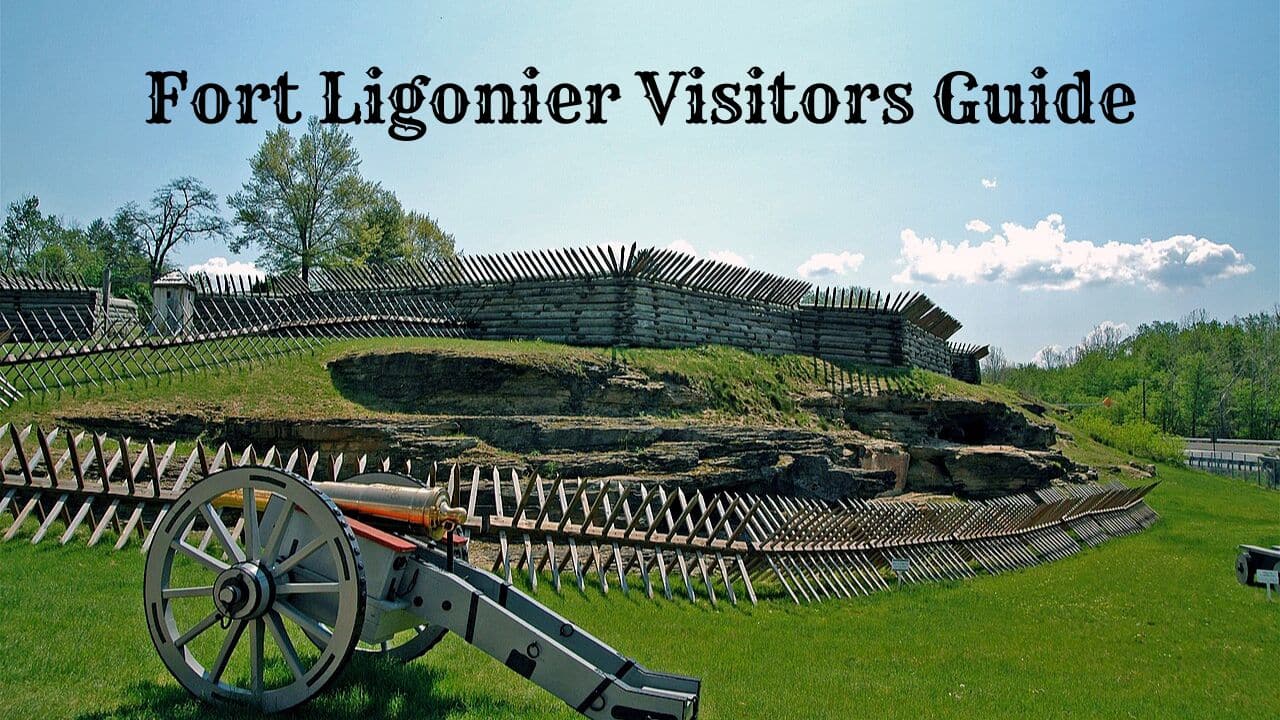
Fort Ligonier sits in western Pennsylvania as a restored British fort from the French and Indian War. Built in 1758, it served as a key military post during the era when European powers fought over North America.
Today, you can walk through an accurate reconstruction on the original site, with a museum full of artifacts and exhibits about colonial military life.
Planning your visit? It’s helpful to know what to expect. The fort mixes outdoor exploration with indoor galleries that share the story of this 250-year-old site.
You’ll want info on operating hours, ticket prices, and what makes this place worth checking out. The fort has more than just old buildings—there are hands-on activities and special events, too.
BOOK YOUR TRIP TO FORT LIGONIER HERE
Fort Ligonier Visitor Information
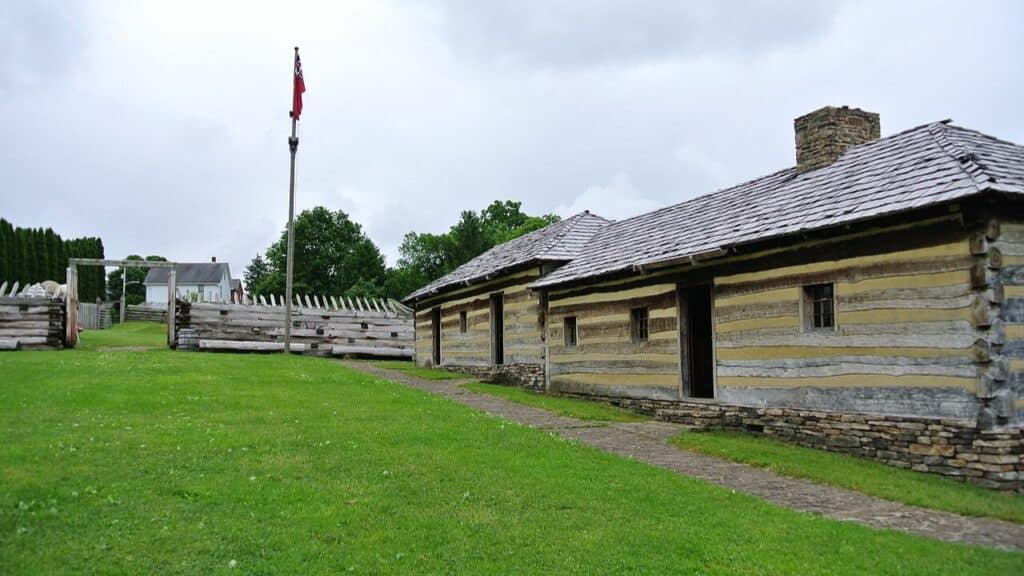
Fort Ligonier is at 200 South Market Street in Ligonier, Pennsylvania. It’s nestled in the scenic Laurel Highlands, so it’s an easy day trip.
Hours of Operation
The fort and museum are open daily from 10:00 AM to 5:00 PM, starting in early April and continuing through Thanksgiving weekend.
In winter (December through March), only the museum is open on Fridays, Saturdays, and Sundays from 10:00 AM to 5:00 PM.
The fort closes for winter, but the museum opens during Christmas week from December 26-30, 2026. Fort Ligonier is closed on Easter Sunday, Thanksgiving Day, Christmas Eve, Christmas Day, New Year’s Eve, and New Year’s Day.
Admission Prices
| Visitor Type | Price |
|---|---|
| Adults | $17.00 |
| Senior Citizens (62+) | $14.00 |
| Active Military, Veterans & Law Enforcement | $10.00 |
| Youth (Ages 4-17) | $10.00 |
| Children (3 and under) | FREE |
| Fort Ligonier Association Members | FREE |
Your ticket covers the museum galleries, fort, 8-acre historic site, and daily programs. Tours are self-guided, but you can download an audio tour for more details.
Special Programs
Fort Ligonier participates in Museums for All, so guests with EBT/SNAP benefits pay just $3 per person, up to 4 people.
Active military and up to five family members get in free from Armed Forces Day through Labor Day thanks to the Blue Star Museums Program.
BOOK YOUR TRIP TO FORT LIGONIER HERE
The History of Fort Ligonier
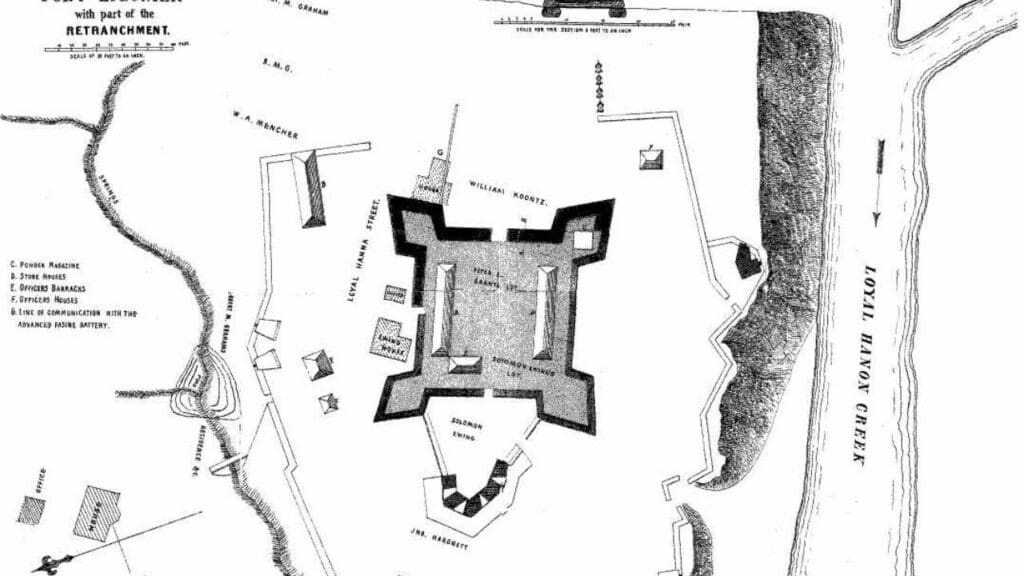
The British built Fort Ligonier in the summer of 1758 during the French and Indian War. They picked a spot overlooking Loyalhanna Creek in what’s now Ligonier, Pennsylvania.
It was the last fort in a chain along the newly cut Forbes Road. The fort’s main purpose was to serve as a staging area for the Forbes Expedition, a campaign to capture Fort Duquesne from the French about fifty miles west.
Brigadier General John Forbes led this tough push to build a road and supply an army through 300 miles of wilderness.
On October 12, 1758, French and Native American forces attacked, but the British held the post, and the attackers retreated back to Fort Duquesne.
After the British captured Fort Duquesne in late November 1758, they built Fort Pitt there. That land eventually became Pittsburgh.
Fort Ligonier stayed active as a British garrison through the rest of the French and Indian War and during Pontiac’s War.
Key facts about Fort Ligonier:
- Never captured while in use
- Housed about 2,000 British and colonial troops
- Worked as a crucial supply depot
- Helped establish British control in western Pennsylvania
What to See at the Fort
Fort Ligonier gives you a full 18th-century military experience. The 8-acre site sits right where British forces built their outpost during the French and Indian War.
The Reconstructed Fort
The fort stands on its original 1758 site, rebuilt to match the British Army’s design. You’ll walk the same grounds where George Washington once served as a young officer.
The wooden fort shows off a star-shaped layout, a classic British defense style. Four corner bastions stick out to allow overlapping fields of fire.
The walls are built of horizontal logs with firing ports at intervals. Inside, you’ll see the central parade ground where troops gathered for drills and daily duties.
The layout shows how commanders organized the space for defense and daily life.
Barracks and Officers’ Quarters
The reconstructed buildings show where soldiers lived and worked. The enlisted men’s barracks are cramped, with simple wooden bunks.
Officers’ quarters look much nicer, with period furnishings that reflect their higher status. You’ll spot desks, chairs, and beds that officers would have used.
Each building is full of period-appropriate items like cooking utensils, clothing, and military gear. These touches help you picture daily life at a frontier post in 1758.
Museum Exhibits
The Fort Ligonier Museum holds a big collection of archaeological finds from the site. You’ll see military buttons, weapon parts, pottery shards, and personal items left behind by soldiers.
There are rare original paintings from 18th-century artists that show military scenes and colonial life. The galleries put the French and Indian War in context and connect it to global events.
You’ll find weapons, uniforms, and equipment used by British, French, and Native American forces. Maps show why Fort Ligonier’s spot on the Forbes Road mattered so much.
Interactive exhibits break down military tactics, frontier warfare, and the tough daily life soldiers faced out here.
Artillery and Defensive Works
The fort displays period-accurate cannons at the bastions and along the walls. These artillery pieces show how defenders could target attackers from different angles.
Outside the wooden walls, you’ll spot earthworks that added extra protection. The ditches and ramparts forced attackers to move slowly under fire.
The defensive layout made direct assault dangerous, which is probably why Fort Ligonier survived the 1758 attack.
Living History Programs and Special Events
Daily programs bring the fort’s story to life with demonstrations and educational activities. Staff in period clothing show skills like cooking, military drills, and crafts.
These programs are included with general admission. You don’t need reservations for daily activities, but guided group tours do require scheduling ahead.
Special events throughout the year feature bigger reenactments and themed programs. You might see musket firing, military encampments, or hands-on activities for kids.
Things to Do on Site
Fort Ligonier offers several activities across its 8-acre site. You can explore both the museum galleries and the reconstructed fort during your visit.
Museum Experience
The museum holds one of the most complete collections of French and Indian War artifacts anywhere. You’ll find items dug up from the original site, plus original paintings by 18th-century artists.
The galleries tell the story of the French and Indian War and show the fort’s role in shaping American history.
Fort Exploration
Outside, you can walk through the reconstructed British fort built on its original spot. The fort includes rebuilt artillery batteries, cannons, wagons, and period buildings.
Tours are self-guided, so you can wander at your own pace. An audio tour is available if you want to dig deeper as you go.
Daily Programs and Activities
Fort Ligonier runs daily programs and activities, all included with admission. These hands-on experiences connect the site’s history to larger events. You can try immersive activities that bring the 1700s to life.
If you’re visiting with a group, guided tours and special programs are available. Just make reservations in advance by emailing office@fortligonier.org or calling 724.238.9701.
Is a Visit Worthwhile?
Fort Ligonier delivers a solid experience for history fans and families interested in colonial America. You get a museum packed with artifacts and a full-scale reconstruction of the 18th-century British fort.
What Makes It Worth Your Time:
- The museum’s collection covers the Forbes Trail and the French and Indian War in impressive detail
- You can walk through an accurate fort on the original ground
- The 8-acre site adds context about George Washington’s early career
- Daily programs and activities make the visit more engaging
Admission is $17 for adults and includes everything—museum, fort, grounds, and programs. Some folks think the price is a bit high, but it does get you access to a lot. The self-guided format means you can take your time.
The site works well for:
- Families with kids ages 4 and up
- Anyone interested in colonial military history
- Visitors exploring the Laurel Highlands
- People curious about Pittsburgh’s origins
Downtown Ligonier’s location makes it easy to pair your visit with nearby activities. Active military, veterans, and seniors get discounted admission. Kids under 3 are free, so it’s budget-friendly for young families.
Tips for a Great Visit
Plan on spending at least two to three hours at Fort Ligonier. That’s enough time to see both the museum and the reconstructed fort without rushing.
Self-guided tours let you go at your own pace. You can download an audio tour to learn more as you walk around.
Best Times to Visit:
- Weekday mornings are usually less crowded
- The fort is open April through November
- The museum stays open on winter weekends, but the outdoor fort closes December through March
Wear comfortable shoes—there’s grass, gravel, and some uneven ground around the fort. Bring a water bottle and dress in layers since much of the site is outdoors. It’s smart to check the weather before heading out.
If you have accessibility needs, call ahead at 724.238.9701. Fort Ligonier is autism-friendly and works to accommodate visitors with different needs.
Save Money on Admission:
- See if your local library has a Museums Pass Program for free entry
- Bring your EBT card for $3 admission through Museums for All
- Active military families get free admission from Armed Forces Day through Labor Day
Groups should book guided tours in advance by emailing office@fortligonier.org. These programs go deeper than the regular self-guided tour.
Photography is welcome all over the site. The wooden fort and live demonstrations make for some great photos.
Nearby Attractions
The Ligonier area has several attractions just a short drive from Fort Ligonier. You can wander around the historic downtown on the Ligonier Diamond, where local shops and restaurants line the streets.
Popular Nearby Activities
The Diamond Theatre of Ligonier brings live entertainment to visitors. There’s also the Ligonier Country Market, which is great for finding local goods.
Families might like Friendship Park, a spot for outdoor recreation. It’s a good place to let kids run around or just relax under the trees.
Cultural and Entertainment Options
If you’re into art, G Squared Gallery highlights work by regional artists. The Wicked Googly and Hogue’s Fun Factory are more casual spots for a night out or some lighthearted fun.
Ligonier Lanes has bowling for groups and families. It’s a classic way to spend an afternoon or evening together.
Annual Events
Fort Ligonier Days is a big annual celebration here. Local schedules also list seasonal activities and festivals, so it’s worth checking what’s on during your visit.
Practical Considerations
Most attractions sit within walking distance or a short drive from the fort. The downtown is compact, so you can hit several spots in a single day if you want.
Honestly, there’s more to do here than just the fort. With the history, shops, and parks, you could easily fill a day exploring Ligonier and its surroundings.

Cory is a website owner and content creator who enjoys fishing, history, coin collecting, and sports, among other hobbies. He is a husband and father of four.
Romans 15:4 For whatever was written in former days was written for our instruction, that through endurance and through the encouragement of the Scriptures we might have hope.