
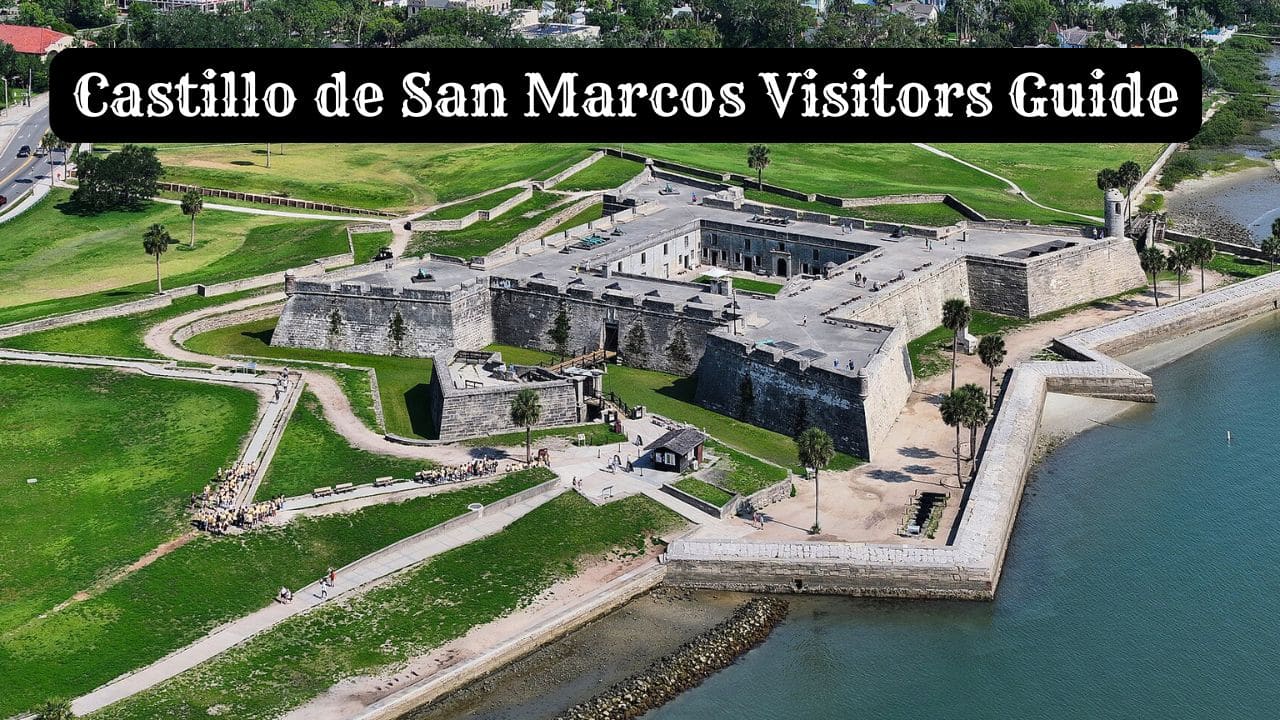
Castillo de San Marcos National Monument is the oldest masonry fort in the continental United States, built by the Spanish between 1672 and 1695 to protect St. Augustine, Florida.
sits on the western shore of Matanzas Bay and has seen almost 450 years of cultural change and conflict.
The fort changed hands from Spanish to British to American control before becoming a National Monument.
Today, you can walk through its well-preserved rooms and learn about its construction, military history, and the role it played in defending Spanish claims in the New World.
The monument hosts cannon firing demonstrations, historical reenactments, and exhibits throughout the fort. If you plan ahead, you’ll get more out of your visit to this historic site.
BOOK YOUR TRIP TO Castillo de San Marcos Here
Castillo de San Marcos Visitor Information
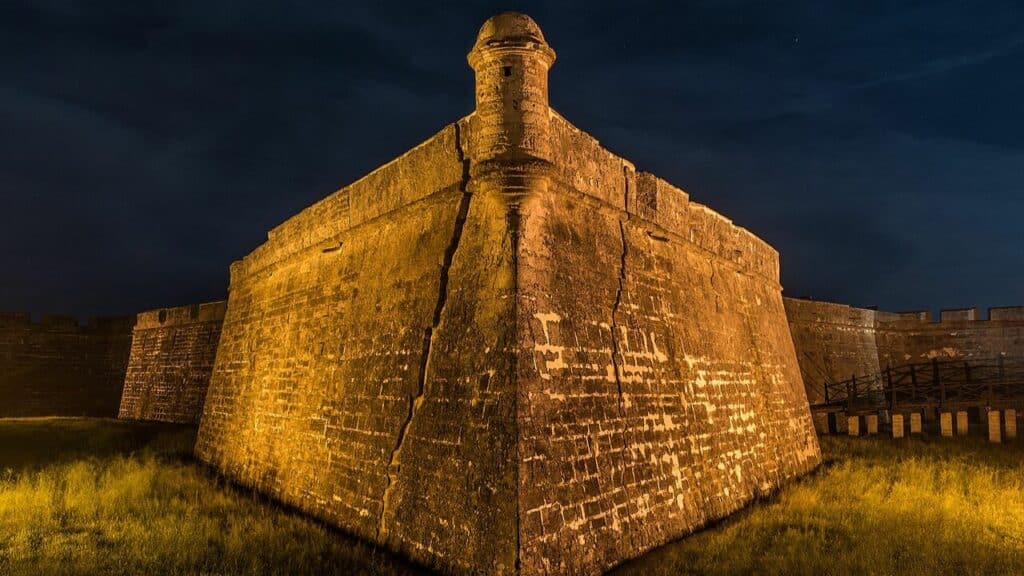
You’ll find the Castillo de San Marcos in St. Augustine, Florida. It’s the oldest masonry fortification still standing in the continental U.S.
The fort sits right on the waterfront, representing centuries of cultural history. It’s hard not to feel the past here.
Hours and Admission
Admission costs $15 per vehicle. Check the official National Park Service website for up-to-date operating hours—they change seasonally.
Planning Your Visit
Most people spend about one to two hours exploring. There’s both basic info and deeper background studies if you’re a history nerd (no shame).
What to Expect
The fort’s made of coquina, a shellstone that absorbs cannon fire instead of shattering. That’s why it’s survived centuries of attacks.
On most weekends, reenactors fire the cannons—loud, smoky, and pretty cool. Check the schedule at the visitor desk when you arrive.
Special Events
The park puts on special events throughout the year. You can find the calendar on their website and plan a trip around an interesting event.
Practical Tips
Living History and Historic Weapons Demonstrations take place regularly. There’s so much history here, you can’t see it all in one go. Planning ahead really pays off at the Castillo.
BOOK YOUR TRIP TO Castillo de San Marcos Here
History of Castillo de San Marcos
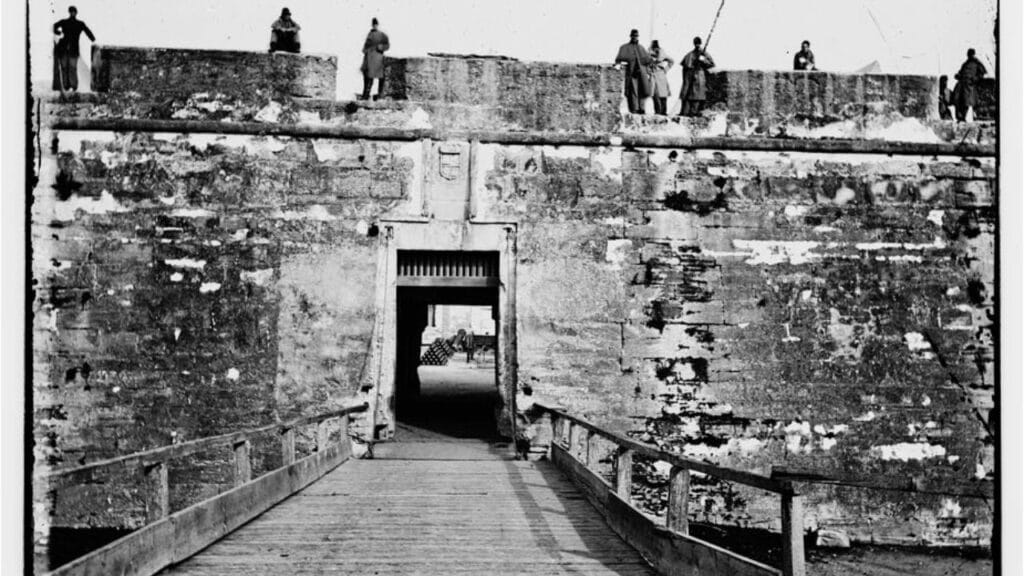
The Castillo de San Marcos is the oldest masonry fort in the continental U.S. Spanish colonists began building it in St. Augustine in the late 1600s and completed it in 1695.
Before the stone fort, the Spanish relied on wooden defenses. Those didn’t hold up—English buccaneer Robert Searle burned much of St. Augustine, showing everyone that something sturdier was needed.
Key Historical Periods:
- Spanish Control (1695-1763): The fort was Spain’s northernmost outpost, defending Florida and Atlantic trade routes.
- British Occupation (1763-1783): Britain took over during their Florida rule.
- Second Spanish Period (1783-1821): Spain regained the fort before giving Florida to the U.S.
- American Military Use (1821-1900): The U.S. Army used the fort for various military purposes.
- National Monument (1924-present): The site was designated a national monument.
Its spot on Matanzas Bay let soldiers watch ships and protect the city. Building the Castillo was a big investment by Spain to defend its colonial interests.
The fort witnessed more than 450 years of cultural intersections among Spanish, British, Native American, and American cultures. Each group left its mark, and the stories keep unfolding.
Notable Features of the Fort
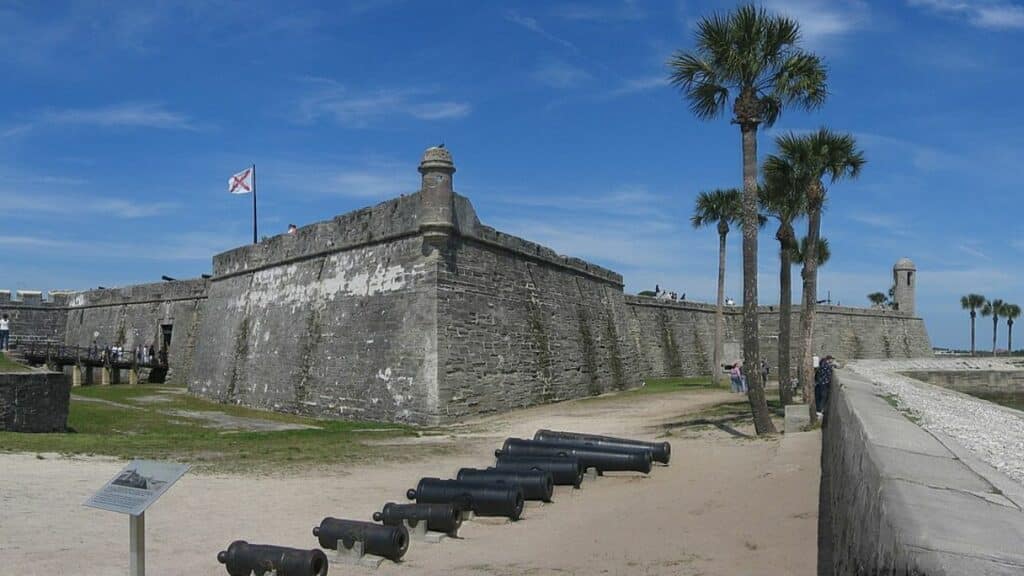
The Castillo stands out for its coquina stone walls and clever military design. You can wander defensive bastions, stroll cannon decks with water views, check out museum displays, and catch live demonstrations that make history feel real.
Coquina Stone Fort
The walls are made of coquina, a rock composed of shells and coral. Spanish builders picked it because it soaks up cannonballs instead of crumbling.
Workers quarried the stone from Anastasia Island across the bay. Construction dragged on from 1672 to 1695. Some walls are 14 feet thick and 33 feet tall.
Coquina’s durability is impressive. It’s outlasted storms, attacks, and time—nine earlier wooden forts didn’t stand a chance.
Defensive Walls and Bastions
Four diamond-shaped bastions anchor the fort’s corners. These let soldiers see and shoot in every direction—no hiding for attackers.
A dry moat surrounds the fort, and a triangular ravelin guards the main entrance. Enemies had to cross both before even reaching the gate.
The fort follows the European bastion system, which replaced medieval castles after gunpowder became common. Every feature had a defensive purpose.
Cannon Deck and Matanzas Bay Views
The gun deck sits on top, where dozens of cannons once stood. You can walk the perimeter and see replica cannons in their original spots.
The deck gives sweeping views of Matanzas Bay, downtown St. Augustine, and the Bridge of Lions. Spanish soldiers watched for enemy ships from up here, ready to defend the city.
On a clear day, you can see Anastasia Island—where the coquina was quarried. The gun deck is easily the best viewpoint in the fort.
Museum Exhibits
Inside, rooms display artifacts from the Spanish, British, and American periods. You’ll see weapons, uniforms, tools, and personal items from soldiers and prisoners.
The rooms, once storage and living quarters, show how cramped life got during sieges. Period furnishings give you a glimpse of daily life back then.
Interpretive signs explain the fort’s role in defending Spanish Florida and controlling Atlantic trade. The fort served as a military stronghold and even a prison for Native American leaders.
Ranger Programs and Historic Weapons Demonstrations
Park rangers run daily programs about the fort’s construction, history, and culture. These free talks cover cannon operations, colonial life, and military tactics.
Rangers answer questions and share stories about the people who lived and fought here. Weapons demonstrations show how soldiers loaded and fired cannons and muskets.
Rangers in period clothing explain military procedures and fire replica weapons on select days. The cannon blasts are loud—be ready for it!
Special programs pop up on weekends and holidays. Sometimes, living history events feature reenactors in full Spanish, British, or American uniforms showing off military drills from the 1700s and 1800s.
Recommended Activities
Explore the fort at your own pace with a self-guided tour. The casements feature exhibits that tell the story of this place, and you can grab a free brochure or map to help you get around.
The park offers a mobile app for Android and iOS. Download it for a self-guided tour as you walk through the fort—it’s handy and saves time.
Cannon Firing Demonstrations are a big draw. Reenactors put on these loud, smoky shows several times most weekends. Check the schedule at the visitor desk when you arrive so you don’t miss out.
The Junior Ranger Program engages kids through interactive activities. Families love this part—it keeps everyone engaged.
If you want more history, there’s a park film available. Living history demonstrations happen throughout the year, depending on weather and season.
Best Times to Visit:
- Gates open at 9 a.m.
- The first ninety minutes are quieter and have softer light—great for photos.
- Tour groups usually show up around 11 a.m.
Walk along the fort’s walls and soak up the bay views. The site encourages you to explore based on your interests and schedule.
Special events pop up all year, so check the calendar before visiting if you want to catch something unique.
Visitor Value and Highlights
Castillo de San Marcos is worth the $15 entrance fee. Most people spend one to two hours here, but history buffs could stay all day.
This is the oldest masonry fortification in the continental U.S. Built by the Spanish in the 1600s, it preserves over 450 years of history in downtown St. Augustine.
Key attractions:
- Live cannon firing demonstrations on weekends
- Well-preserved coquina walls and historic architecture
- Friendly, knowledgeable reenactors
- Exhibits about Spanish colonial history
- Views of Matanzas Bay from the fort walls
The coquina construction makes the fort stand out. It absorbed cannon fire, helping the structure survive centuries of attacks.
Visitors rave about the immersive reenactments and informative presentations. The staff brings history to life and adds context you won’t get from a textbook.
Planning tips:
- Arrive early for easier parking
- Check the visitor desk for cannon firing times
- Visit the website before you go to plan your activities
- Look up special events on the park calendar
With hands-on demonstrations, historic architecture, and so much history, this place is a must-see for families, history fans, and architecture lovers alike.
Tips for Your Visit
Most folks spend one to two hours exploring. If you arrive early, you’ll dodge the crowds and get the best experience.
The entrance fee is $15 per vehicle. Check the park’s calendar before your trip to see what special events or cannon demonstrations are happening.
Best Times to Visit:
- Early morning for fewer people
- Check the schedule for weapons demonstrations
- Plan around cannon firing times if you want to see them
There’s a virtual tour available on-site, so you can read exhibits without waiting in line. It includes ranger videos and 3D models of the well, Hot Shot Furnace, and artillery pieces.
You can explore over 340 years of North American history here. The fort’s castle-like architecture overlooks both the Historic District and the waterfront.
What to Bring:
- Comfortable walking shoes
- Water and sun protection
- Camera for photos—trust me, you’ll want them
Guided tours offer more detail if you’re into history. If not, self-guided exploration lets you go at your own pace.
The fort sits on a grassy embankment with wide open grounds. Weather can change things up, so dress for the season.
For parking and current hours, check the park’s official website. A bit of planning goes a long way here.
Nearby Points of Interest
The area around Castillo de San Marcos is packed with historic sites and attractions. Most are less than a 10-minute walk away, which is honestly pretty convenient.
Historic Landmarks
Saint George Street is just for pedestrians and it’s lined with shops, restaurants, and old colonial buildings. You’ll find the Oldest Wooden School House here, and it’s easily one of St. Augustine’s most photographed spots.
People love to check out the City Gates, which once marked the northern entrance to the colonial city. The Fountain of Youth Archaeological Park marks the site where Spanish explorers landed back in 1513.
The Peña-Peck House and the Oldest House Museum both offer guided tours. These buildings date back centuries, and walking through them feels like stepping into the past.
Religious and Cultural Sites
The Chapel of Our Lady of La Leche is America’s oldest Marian shrine. It’s tucked inside the Mission of Nombre de Dios, where Spanish settlers set up the first mission in 1565.
Waterfront Areas
Matanzas Bay hugs the fort’s eastern side and gives you some really nice water views. There are walking paths and green spaces along the bay, perfect for a break between sightseeing.
Parks and Recreation
Anastasia State Park, just a short drive from downtown, has beaches, camping, and nature trails. Fort Mose Historic State Park tells the story of the first free African settlement in North America.
Both parks add even more history to the region’s already complex past.

Cory is a website owner and content creator who enjoys fishing, history, coin collecting, and sports, among other hobbies. He is a husband and father of four.
Romans 15:4 For whatever was written in former days was written for our instruction, that through endurance and through the encouragement of the Scriptures we might have hope.