
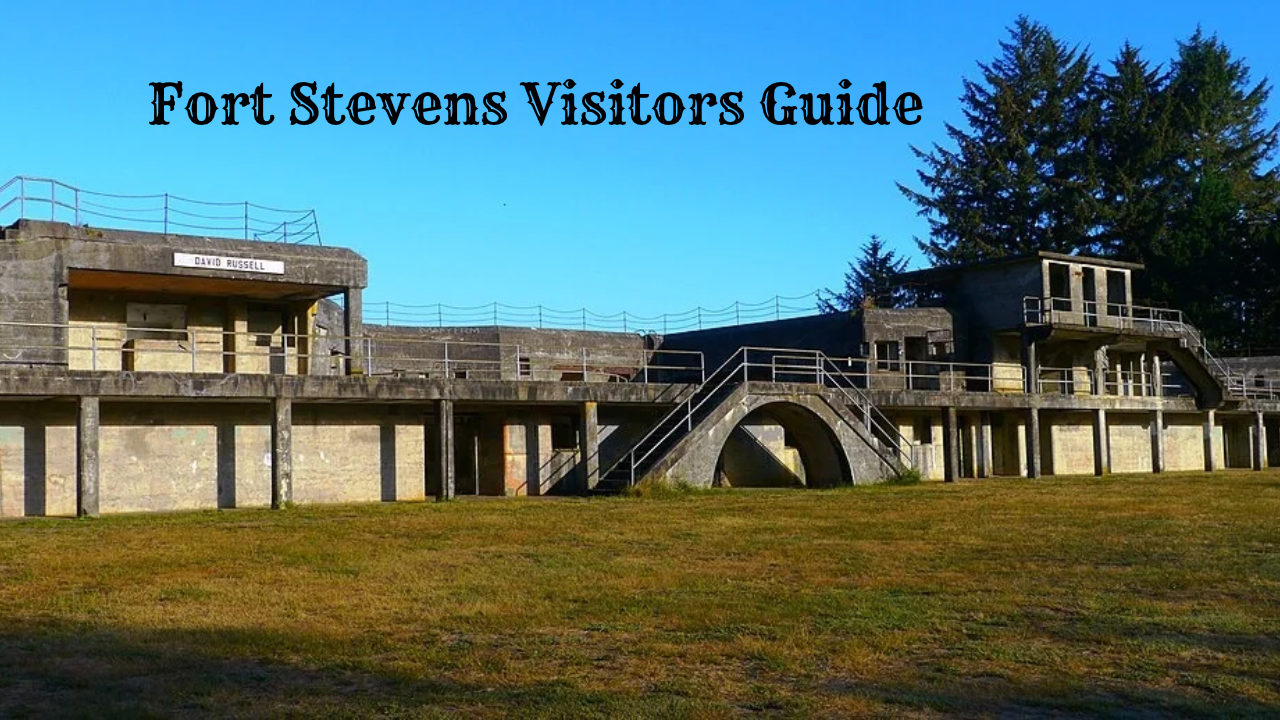
Fort Stevens State Park in Oregon sits at the mouth of the Columbia River in Clatsop County, near the towns of Hammond and Astoria. The park covers 4,300 acres and is one of the largest public campgrounds in the country.
Fort Stevens State Park offers camping, beach walks, a freshwater lake, 15 miles of trails, a military museum, and the Peter Iredale shipwreck, all in one place.
The site was once a military fort that guarded the river for 84 years, from the Civil War to World War II. Visitors can still explore old gun batteries and the only Civil War era earthen fort on the West Coast.
This Fort Stevens State Park travel guide covers the park’s main sights, camping options, fees, and current construction updates. It gives travelers the details they need to plan a trip.
BOOK YOUR TRIP TO FORT STEVENS HERE
Fort Stevens Visitor Information
Fort Stevens State Park sits on the north Oregon Coast near the town of Hammond, close to Astoria and Warrenton. The park is open year-round, and it covers about 4,300 acres.
Day-use hours change with the seasons. Most day-use areas open in the early morning and close in the evening, with longer hours in summer. Visitors should check the Oregon State Parks website for current times before they go.
| Detail | Information |
|---|---|
| Location | Hammond, Oregon (near Astoria) |
| Park size | About 4,300 acres |
| Open | Year-round |
| Day-use parking fee | $10 per vehicle per day |
| Annual parking permit | Sold by Oregon State Parks; covers all state park day-use areas |
| Camping | Reservations required; book up to 6 months ahead |
| Military tours info | Friends of Old Fort Stevens, 503-861-2000 |
The day-use parking fee applies to each vehicle. Visitors can pay at self-pay stations in the park or buy a permit online.
Registered campers do not need to pay the day-use fee during their stay. A camping receipt counts as the parking permit.
Other useful facts:
- The RV dump station costs $10, and visitors pay by QR code.
- Underground battery tours run only in summer.
- Seasonal bike rentals are available for adults and kids.
- The South Loops of the campground are closed while construction work is underway.
Weather on this part of the coast can be wet and windy. Visitors should bring layers, even in summer.
The History of Fort Stevens
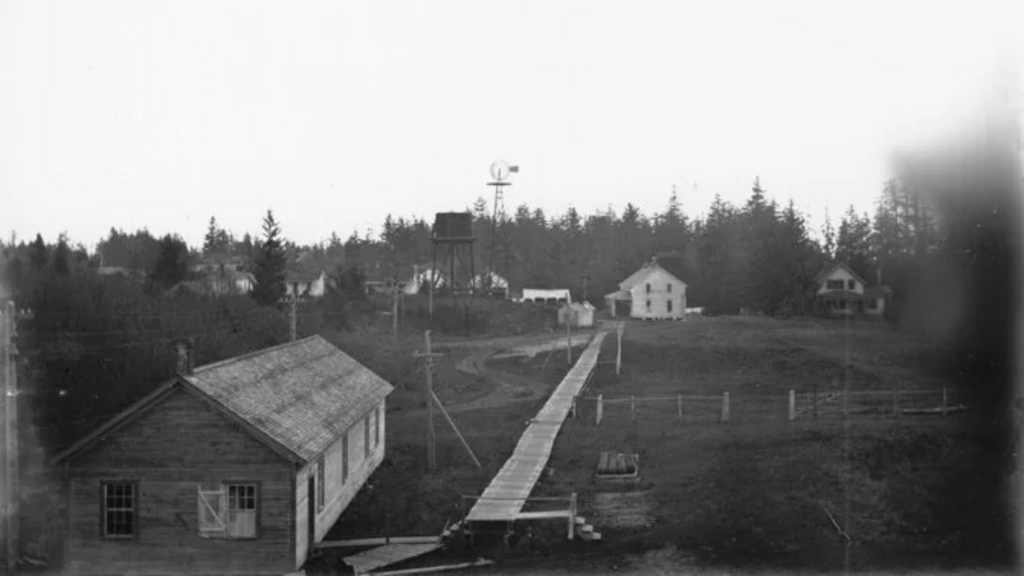
Fort Stevens was built near the end of the Civil War to guard the mouth of the Columbia River. The military situated the post at Point Adams, facing the main shipping channel.
Congress approved it in 1862, along with two forts on the Washington side.
The fort was named after Isaac I. Stevens. He was a former governor of Washington Territory who died in battle in 1862.
The fort served for 84 years, from the Civil War to World War II. Here are some key dates:
| Year | Event |
|---|---|
| 1862 | Congress approves the fort |
| 1864 | Construction is underway |
| 1896 | The Army begins to update the fort |
| 1904 | Battery Russell, the last concrete gun site, is finished |
| 1942 | A Japanese submarine fires on the fort |
| 1947 | The fort is closed |
The most famous event took place on June 21, 1942. The Japanese submarine I-25 fired 17 shells at the fort. The shells caused little damage, and the fort did not fire back.
This made Fort Stevens the only military base in the lower 48 states to be shelled by an enemy warship since the War of 1812. A stone marker near Battery Russell honors the event.
After the fort closed, the land became part of Oregon’s state park system in the 1950s. Today it is listed on the National Register of Historic Places. Visitors can see old gun sites, a museum, and rebuilt earth walls from the Civil War fort.
BOOK YOUR TRIP TO FORT STEVENS HERE
What to See at Fort Stevens
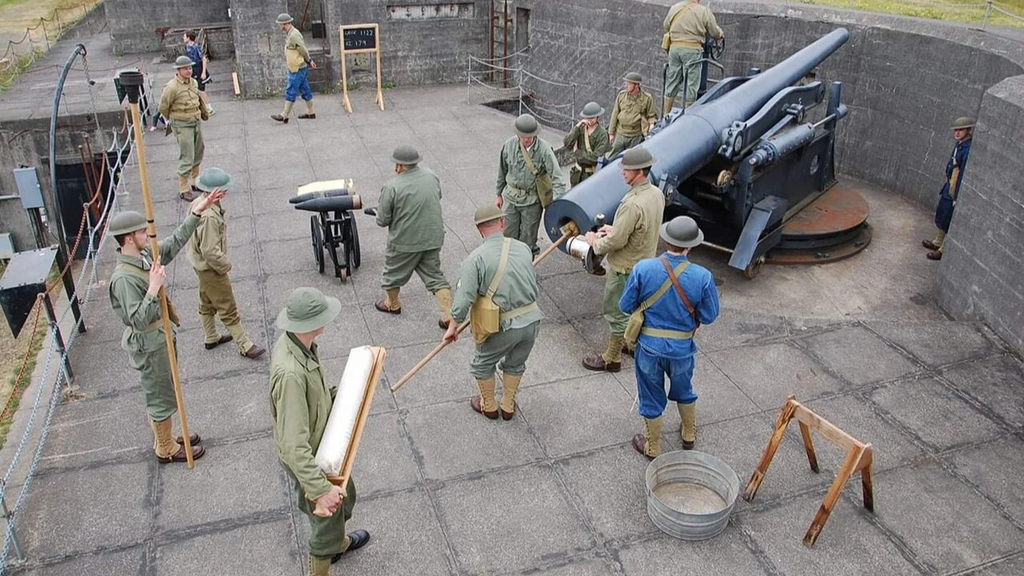
Fort Stevens holds sites from the Civil War through World War II, including an 1865 earthen fort, concrete gun batteries, and the spot where a Japanese submarine fired on the fort in 1942.
The park’s beaches also hold the Peter Iredale shipwreck and the South Jetty at the mouth of the Columbia River.
The Historic Military Area and Museum
The historic military area sits on the north side of the park, near the town of Hammond. It is the best place to start learning about the fort’s 84 years of service, from the Civil War to World War II.
The military museum and information center is open year-round. It has displays on the soldiers, weapons, and daily life at the fort. Nearby, visitors can see the brick Guard House, which has been getting repairs to its brick joints and a new roof.
The Friends of Old Fort Stevens run summer tours, including:
- Underground tours of a gun battery that served as a World War II command center
- Guided walks through the historic grounds
For tour times, visitors can call the group at 503-861-2000.
The Civil War Earthen Fort
The original Fort Stevens was finished in 1865. It is the only Civil War-era earthen fort on the West Coast. The Union Army built it to protect the Columbia River from Confederate ships or a possible attack from Britain.
The fort was named after Isaac Stevens. He was the first governor of Washington Territory and a Union general killed in battle in 1862.
The fort was made mostly of packed earth, not stone. It had a moat around it and gun positions on top of its walls. Visitors can still walk around the outline of the walls and moat today. Signs along the way explain how the fort was designed and used.
Battery Russell and the Concrete Gun Batteries
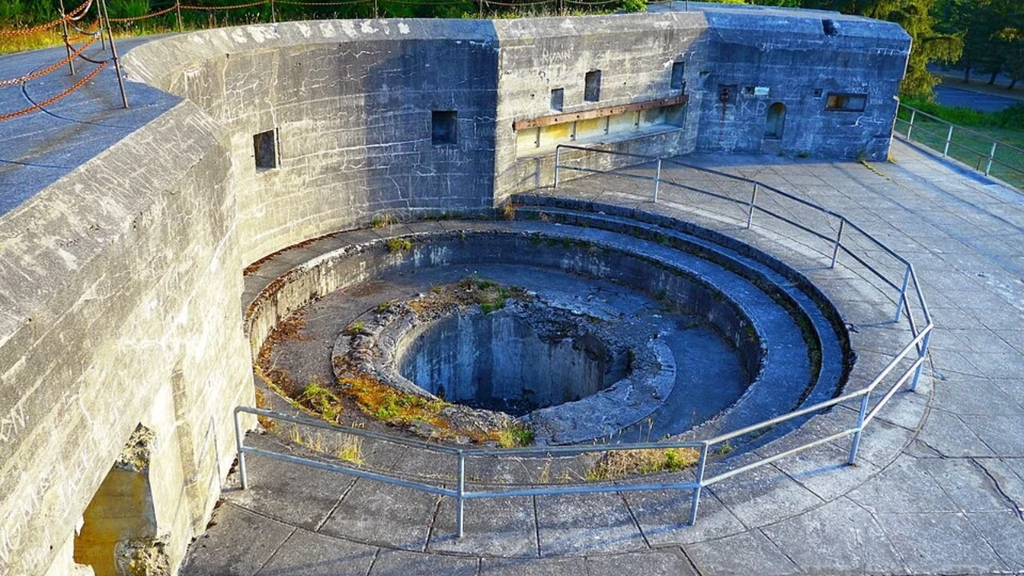
Starting in the late 1890s, the Army added large concrete artillery gun batteries. These structures replaced the older earthen defenses. Several of them still stand in the park, and visitors can walk through many of their rooms and stairways.
Fort Stevens Battery Russell is the best-known battery. It was finished in 1904 and held two 10-inch guns. It stayed in use until 1944.
| Battery | What to Know |
|---|---|
| Battery Russell | Held two 10-inch guns; site of the 1942 attack |
| Battery Mishler | Underground battery used as a WWII command center; summer tours |
| Battery Pratt | Smaller battery near the historic area |
The guns are gone, but the thick walls and gun platforms remain. A flashlight helps when exploring the darker rooms.
The 1942 Japanese Submarine Attack Site
On the night of June 21, 1942, the Japanese submarine I-25 surfaced off the coast and fired about 17 shells toward Fort Stevens. It was the only attack on a military base in the mainland United States during World War II.
The shells caused little damage. One hit near Battery Russell, and others landed in empty fields and marshes. A baseball backstop and some phone lines were damaged. No one was hurt.
The soldiers at the fort did not fire back. Officers believed the submarine was out of range and did not want to show the location of their guns.
Today, a marker at Battery Russell explains the event. Visitors can stand at the battery and look out toward the ocean where the submarine was.
The Peter Iredale Shipwreck
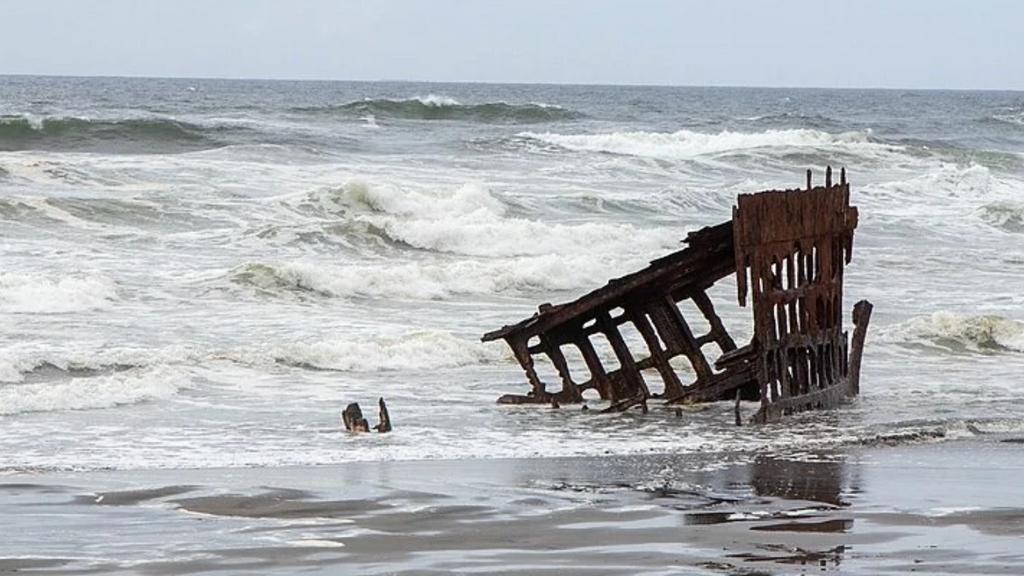
The Fort Stevens Peter Iredale shipwreck is the park’s most visited site. The Peter Iredale was a four-masted steel sailing ship from Britain.
It ran aground on October 25, 1906, while heading to the Columbia River to pick up a load of wheat.
Strong winds and currents pushed the ship onto the beach. All 27 crew members, including two stowaways, survived.
The rusted bow and parts of the frame still sit in the sand. Here are some tips for visiting:
- Go at low tide to walk right up to the wreck.
- Park in the lot close to the beach for a short walk.
- Visit at sunset for good photos.
More than 100 years of waves have worn the ship down, so less of it remains each year. Even so, the historic shipwreck remains one of the most photographed attractions on the coast.
South Jetty and the Mouth of the Columbia River
The South Jetty stretches into the ocean at the park’s northwest corner. It was built starting in 1885 to help ships cross the dangerous Columbia River Bar. This stretch of water has caused so many wrecks that it is called the Graveyard of the Pacific.
A viewing platform near the jetty parking area gives a clear view of where the river meets the ocean. From here, visitors can see:
- Large cargo ships and fishing boats crossing the bar
- Waves breaking along the jetty rocks
- The Washington coast across the river
The area is also good for bird watching and storm watching in winter. Visitors should stay off the jetty rocks, since large waves can sweep over them without warning.
Things to Do at Fort Stevens State Park
Fort Stevens State Park covers about 4,300 acres near Astoria and Hammond, where the Columbia River meets the Pacific Ocean.
Visitors can tour old military sites, enjoy wildlife viewing, camp year-round, ride bikes on paved trails, swim in a freshwater lake, and walk the beach to the Peter Iredale shipwreck.
Historic Tours
Fort Stevens served as a military post for 84 years, from the Civil War to World War II. It guarded the mouth of the Columbia River. Today, much of the old fort is open for visitors to explore.
Key historic sites include:
- The Civil War earthen fort, the only one of its kind on the West Coast
- Concrete gun batteries built around 1900, such as Battery Russell
- The military museum and information center, open year-round
- The historic Guard House, which has been under repair, including a new roof
Battery Russell has a unique place in history. In June 1942, a Japanese submarine fired shells near it. This made Fort Stevens one of the few military sites in the mainland United States attacked during World War II.
In summer, guided underground tours take visitors inside a gun battery that served as a World War II command center. For tour details, call the Friends of Old Fort Stevens at 503-861-2000.
Camping, Yurts and Cabins
Fort Stevens camping is a major draw. The park has one of the largest public campgrounds in the country, and it is open all year. Every site has a picnic table and fire pit.
| Site Type | Number |
|---|---|
| Full-hookup sites | 174 (36 pull-through) |
| Electrical sites with water | 302 (11 pull-through) |
| Tent sites | 6 |
| Yurts | 15 (7 pet-friendly) |
| Deluxe cabins | 11 (5 pet-friendly) |
| Primitive hike-in sites | 9 |
| Hiker/biker camp | Yes |
Reservations are required. Campers can book up to six months ahead at oregonstateparks.reserveamerica.com. The campground has flush toilets, hot showers, and an RV dump station.
The dump station costs $10, and registered campers pay only once per stay.
For accessibility, 8 cabins and 10 yurts are set up for campers with disabilities. The campground has also been getting utility upgrades, which closed the South Loops for a time. Campers should check current loop status before booking.
Biking and Hiking Trails
The park has about 15 miles of multi-use trails. Most are paved and fairly flat. This makes them good for families, kids on bikes, and casual walkers.
The trails connect the campground to many main sites. Riders can reach the historic batteries, Coffenbury Lake, the beach, and the shipwreck without driving.
Visitors who do not bring bikes can rent them. The park offers seasonal adult and youth bike rentals.
Other trail activities include:
- Walking the 2-mile loop around Coffenbury Lake
- Hiking through coastal forest and dunes
- Playing the Columbia Shore Disc Golf Course
Coffenbury Lake
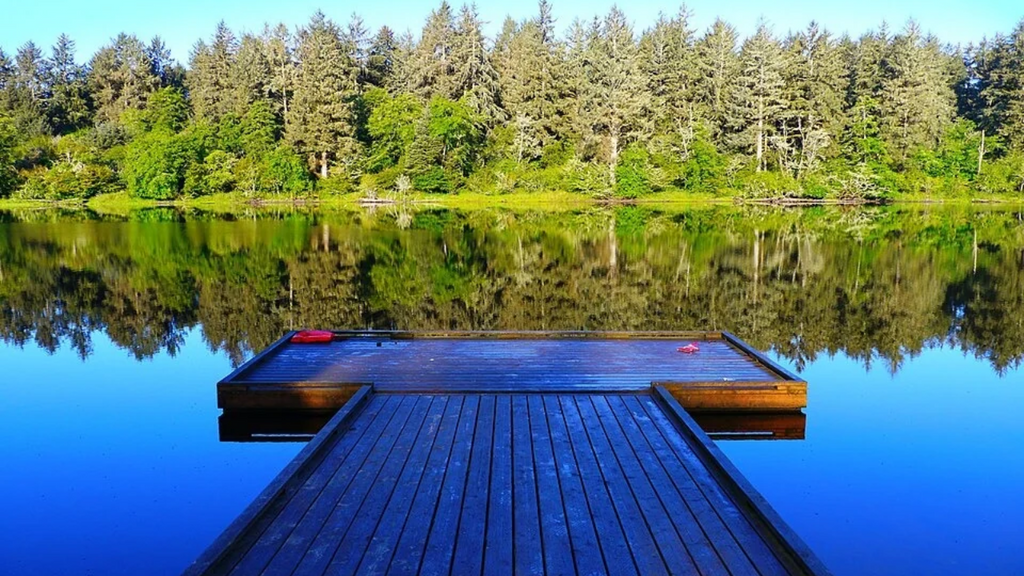
Coffenbury Lake is a freshwater lake inside the park. It offers a calm option for those who do not want to swim in the cold ocean.
The lake has:
- Two picnic areas
- A swimming area
- Restrooms
- A boat ramp for canoeing and quiet boating
- A 2-mile trail that circles the lake
Fishing is popular here, and the lake is stocked with trout. Anglers need a valid Oregon fishing license.
In summer, rangers lead guided kayak tours on the lake. These tours are a good fit for beginners. Visitors can ask about times and sign-ups at the Ranger Station.
Beachcombing and Wildlife Viewing
The park has miles of open Pacific beach. The best-known stop is the Peter Iredale shipwreck. This sailing ship ran aground in 1906, and its rusted frame still sits on the sand. Visitors can walk right up to it at low tide.
Casual beach-combing is popular along the sand, where visitors often find shells, driftwood, and sand dollars. Checking a tide chart before visiting helps people see more of the shore and the wreck.
Wildlife is common in the park. Visitors may see:
- Roosevelt elk and deer in grassy areas
- Shorebirds, gulls, and bald eagles
- Seabirds near the South Jetty, which has a viewing platform
The South Jetty also gives views of the Columbia River mouth. Large ships often pass by as they enter or leave the river.
Prime spots for wildlife viewing include the wetlands, shorelines, and quiet forest clearings. Mornings and late afternoons offer the best chances to spot active animals.
Starting the Oregon Coast Trail
Fort Stevens is the northern trailhead of the Oregon Coast Trail. This long-distance route runs about 425 miles south to the California border.
Most of the trail follows beaches. Other parts use headland trails, forest paths, and some roads. Hikers in the north section pass through Gearhart, Seaside, and Cannon Beach.
Some people hike the full trail over several weeks. Others choose short day hikes from the park.
Hikers starting here can use the hiker/biker camp or the primitive hike-in sites. Long-distance hikers should plan for tides, river crossings, and changing coastal weather.
Is Fort Stevens Worth Visiting?
Fort Stevens State Park is worth visiting for most travelers on the north Oregon Coast. It mixes history, beaches, and outdoor activities in one 4,300-acre park. Many visitors find enough to fill a full day or a weekend.
The park works well for different types of visitors. Here is what each group may enjoy most:
| Visitor Type | Main Reasons to Go |
|---|---|
| History fans | Civil War era earthen fort, concrete gun batteries, military museum |
| Families | Beach time, Coffenbury Lake swimming, picnic areas |
| Hikers and bikers | About 15 miles of multi-use trails, northern start of the Oregon Coast Trail |
| Campers | Large year-round campground with RV sites, yurts, and cabins |
| Photographers | Peter Iredale shipwreck, river and ocean views |
The Peter Iredale shipwreck is one of the most visited sights. Its rusted frame sits right on the sand. It is easy to reach from the parking area.
Some points may affect a visit:
- Weather on the coast is often cool, windy, or rainy, even in summer.
- Underground battery tours run mainly in the summer.
- Campground work has closed some loops in recent years, so campers should check current status before booking.
- Reservations are required for camping and can fill up quickly in peak season.
The park is also close to Astoria, Warrenton, and Hammond. This makes it easy to add food, shopping, and museums to the same trip.
Tips for Visiting Fort Stevens
Visiting Fort Stevens goes more smoothly with some planning. The park covers about 4,300 acres, so visitors should decide ahead of time which areas they want to see.
Plan ahead for camping. Reservations are required for all campsites. They can be made up to six months in advance through the Oregon State Parks reservation website. Summer weekends tend to fill up early.
Check for construction updates. The campground has been getting upgrades to its utilities. Some loops have been closed during this work. Visitors should check the park website for current closures before they arrive.
Here are a few more practical tips:
- Pay for parking. Oregon State Parks charges a day-use parking fee at Fort Stevens. Campers usually do not need a separate permit during their stay.
- Book tours early. Underground tours of a World War II gun battery run in summer. Call the Friends of Old Fort Stevens at 503-861-2000 for details.
- Visit the shipwreck at low tide. Exploring the historic shipwreck is much easier and safer when the tide is out.
- Bring binoculars. Binoculars come in handy for wildlife viewing and watching ships cross the river bar.
- Dress in layers. The north Oregon Coast is often cool, windy, and wet, even in summer.
- Bring or rent a bike. The park has about 15 miles of paved and multi-use trails. Bike rentals are offered seasonally.
| Item | Cost or Detail |
|---|---|
| RV dump station | $10 fee, paid by QR code |
| Kayak tours | Summer only, ask at the Ranger Station |
| Accessible lodging | 8 cabins and 10 yurts |
Pet owners should note that only some yurts and cabins allow pets.
Nearby Attractions
Fort Stevens State Park sits near the mouth of the Columbia River. Several towns, historic sites, and nearby parks are a short drive away. This makes the park a good base for exploring the north Oregon Coast.
Astoria is about 10 miles east of the park. It is one of the oldest American settlements west of the Rocky Mountains.
| Attraction | Location | What Visitors Can Do |
|---|---|---|
| Astoria Column | Astoria | Climb 164 steps for views of the river and coast |
| Columbia River Maritime Museum | Astoria | Learn about shipwrecks and river history |
| Astoria Riverwalk and Trolley | Astoria | Walk or ride along the waterfront |
| Oregon Film Museum | Astoria | See displays about movies filmed in the area, such as The Goonies |
| Fort Clatsop | Near Astoria | Visit a replica of the Lewis and Clark winter camp |
| Seaside Promenade | Seaside | Walk a 1.5-mile path along the beach |
| Ecola State Park | Near Cannon Beach | Hike forest trails with ocean views |
| Haystack Rock | Cannon Beach | View tide pools and seabirds at low tide |
Fort Clatsop is part of the Lewis and Clark National Historical Park. Rangers lead programs there during the summer months.
Seaside is about 20 miles south of Fort Stevens. Cannon Beach and Ecola State Park are a little farther, at about 30 miles.
Travelers can also head south to Sunset Beach State Recreation Site for easy shoreline access. Just across the river in Washington, Fort Columbia preserves additional military history.
The small towns of Hammond and Warrenton sit right next to the park. Visitors can find groceries, gas, and places to eat there.
Where to Stay Near Fort Stevens
Visitors have several lodging choices, from park campsites to hotels in nearby towns. The best option depends on budget, group size, and travel style.
Inside the park, the campground is one of the largest in the Oregon state park system. It offers tent sites, RV sites with hookups, and yurts for people who want a roof without bringing a camper.
Sites often fill up in summer, so many campers reserve months ahead through Oregon State Parks.
Nearby towns offer hotels, motels, and vacation rentals. Travel sites list dozens of hotels within a short drive of the park.
| Town | Approx. Drive to Park | Type of Lodging |
|---|---|---|
| Hammond | Under 5 minutes | Small inns, rentals |
| Warrenton | About 10 minutes | Chain hotels, motels |
| Astoria | About 15–20 minutes | Historic hotels, inns, B&Bs |
| Seaside | About 25–30 minutes | Beach resorts, motels |
Astoria has the widest mix of restaurants and shops. Seaside suits travelers who want a busy beach town with an oceanfront walkway.
Other options include:
- Vacation rentals – Whole homes work well for families and larger groups.
- Cabins and glamping sites – Some private properties near the coast offer cabins with basic comforts.
- RV parks – Private parks in Warrenton and Astoria add space when the state campground is full.
Tip: Prices rise in summer and on holiday weekends. Fall and spring often have lower rates and more open rooms.
Frequently Asked Questions
Fort Stevens State Park requires a day-use permit at its busiest parking areas and requires reservations for all camping.
It offers 11 deluxe cabins, 15 yurts, about 15 miles of trails, and a historic shipwreck, while some campground loops are closed for upgrades.
How much does it cost to enter Fort Stevens State Park, and do you need a parking pass?
Entering the park itself is free. However, a day-use parking permit is required year-round at two areas: the Coffenbury Lake Day-use Area and the Historic Military Site.
Visitors can display any of these to meet the rule:
- A daily parking permit (about $10 per vehicle in recent years)
- A 12-month or 24-month Oregon State Parks permit
- An Oregon Pacific Coast Passport
- A current camping receipt from the park
A camping receipt works as a daily permit for the days of the stay. Fees can change, so visitors should check the Oregon State Parks website before they go.
How do you reserve a campsite at Fort Stevens State Park?
Reservations are required for all camping. Visitors can book online at oregonstateparks.reserveamerica.com up to 6 months in advance.
The campground is one of the largest public campgrounds in the country. It includes:
- 174 full-hookup sites (36 pull-through)
- 302 electrical sites with water (11 pull-through)
- 6 tent sites
- 9 primitive hike-in sites
- A hiker/biker camp
Every site has a picnic table and fire pit. Flush toilets, hot showers, and an RV dump station are on site. The dump station costs $10, but registered campers only pay once per stay.
What cabins are available at Fort Stevens State Park?
The park has 11 deluxe cabins, and 5 of them allow pets. Deluxe cabins in Oregon state parks usually include a bathroom and basic kitchen items, but guests still need to bring bedding.
The park also has 15 yurts, with 7 that allow pets. Yurts are a simpler, lower-cost choice for people who want a roof without bringing a tent.
For campers with disabilities, 8 cabins and 10 yurts are accessible. All cabins and yurts must be reserved ahead of time.
Where can you find maps of Fort Stevens State Park, including campsites and trails?
The Oregon State Parks website has the park page with downloadable maps. These show the campground loops, day-use areas, and trail system.
When booking online, the reservation site shows a map of each campsite. Paper maps are also available at the Ranger Station and the visitor information center at the Historic Military Site.
What are the best things to do at Fort Stevens State Park?
The park covers about 4,300 acres, so visitors have many options. Popular activities include:
- Peter Iredale shipwreck: The rusted remains of this historic shipwreck sit on the beach and are easy to reach.
- Nature walks: Opportunities for wildlife viewing abound, from Roosevelt elk in the pastures to seabirds along the jetty.
- Historic Military Site: Visitors can see a military museum, concrete gun batteries, and the only Civil War-era earthen fort on the West Coast.
- Underground tours: In summer, guided tours go inside a gun battery used as a World War II command center. Call the Friends of Old Fort Stevens at 503-861-2000 for details.
- Coffenbury Lake: The lake has swimming, two picnic areas, a boat ramp, and a 2-mile loop trail.
- Biking and hiking: About 15 miles of multi-use trails cross the park, and bikes can be rented in season.
- Kayak tours: Rangers lead kayak tours on Coffenbury Lake during summer.
- Disc golf: The Columbia Shore Disc Golf Course is inside the park.
The park also marks the northern start of the Oregon Coast Trail. History fans often note that a Japanese submarine fired on the area on June 21, 1942.
Ranger programs also run in the off-season. For example, a Mushroom Talk and Walk is set for Sunday, November 15, 2026.
Are there any current closures at Fort Stevens State Park?
Yes. The campground’s South Loops are closed while crews upgrade old utilities and other systems. A new tent camping loop is also planned as part of this work.
The historic Guard House is also being repaired, including its brick joints. Its new roof is already finished.
State bonds approved by the 2021 Legislature pay for both projects. Visitors should check the Oregon State Parks website for the latest closure updates before their trip.

Cory is a website owner and content creator who enjoys fishing, history, coin collecting, and sports, among other hobbies. He is a husband and father of four.
Romans 15:4 For whatever was written in former days was written for our instruction, that through endurance and through the encouragement of the Scriptures we might have hope.