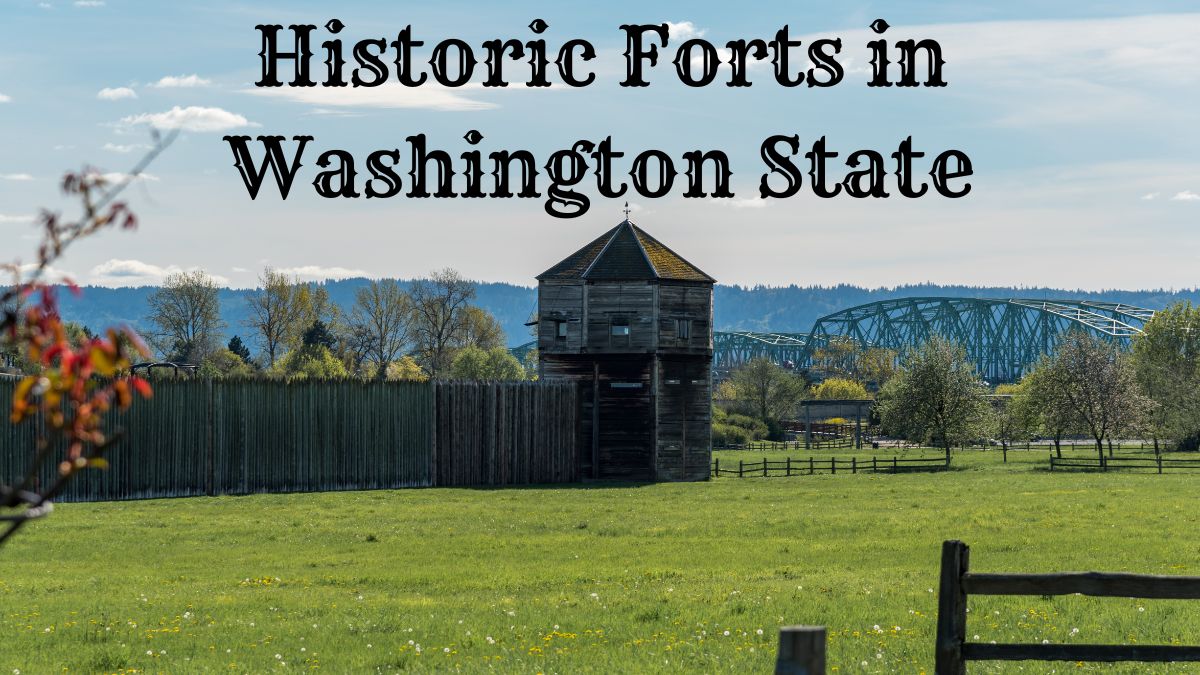
Washington State, a scenic tableau of diverse landscapes and cultural richness, is also a land deeply steeped in history. Its storied past is dramatically etched into its soil and retold through the remaining bastions of a bygone era – the historic forts.
In this article, we embark on a journey through time, exploring the monumental forts of Washington State that stand as silent, stalwart sentinels of the past.
From the once-bustling trade hub at Fort Nisqually to the coastal defense batteries of Fort Casey, each of these fascinating landmarks tells its own chapter in the chronicle of America’s westward expansion, military strategies, and diplomacy.
Immerse yourself in these enchanting narratives of heroism, conflict, innovation, and resilience as we unveil the captivating history and architectural marvels of Washington’s majestic forts.
Historic Forts in Washington State
Washington is home to numerous historic forts, some dating back to the late 1800s.
These military installations have played significant roles in various conflicts and are reminders of Washington State’s strategic importance throughout history.
The Triangle of Fire: Fort Flagler, Fort Worden, and Fort Casey
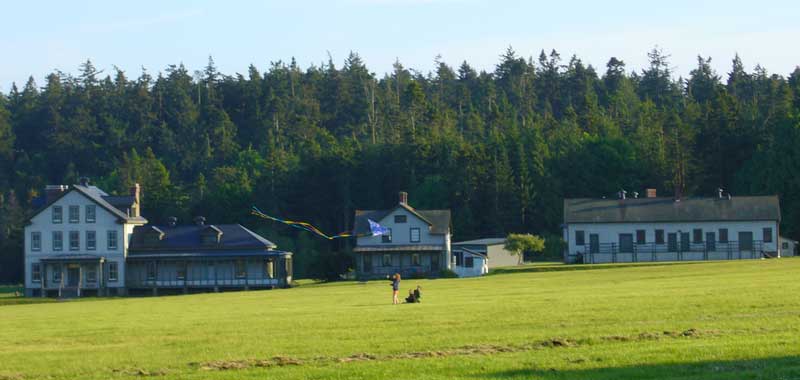
Established in the late 1800s, Fort Flagler, situated on Marrowstone Island, alongside Fort Worden in Port Townsend and Fort Casey on Whidbey Island, form the renowned Triangle of Fire.
These coastal defenses were conceived to guard the strategic Admiralty Inlet during the early 20th century. Numerous original structures and gun emplacements from these forts still stand today and can be visited as part of the Washington State Parks system.
Columbia River Forts: Fort Canby and Fort Columbia
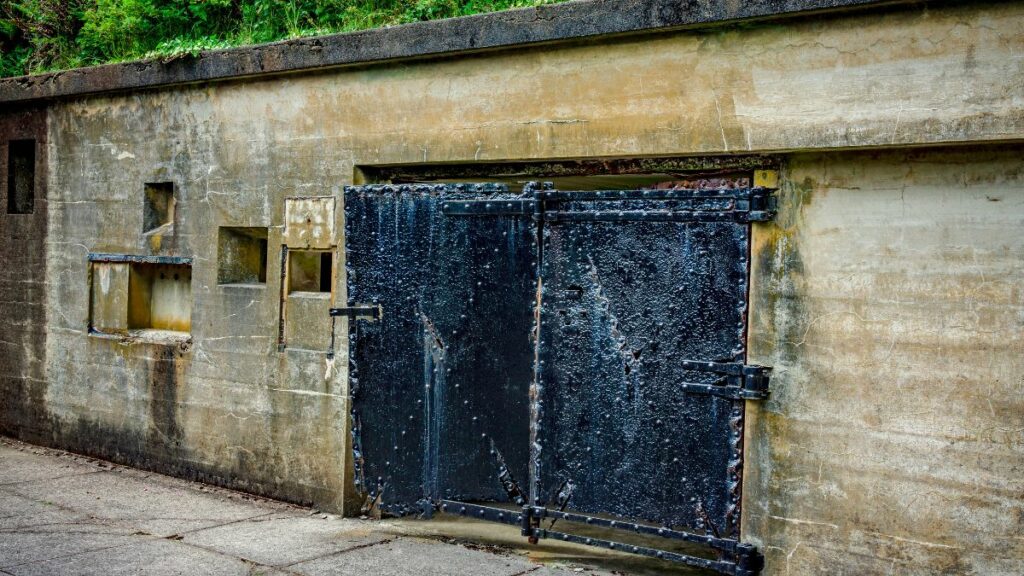
At the mouth of the Columbia River, Washington’s Fort Columbia and Fort Canby worked alongside Oregon’s Fort Stevens to defend the river entrance.
These military reservations were purposed to shield the Pacific Northwest from potential sea invasions during World War II.
Fort Canby, now part of Cape Disappointment State Park.
Fort Stevens, with origins dating back to the Civil War, was later equipped with modern coastal gun batteries and even came under attack from a Japanese submarine during World War II.
These forts are often equipped with interpretive centers where visitors can delve into their history and discover historic buildings.
Forts of the Puget Sound: Fort Ebey, Fort Lawton, and Fort Nisqually
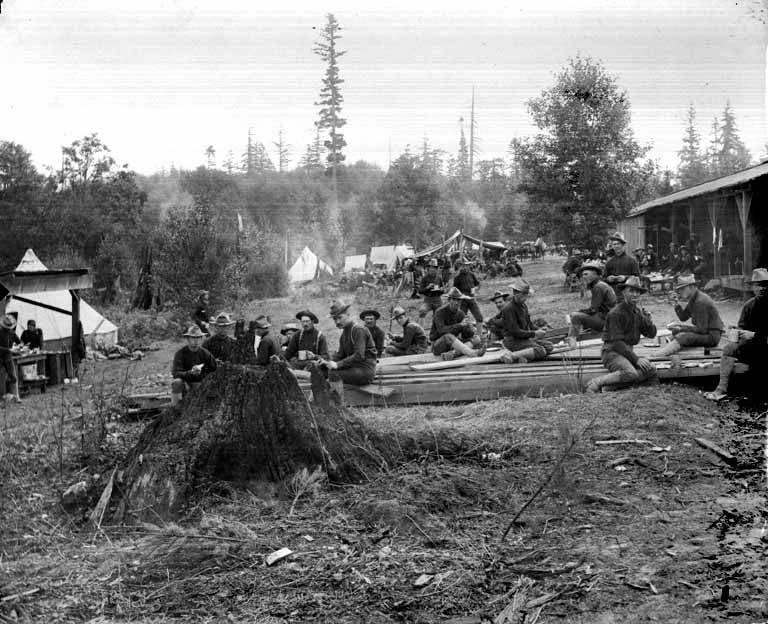
In the Puget Sound region, you’ll find essential forts such as Fort Ebey, Fort Lawton, and Fort Nisqually. Fort Ebey’s military batteries were constructed during World War II as part of the Harbor Defenses of Puget Sound.
Fort Lawton, established in 1900, served as a major military post during the 20th century, including both World Wars.
Fort Nisqually, constructed by Hudson’s Bay Company traders, has been transformed into a history museum, giving visitors an authentic glimpse into mid-19th-century life in the Pacific Northwest.
Historic Landmark: Fort Vancouver
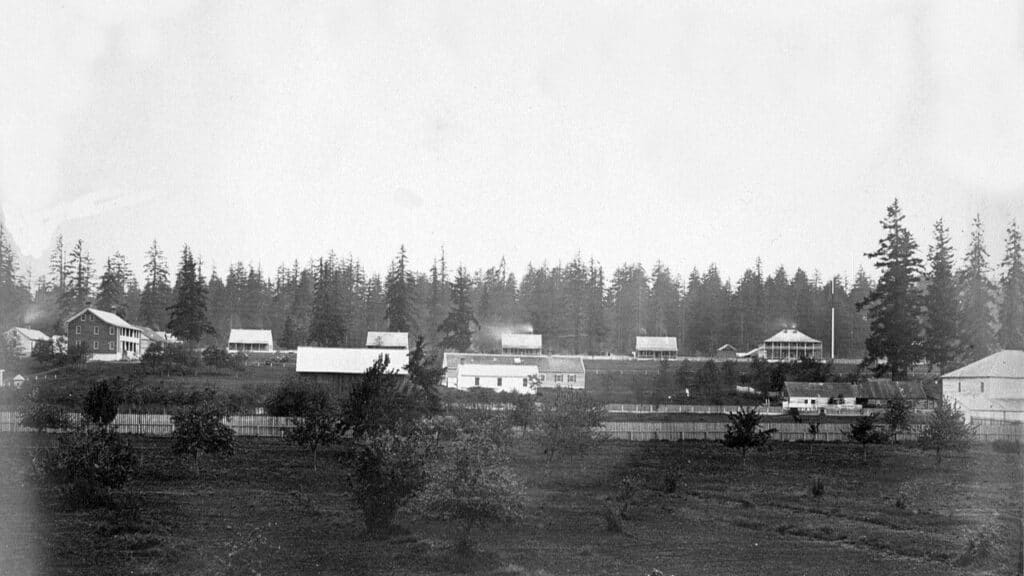
Fort Vancouver, a National Historic Landmark, boasts a rich history, from its inception as a Hudson’s Bay Company fur-trading post to its role on the Oregon Trail and as a military installation.
It features reconstructed buildings, including a blacksmith shop, stockade, gardens, and interpretive exhibits.
Many of these forts belong to the National Register of Historic Places, offering a range of experiences for visitors interested in historic preservation and regional military history.
Exploring Washington’s Military History
Visiting these historic forts provides a unique lens into the Pacific Northwest’s rich military history.
These sites offer a captivating peek into the past, from strategic coastal defenses along the Strait of Juan de Fuca and Admiralty Inlet to the Oregon Trail and fur trading posts inland.
Whether it’s marveling at artillery pieces and coastal gun batteries or meandering through preserved historic buildings, these forts are an integral part of the intricate tapestry that is Washington’s history.
Related: Historic Forts in Maine
Fort Casey State Park
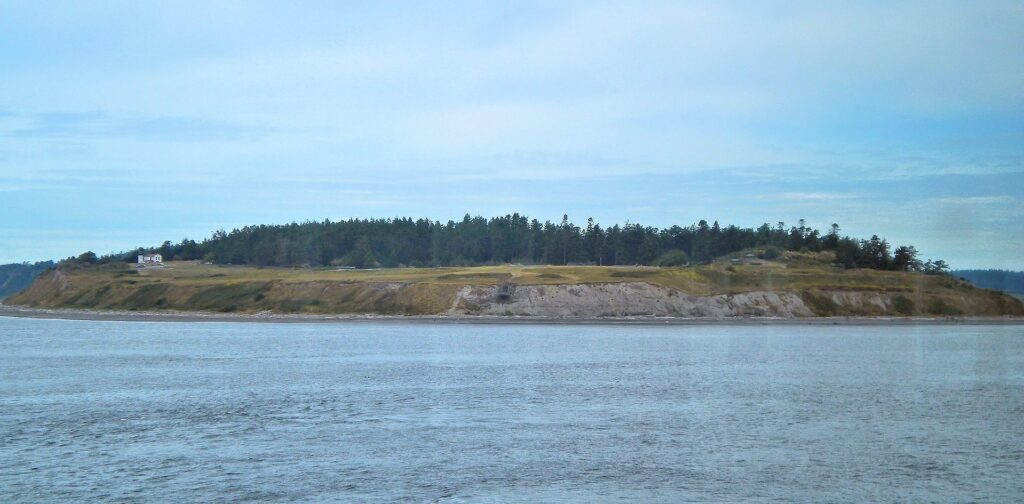
Fort Casey, located on scenic Whidbey Island, is a historic military fort and a Washington State Park. The fort was built in the late 1800s as part of the “Triangle of Fire,” along with Fort Flagler and Fort Worden, as a critical component for the defense of Puget Sound.
The Fort Casey Historical State Park covers over 400 acres and is part of the more extensive Admiralty Inlet defense system. Visitors can explore historic buildings, gun emplacements, and military installations inside the park.
One key attraction is the Interpretive Center, which provides insights into Fort Casey’s history and its role in the national defense during World War II.
Visitors to the park are required to have a Discover Pass, which grants access to all Washington State Parks. Fort Casey State Park is famous for its military roots and offers recreational opportunities such as camping, hiking, and birdwatching.
Whidbey Island Surroundings
Whidbey Island, located in the Pacific Northwest, is the largest island in Washington State. The island’s history is rich, dating back to its interactions with Native American tribes, European explorers, and the Hudson’s Bay Company.
Whidbey Island is home to several other historic sites besides Fort Casey. Fort Ebey was built during World War II and played a vital role in the Harbor Defense Command.
Another historic site is the Coupeville area, with numerous buildings listed on the National Register of Historic Places.
Whidbey Island and Fort Casey visitors can also enjoy the Puget Sound region’s stunning surroundings and natural beauty.
Nearby destinations include Port Townsend, San Juan Island, and Bainbridge Island, which offer additional opportunities to explore historic sites and enjoy outdoor activities.
Related: 11 Historic Forts in West Virginia
Port Townsend Fort Complex
Fort Worden
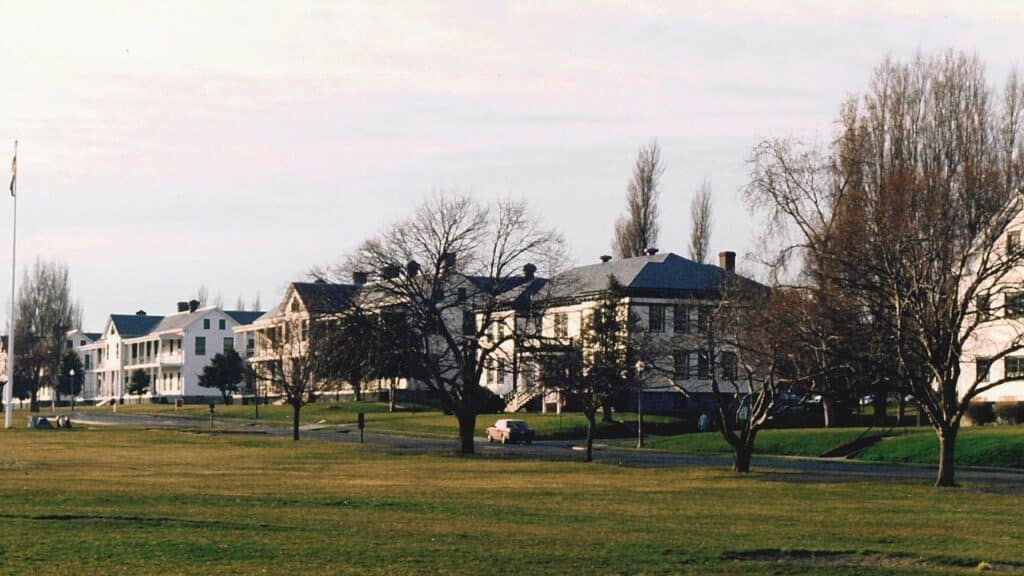
Fort Worden, located in Port Townsend, Washington, is a historic military fort in the Triangle of Fire, which also includes Fort Casey and Fort Flagler.
The fort, built in the late 1800s, was one of the primary defenses of the mouth of Puget Sound and the U.S. Army’s harbor defense command during World War II.
Today, it serves as Fort Worden State Park, managed by Washington State Parks.
This military fort features numerous historic buildings, gun emplacements, and interpretive centers for visitors to explore.
In addition to the rich military history, the park offers recreational opportunities like hiking, camping, and other outdoor activities. The nearby Point Wilson Lighthouse guides ships entering Admiralty Inlet and the Strait of Juan de Fuca.
Fort Townsend
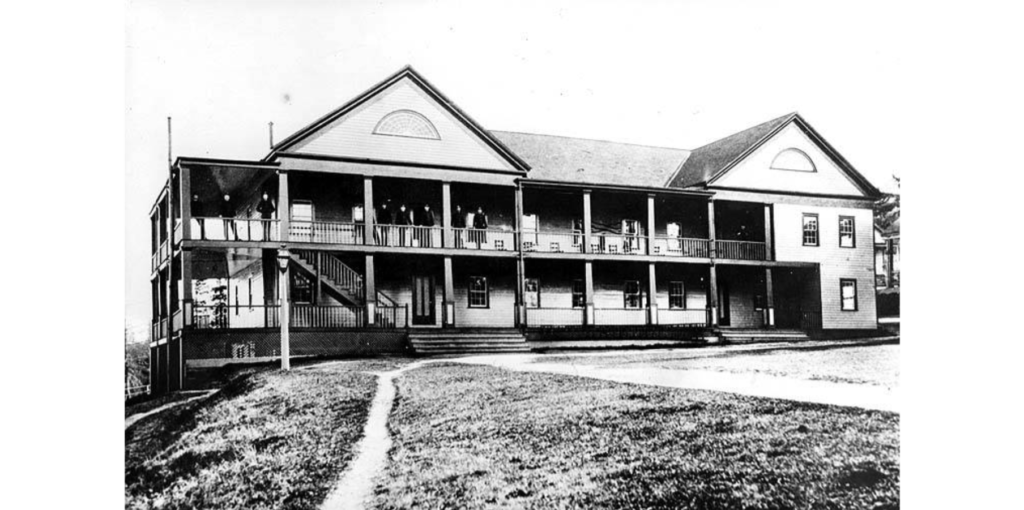
Fort Townsend, located on the Olympic Peninsula just south of Port Townsend, Washington, was established in the mid-1800s as a military reservation and base to protect the northern entrance to Puget Sound.
The original fort was abandoned in 1895. During World War II, nearby lands were used for military purposes, though the historic fort itself was no longer active.
It is a Washington State Park with historical buildings, interpretive trails, and camping facilities.
Artillery Hill
Within Fort Worden State Park, Artillery Hill features the remnants of the fort’s gun emplacements, anti-aircraft guns, and other military installations.
This spot offers visitors a glimpse into the fort’s past defensive operations, including its role during World War II and its place within the larger Triangle of Fire.
Artillery Hill also offers impressive views of Port Townsend, Whidbey Island, and the surrounding Puget Sound region.
Point Wilson Lighthouse
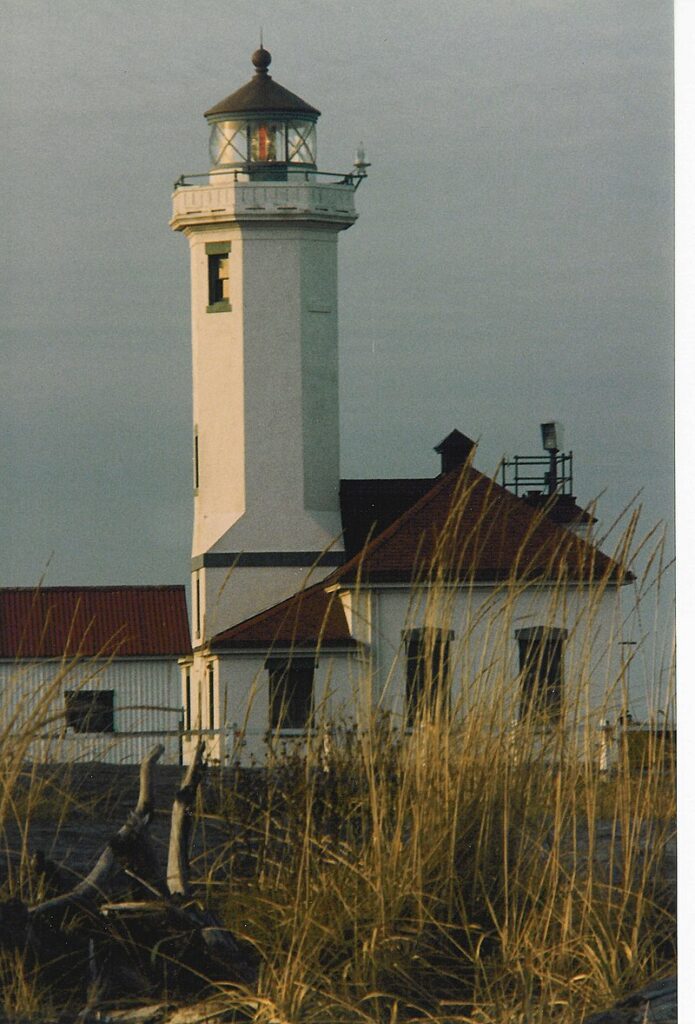
The Point Wilson Lighthouse is situated on Fort Worden State Park grounds. The lighthouse helped guide vessels entering Puget Sound through Admiralty Inlet.
Established in the late 1800s, the lighthouse has played a significant role in maritime safety for over a century.
It is listed on the National Register of Historic Places and remains an important landmark within Fort Worden State Park.
Puget Sound Military Forts
Fort Flagler

Fort Flagler, located on Marrowstone Island in Washington State, played a significant role in the defense of the Puget Sound region. Established in the late 1800s, it was part of the “Triangle of Fire,.”
The military reservation featured several gun emplacements and artillery pieces, some of which are still visible at Fort Flagler State Park.
The park offers an interpretive center where visitors can learn about the fort’s history and the military personnel.
During World War II, Fort Flagler was used to train anti-aircraft gun crews and served as a treatment center.
Visitors to Fort Flagler State Park can explore the historic buildings that once served as barracks, a mess hall, and a powerhouse.
Fort Flagler State Park is part of the Washington State Parks system, and a Discover Pass is required for vehicle access. It also features conference center facilities, which are available for rent.
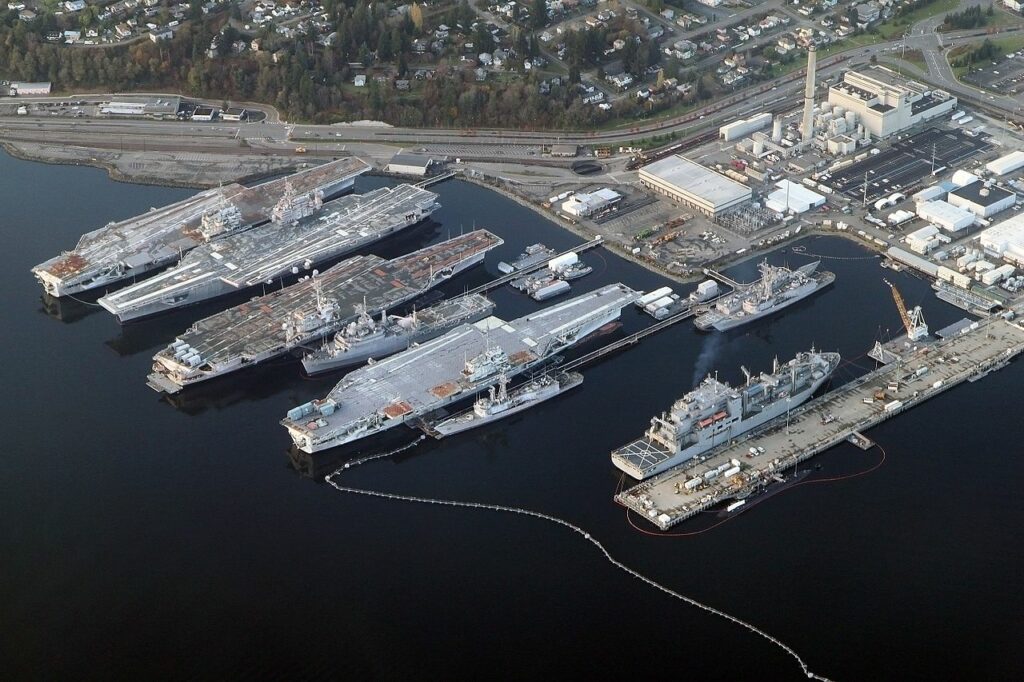
The Puget Sound Naval Shipyard in Bremerton is a historic military installation with deep roots in the Pacific Northwest’s maritime history.
Founded in the early 1900s, the shipyard has been vital to the U.S. Navy’s operations and maintenance of its ships.
Over the years, the shipyard has repaired and refurbished various types of vessels, including those used during World War II. The shipyard specializes in the maintenance, modernization, and overhaul of Navy vessels.
It has also served as a hub for innovations in naval technology and shipbuilding.
The shipyard has been listed on the National Register of Historic Places, acknowledging its significance as a historic military post.
Its strategic location near the Strait of Juan de Fuca and the Pacific Ocean has made it an essential asset to the U.S. Navy and the defense of the Puget Sound region.
Today, the Puget Sound Naval Shipyard continues to serve an essential role in maintaining and repairing the Navy’s fleet while also being a major employer in the area.
Inland Historic Forts in Washington State
Fort Simcoe
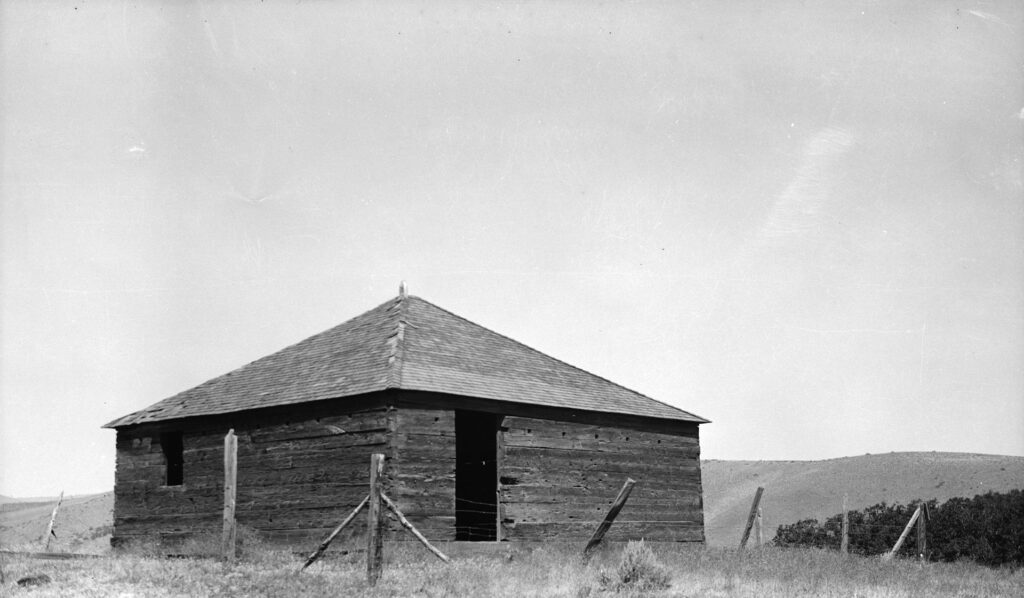
Fort Simcoe, located in Washington’s Yakima Valley, was a military post during the mid-1800s. Established by the U.S. Army, it significantly controlled Native American tribes in the region.
Fort Simcoe is a Washington State Historic Park managed by the Washington State Historical Society. Allowing visitors to explore original structures, including the officers’ quarters, a blacksmith shop, and an interpretive center.
Fort Walla Walla
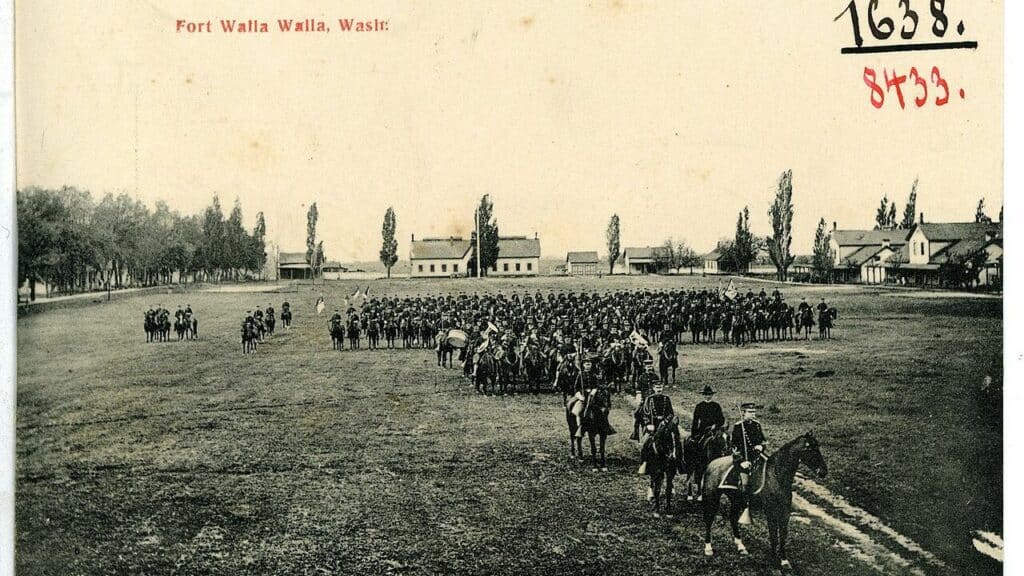
Fort Walla Walla was an important military post in the late 1800s during the settlement of the Washington Territory. Situated at the junction of the Oregon Trail, it provided crucial protection to pioneers and traders.
Today, Fort Walla Walla Museum houses historic buildings, including military quarters and a mess hall, giving insight into the life and times of the fort’s inhabitants.
Blockhouses of Olympia
The blockhouses of Olympia embody the military presence in the region during the 19th century.
Constructed during the Indian War, these fortified structures served as defensive posts and played a significant role in the area’s development. Some of these well-preserved blockhouses are near the state capital, Olympia.
Fort Steilacoom
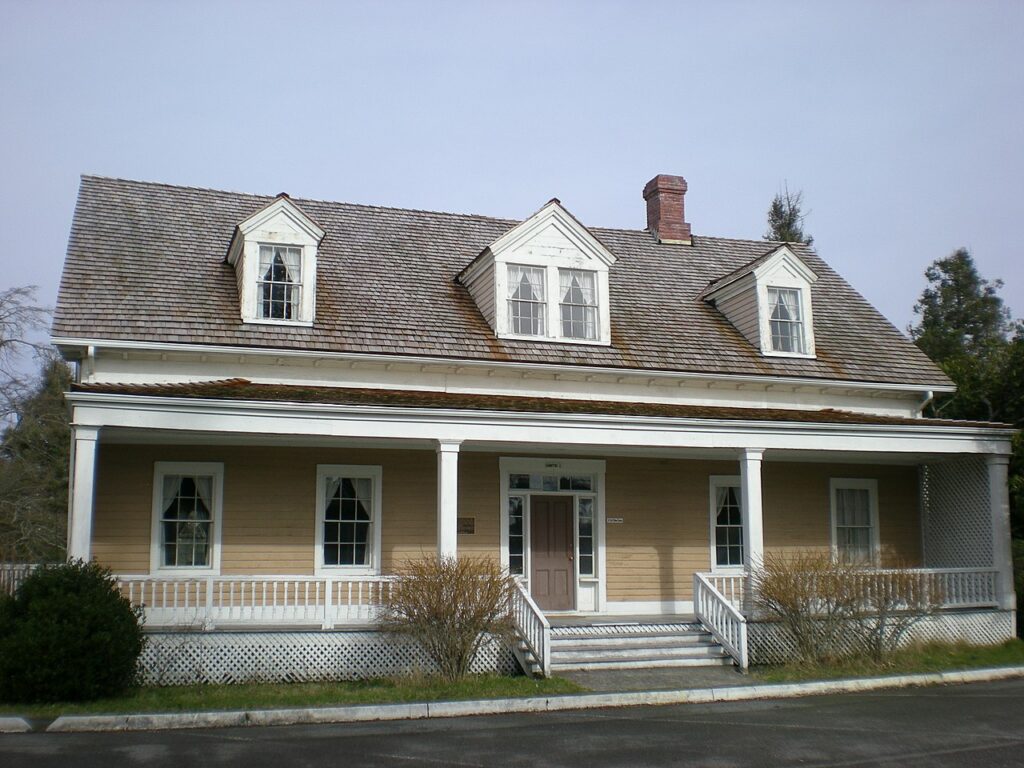
Situated in Lakewood, Fort Steilacoom is among the oldest military installations in Pierce County.
Established by the U.S. Army in 1849, it was crucial in maintaining peace and order during the conflict between settlers and Native American tribes.
Today, Fort Steilacoom Park comprises historic buildings, walking trails, and an interpretive trail that sheds light on the fort’s past.
Fort Bellingham
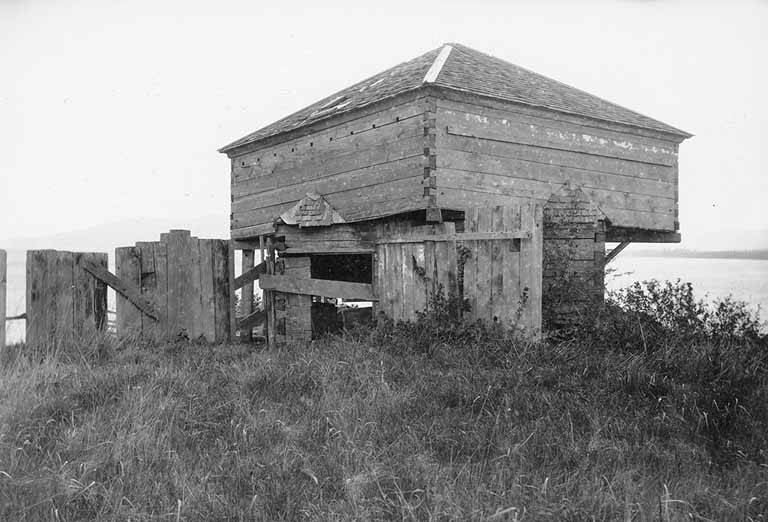
Located in Washington State’s northwest corner, Fort Bellingham is a lesser-known fort that played a crucial role in the mid-1800s.
It was established during the border dispute between British and American forces and served as a U.S. Army outpost. Today, a monument at the site pays tribute to the fort’s historical significance in the region.
Fort Simcoe and Fort Bellingham, along with other historic forts of Washington State, represent the richness of the region’s military history.
The Pacific Northwest’s strategic coastline and Puget Sound region have seen numerous military installations established over the centuries, guarding the state against potential threats.
These forts, some of which are now preserved by the Washington State Parks and the National Park Service, showcase the grit and resilience of the soldiers who inhabited them and the importance of military fortifications in shaping American history.
River-Front Forts
Fort Columbia
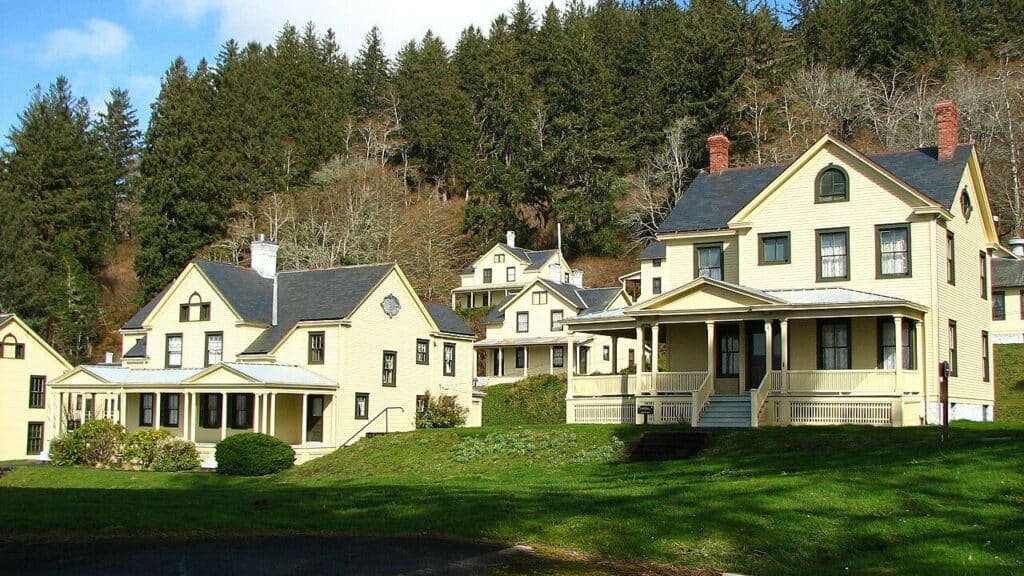
Fort Columbia is located in the Chinook Point region of Washington State, near the mouth of the Columbia River. Constructed in the late 1800s, it served as a military installation and observation point for the U.S. Army, protecting the region from potential naval threats.
The fort is now a part of Washington State Parks and is listed on the National Register of Historic Places.
Preserving its historic buildings and military structures, visitors can explore the arsenal, gun emplacements, and interpretive center that showcase the fort’s role in history.
Fort Columbia also served as a defensive military post during World War II, showcasing anti-aircraft guns and coastal gun batteries.
Fort Vancouver
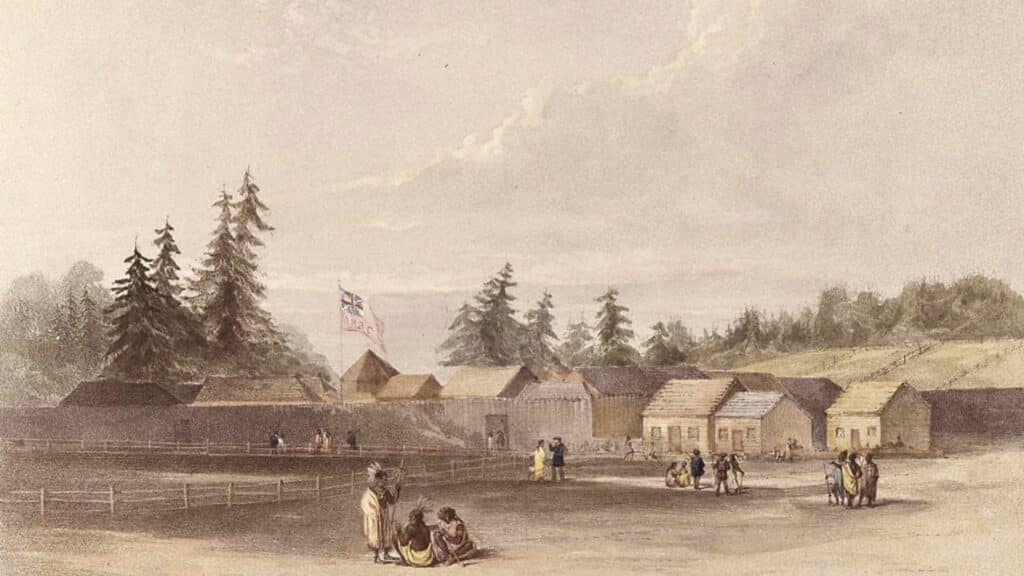
Established in the early 19th century, Fort Vancouver is a significant military base and trading post in the Pacific Northwest region. Initially built by Hudson’s Bay Company, it later became an administrative unit for the Oregon Territory and was occupied by the U.S. Army.
During the Civil War era, the post served as an important military headquarters and supply center in the Pacific Northwest.
Fort Vancouver is known for its vast historic buildings, including a blacksmith shop, a treatment center, and mess halls. Among the well-preserved original structures are artillery pieces, which served various military purposes. This fort is also a National Historic Landmark.
The exploration by Lewis and Clark spurred further development in the Pacific Northwest, particularly along the Columbia River.
The military fortifications at Fort Vancouver and Fort Columbia provided support and security to this growing region, with strategic access to the Columbia River and Oregon Trail.
Fort Steilacoom, Fort Stevens, Fort Nisqually, and Fort Colville were vital military posts in the Washington Territory during the late 1800s.
Washington State Parks operates many sites today, including Fort Columbia State Park. Most Washington State Park fort sites require a Discover Pass for vehicle access.”
Other Historic Locations in Washington State
Marrowstone Island
Marrowstone Island is home to Fort Flagler, a historic military fort established in the late 1800s.
Part of the “Triangle of Fire,” Fort Flagler, along with Fort Worden and Fort Casey, was built to protect the Puget Sound region from potential naval invasion.
The island features gun emplacements, historic buildings, and an interpretive center maintained by Washington State Parks.
Fort Flagler also served as a World War II-era training facility and now offers a range of recreational activities and accommodations for visitors.
Bainbridge Island
Located in Puget Sound, Bainbridge Island was once the site of a military post during the Civil War.
In the 20th century, it was home to a portion of the U.S. Army’s harbor defense command, and several coastal gun batteries were constructed on it.
Juan De Fuca
The Strait of Juan De Fuca is a critical waterway leading to the Puget Sound region and is protected by several historic military forts. Fort Canby, Fort Stevens, and Fort Ebey played crucial roles in defending the Pacific Northwest.
These forts featured massive gun emplacements designed to deter potential naval adversaries from entering the strait, thus protecting the harbors and cities of Seattle and Tacoma.
Fort Núñez Gaona
Fort Núñez Gaona was built by the Spanish in 1792 near Neah Bay as a defense against potential invasion from the Pacific Ocean. The fort only survived a few months.
The site of the old fort is now Fort Núñez Gaonais-Diah Veterans Park, a memorial to veterans who served in World War I and subsequent wars.
Related: 15 Historic Forts of Wyoming
Cultural Significance of Forts in Washington State
Native American Influence
Historic forts in Washington State, such as Fort Flagler, Fort Worden, and Fort Stevens, have deep connections to the Native American tribes of the Pacific Northwest, including the Yakama Indian Reservation.
These forts and military reservations were often established near areas that Native Americans had long inhabited. As a result, their culture played a significant role in shaping the forts’ histories.
Many forts were built on land that indigenous people had occupied for centuries. As these tribes were displaced or integrated into American society, they often worked alongside settlers and the military in the ongoing development of these military installations.
The Bureau of Indian Affairs played a role in administering some of these regions in tandem with military authorities, forging a shared history between Native Americans, settlers, and the forts themselves.
Impact on Settlement
The construction of forts in Washington State, such as Fort Vancouver, Fort Colville, and Fort Nisqually, profoundly impacted the region’s settlement.
Forts often served as trading posts and places of refuge for pioneers making the arduous journey west along the Oregon Trail.
Settlers were attracted to the forts’ strategic locations along the Columbia River, Puget Sound, and the Pacific Ocean and the protection offered by the military powers stationed there.
The presence of the Hudson’s Bay Company further encouraged settlement in the area.
As the forts expanded their reach, land was designated for military purposes, and their development greatly influenced the spread of settlements throughout the Pacific Northwest during the late 1800s.
World War II
With the outbreak of World War II, the importance of Washington State’s historic forts was heightened.
Forts such as Fort Ebey, Fort Casey Historical State Park, and Fort Columbia State Park were integral to the defense of the United States Pacific Coast, particularly in the strategic region of Puget Sound.
Gun emplacements, such as those at Fort Worden and Fort Flagler, became part of a larger harbor defense system, sometimes called the “Triangle of Fire,” which was crucial in defending against potential enemy threats from the Pacific Ocean.
During this time, many forts saw the addition of coastal gun batteries, anti-aircraft guns, and support facilities, such as the Puget Sound Naval Shipyard.
These forts also served as training grounds and treatment centers for military personnel throughout the conflict, helping to secure the safety of cities like Seattle and other strategic locations along the West Coast.
The legacy of World War II military installations can still be seen today in the various artillery and interpretive centers within Washington State Parks.
The rich and multifaceted history of Washington State’s historic forts showcases the deep impact of native cultures, settlement patterns, and military defense strategies that continue to influence the region today.
Frequently Asked Questions
What are the main historic forts in Washington State?
Washington has several historic forts, including Fort Flagler, Fort Worden, Fort Ebey, Fort Casey, and Fort Columbia. Many of these forts were established as part of the ‘Triangle of Fire’ coastal defense system in the early 20th century and continued to serve during World War II.
Which fort is considered the oldest in Washington State?
Fort Vancouver, established by the Hudson’s Bay Company in 1825, is among Washington’s oldest historic sites. It later became a major U.S. Army post.
Are there any abandoned military bases in Washington State?
While some military installations, such as the Puget Sound Naval Shipyard, remain active, others, like Fort Colville and Fort Spokane, have been decommissioned or repurposed over time.
What is the significance of forts like Fort Casey and Fort Worden?
Forts Casey and Worden, as well as Fort Flagler, were integral to the harbor defense of Puget Sound in the late 1800s and early 1900s. Positioned strategically near the Admiralty Inlet and the entrance to the Strait of Juan de Fuca, these forts protected important cities such as Seattle and Tacoma from potential naval attacks.
How do the historic forts in Washington State compare to those in Oregon?
Washington State’s forts, such as Fort Casey and Fort Worden, were primarily involved in coastal defense and harbor protection. At the same time, Oregon’s Fort Stevens was designed to guard the mouth of the Columbia River. Both states have historic forts that are now part of their respective state parks systems or maintained by the National Park Service.
What role did forts play in Washington State’s history?
Historic forts in Washington State served various purposes, from military posts during conflicts with Native American tribes and the Indian War, to harbor defense during World War II. Many also played a role in the treatment and rehabilitation of soldiers or served as training facilities for anti-aircraft guns and other artillery. The preservation and adaptation of these sites by Washington State Parks, the National Register of Historic Places, and other organizations help to safeguard and share this vital aspect of the state’s history.

Cory is a website owner and content creator who enjoys fishing, history, coin collecting, and sports, among other hobbies. He is a husband and father of four.
Romans 15:4 For whatever was written in former days was written for our instruction, that through endurance and through the encouragement of the Scriptures we might have hope.
I really love the concept of what you have done here, but there are some huge discrepancies. I live here in WA and especially since Covid, I have been doing all I can to find and visit most of these sites. Here are a few points I found wrong: Fort Spokane is in eastern Washington and not a Coastal Fort. Been there twice and it is a long way from Puget Sound and the Pacific. The Straits of Juan de Fuca and Puget Sound are home to Fort Casey, Flagler and Ebey that list in one place correctly, but wrong in others. The three Coastal Forts are Canby, Columbia and Stevens which you have correctly and then off in other sections. Battery Revere is part of Fort Flagler (a place I have yet to visit, but will after the new VC is built this year) on Marrowstone Island, not Bainbridge. Fort Ward is on Bainbridge Island. You mention a monument to Fort Bellingham, built by the 9th Infantry under CPT George Pickett, but I have never seen such a thing and I doubt it exists. Pickett’s house still exists in Bellingham and I have seen it many times. The Puget Sound Naval Station is in Bremerton, not Bainbridge Island. I drive by it once a month. Lastly, Whidbey Island is home to Fort Casey and Fort Ebey, but also to four 1850’s Blockhouses that are in very good shape for being 175+ years old. I hope this helps your work and keep it up. This is a good site and it can only get better. Would be very happy to help you if needed.
Thank you Michael for making the suggestions. I have since updated the article to reflex the correct history of these forts.