
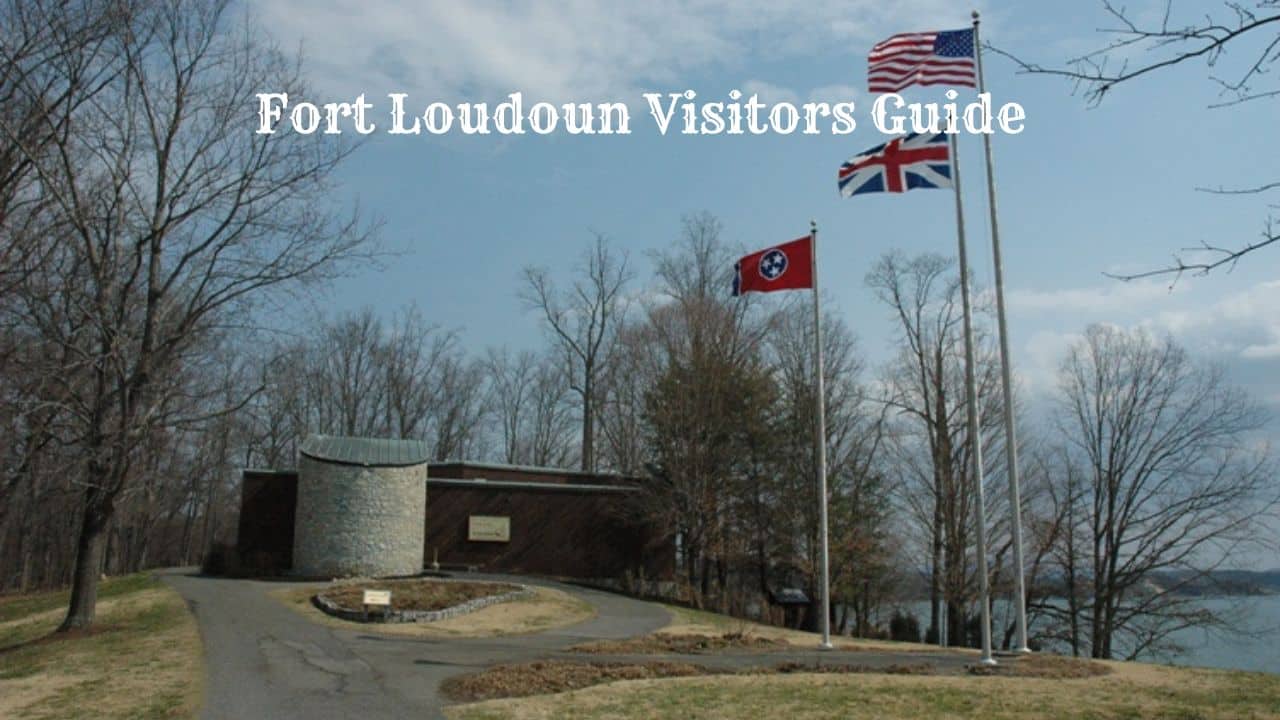
Fort Loudoun State Historic Park sits beside Tellico Lake in eastern Tennessee, about 30 miles south of Knoxville.
This 1,200-acre park preserves the site of one of the earliest British forts on the western frontier, first built in 1756 during the French and Indian War.
The park features a reconstructed 18th-century fort and a museum with exhibits about colonial life. You’ll also find miles of trails with views of the Appalachian Mountains.
You can watch living history demonstrations, fish from the pier, or wander the same grounds where British soldiers lived and traded with the Cherokee Nation.
There’s a good mix of things to do, whether you’re into colonial history, outdoor recreation, or just looking for a day trip near Knoxville.
This guide covers what you need before visiting, from the fort’s backstory to practical planning tips.
BOOK YOUR TRIP TO FORT LOUDOUN HERE
Fort Loudoun Visitor Information
Fort Loudoun State Historic Park opens daily from 8 am until sunset, Eastern Standard Time. The park only closes on Christmas Day.
The Museum and Visitor Center runs from 8 am to 4:30 pm every day. The park covers 853 acres along Tellico Lake, about 37 miles south of Knoxville, in Vonore, Tennessee (coordinates 35.581634, -84.195509).
Available Activities:
- Explore the reconstructed British fort
- Hike scenic trails
- Fish from the bank or fishing pier
- Kayak and boat on Tellico Lake
- Picnic with lake views
- Birdwatch in varied habitats
- Attend living history programs and reenactments
The Visitor’s Center offers rentals from 8 am to 4:30 pm, except during garrison weekends and special events. You can watch a 15-minute film about the area’s history and check out artifacts in the Interpretive Center.
The park hosts monthly programs and seasonal events. Christmas at Fort Loudoun is a favorite. Living history reenactments take place regularly, with interpreters demonstrating daily life of the French and Indian War era.
Camping is available at the park, and there are more lodging options nearby. The park’s location on Tellico Lake offers great opportunities for bass and catfish fishing.
BOOK YOUR TRIP TO FORT LOUDOUN HERE
The History of Fort Loudoun
Fort Loudoun was established in 1756 during the French and Indian War. South Carolina sent the Independent Company of South Carolina to build the fort as a response to French moves in the Mississippi Valley.
The fort had two main goals:
- Forge an alliance with the Overhill Cherokee Nation against the French
- Keep trade going between the Cherokee and South Carolina
They named the fort after John Campbell, the fourth Earl of Loudoun. It became one of the earliest British fortifications on the western frontier.
During its four years, relations between South Carolina and the Cherokee fell apart. In August 1760, the Cherokee captured Fort Loudoun and its garrison. The Cherokee probably destroyed the fort shortly after the English surrendered and left.
Lieutenant Henry Timberlake visited in 1762 and found only ruins. Nature reclaimed the abandoned site for over 150 years. The Colonial Dames of America put up a marker in 1917.
The Tennessee General Assembly bought the land in 1933 and created the Fort Loudoun Association to manage it. Workers reconstructed the fort during the Great Depression.
You can visit this reconstruction today, which sits on 17 feet of backfill to keep it above the water level of Tellico Lake, created in 1979. The fort became a National Historic Landmark in 1965. Tennessee State Parks took over management in 1977.
Notable Sights at the Fort
Fort Loudoun State Historic Park showcases a fully reconstructed British fort on the original site where colonial soldiers once served.
The main attractions include the fort’s defensive structures, living quarters, and an interpretive center with artifacts from the French and Indian War era.
The Reconstructed British Fort
The fort you see now is a reconstruction of the original 1756 fortification. Built during the Great Depression and named a National Historic Landmark in 1965, it recreates one of the earliest British military posts on the western frontier.
The reconstruction sits exactly where British soldiers built the original fort. You can walk through the same grounds where colonial troops lived and worked more than 250 years ago.
The fort’s spot on Tellico Lake gives you the same mountain views soldiers would’ve seen.
Barracks and Officers’ Quarters
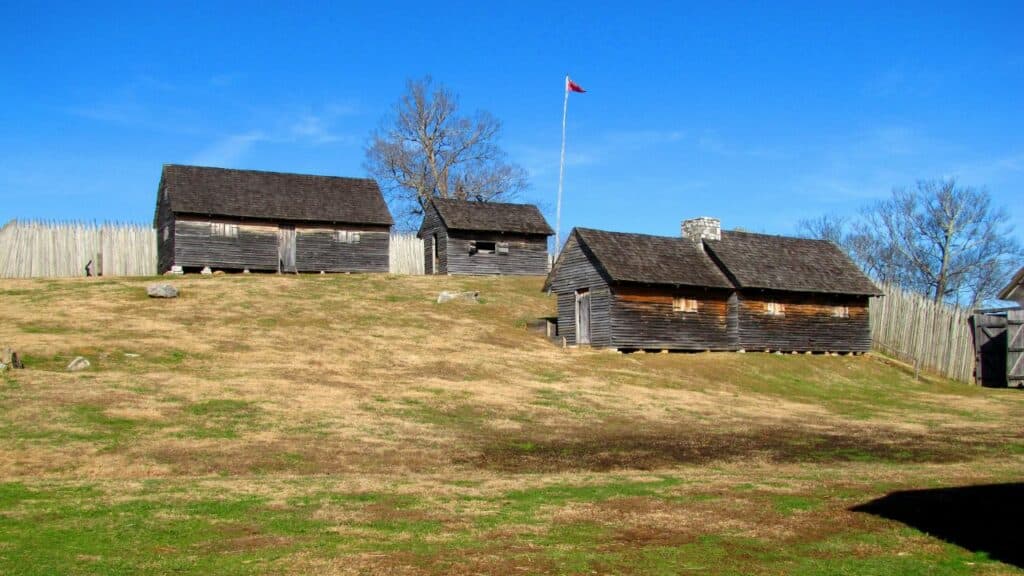
Inside the fort walls, you’ll find reconstructed buildings that show how soldiers of different ranks lived. The barracks crammed enlisted men together with basic bunks and little personal space.
The officers’ quarters, in contrast, have separate rooms and better furnishings.
These buildings make the strict class divisions of 18th-century military life pretty clear. You can step inside to see period furniture, cooking gear, and personal items soldiers used every day.
Defensive Walls and Blockhouses
The fort’s defenses include wooden palisade walls and corner blockhouses. These structures protected soldiers from potential attacks during tense times on the frontier.
Blockhouses at each corner gave soldiers higher ground to watch for threats. You can climb into these buildings and get a sense of their importance.
The palisade walls, built from sharpened logs, formed the main barrier and enclosed about one acre of land.
Visitor Center and Museum
The interpretive center is the best place to start your visit. Inside, you’ll find exhibits with items excavated during the fort’s reconstruction—military gear, personal belongings, and Native American artifacts.
A short film gives you background on the fort’s history and its role in the French and Indian War.
The museum displays explain how British soldiers, Cherokee allies, and French forces interacted. You can check out authentic artifacts that bring daily life at this remote outpost into focus.
Living History Programs and Special Events
The park puts on reenactments and programs that bring the 18th century to life. During garrison weekends, interpreters dress in period clothing and show off military drills, cooking, and crafts from the colonial era.
You can talk with these interpreters to learn about soldier routines, weapons, and survival skills. Special battlefield reenactments recreate historical events at the site. These programs run all year and offer hands-on experiences for all ages.
Recommended Reading: 21 Historic Forts of Tennessee
Outdoor Activities and Experiences
Fort Loudoun State Historic Park covers 1,200 acres along Tellico Lake. There’s plenty to do outside during your visit.
Water Activities
The park gives you access to Tellico Lake for water fun. Go kayaking, fishing, or boating on the calm water. Bass and catfish are common, and you can fish from the bank or the big fishing pier.
Hiking Trails
There are three day-use hiking trails open from 8 AM to sunset:
- Ridgetop Loop Trail – 1.5 miles, with views of mountains and valley
- Meadow Loop Trail – 2.25 miles through open fields
- Lost Shoe Loop – 0.5 miles, the shortest option
The trails range from easy to moderately hard. They’re family-friendly and good for casual hiking.
Wildlife Watching
The park’s mix of woods and fields attracts birds. You might spot Great Blue Herons, Loons, Hawks, Canada Geese, or even Bald Eagles. The native grass fields bring in quail and other birds that like open spaces.
Picnicking
You can have a picnic with views of the lake and the Appalachian Mountains. It’s a peaceful spot for a family lunch or just a break outdoors.
The park’s location on Tellico Lake means you’ll have scenic views all day. All trails and outdoor areas are for day use only.
Is It Worth Visiting?
Fort Loudoun State Historic Park offers enough variety to appeal to all kinds of visitors. History buffs will love the reconstructed 18th-century British fort and the programs that bring the French and Indian War era to life.
The park spans 853 acres along Tellico Lake. You can explore the fort, walk scenic trails, fish from the pier or shore, and enjoy picnic areas with lake views. It’s a place where you get both historical education and outdoor recreation in one trip.
What makes the park stand out:
- A full-scale reconstruction of a 1756 British fort
- Living history programs with costumed interpreters
- Access to Tellico Lake for kayaking, fishing, and boating
- Multiple hiking trails through different terrain
- Free admission to the park grounds
The interpretive center displays artifacts found during the fort’s reconstruction. You can watch a short film about the site’s history before exploring the grounds. During special garrison weekends, reenactors show what daily life at the fort was like.
Families find the park educational for kids without being overwhelming. The hands-on living history programs keep younger visitors engaged. Birders can spot Great Blue Herons, Bald Eagles, and other migratory birds in the park’s forests and fields.
The park works as a half-day or full-day trip. It’s just 37 miles south of Knoxville, so it’s easy for a quick outing. Whether you’re into colonial history, outdoor activities, or both, the park delivers a worthwhile experience.
Tips for a Successful Visit
Try to arrive early to make the most of your visit. The grounds open at dawn and close at dusk, giving you plenty of daylight to explore.
Check the park’s event schedule before you go. The fort’s interior and visitor center open during special events. Living history programs and reenactments happen monthly and add a lot to the experience.
What to Bring:
- Comfortable walking shoes for the trails
- Sunscreen and a hat
- Water bottles
- Fishing gear if you want to fish
- Binoculars for birdwatching
- Kayak or paddleboard for the lake
The park sits on Tellico Lake, so dress for water and outdoor activities. Summer can get hot, so wear light, breathable clothes.
Bring a picnic lunch to eat at one of the scenic spots overlooking the lake. The park has beautiful views of the Appalachian Mountains.
Give yourself at least three to four hours to tour the fort, walk the trails, and check out the lakefront. You’ll want more time if you plan to fish, boat, or join a living history program.
Download a park map before you arrive or pick one up at the visitor center during events. The 1,200-acre park has several trails and points of interest—it’s easier with a map in hand.
Nearby Attractions
Fort Loudoun State Historic Park sits just 37 miles from Knoxville. That makes it easy to check out other spots nearby.
You can visit the Sequoyah Birthplace Museum, which is pretty close to the park. It tells the story of the Cherokee scholar who created the Cherokee syllabary.
The Lost Sea Adventure offers a unique experience about 30 miles away. You can tour America’s largest underground lake and hear about its geological history.
The cave system stays at a comfortable temperature year-round. Honestly, that’s a nice perk if you hate sweating or freezing.
Popular Nearby Destinations:
- Cherohala Skyway – A scenic mountain drive with views of the Appalachian Mountains
- Tellico Lake – Water activities including boating, fishing, and kayaking
- Great Smoky Mountains National Park – Hiking trails and wildlife viewing
The town of Vonore provides basic services and dining options near the park. You’ll find several local restaurants and shops within a short drive.
If you want to extend your trip, the area offers plenty of outdoor recreation. Tellico Reservoir gives you access to water sports and fishing.
The surrounding forests have trails for hiking and birdwatching. There’s something for just about everyone.
Most destinations are within an hour’s drive of the park. So, you won’t spend all day in the car, which is always a relief.

Cory is a website owner and content creator who enjoys fishing, history, coin collecting, and sports, among other hobbies. He is a husband and father of four.
Romans 15:4 For whatever was written in former days was written for our instruction, that through endurance and through the encouragement of the Scriptures we might have hope.