
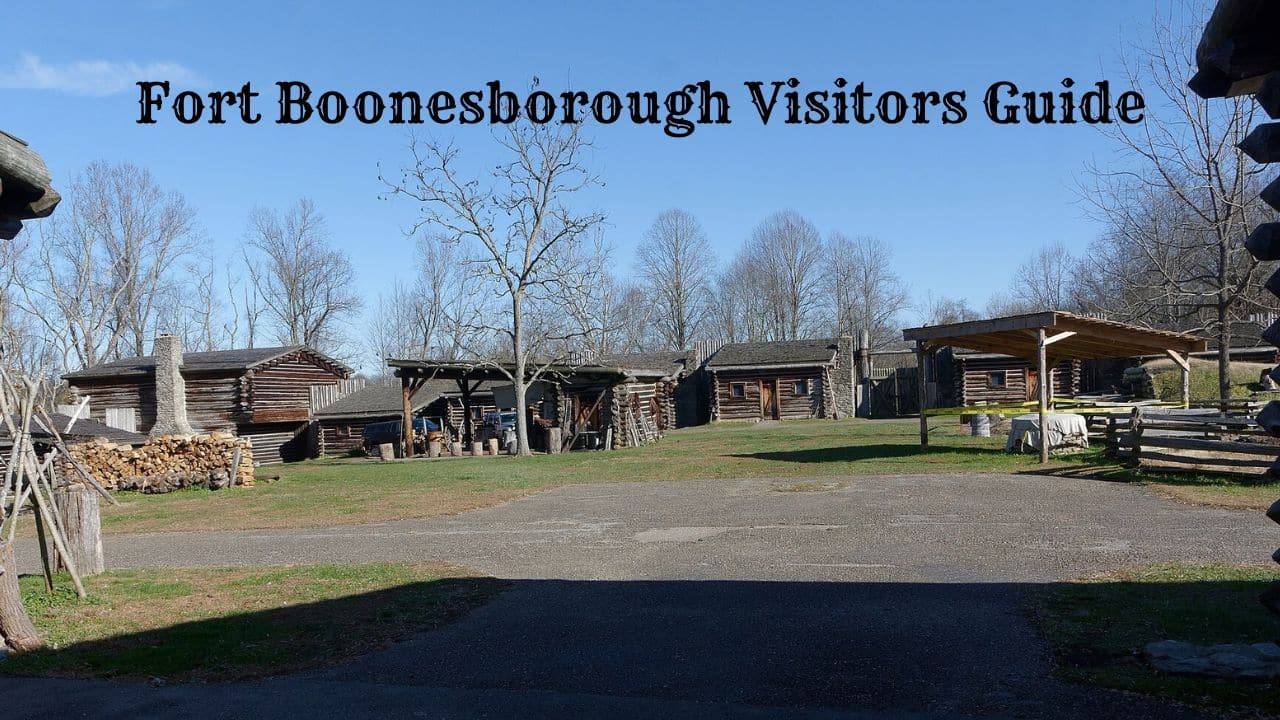
Fort Boonesborough State Park is a historic park on the Kentucky River near Richmond. At Fort Boonesborough, Kentucky, you can tour a rebuilt version of the fort where Daniel Boone founded a settlement in 1775, and you can also camp, swim, or hike.
The park covers 153 acres in Madison County and was established in 1963. It is also home to the Kentucky River Museum, which shows how families lived on the river and worked the locks and dams in the 1900s.
In this guide, we cover the park’s history, the fort, the museum, and the activities you can plan. We also share tips to help you make the most of your visit.
BOOK YOUR STAY NEAR FORT BOONESBOROUGH HERE
Fort Boonesborough Visitor Information
Planning a visit to Fort Boonesborough is easy. The park covers 153 acres in Madison County, Kentucky, and it sits on the Kentucky River near Richmond.
We suggest you set aside at least half a day. That gives you time to tour the fort and see the river.
What you can do at the park:
- Tour the rebuilt frontier fort
- Watch pioneer craft demonstrations by resident artisans
- Visit the Kentucky River Museum, which shows how river families lived and worked the locks and dams in the 1900s
- Enjoy camping and river recreation
| Topic | What to Know |
|---|---|
| Location | Madison County, Kentucky |
| Park size | 153 acres |
| Park opened | 1963 |
| Fort hours | Change by season |
| Admission | Fees apply to the fort and museum |
Fort Boonesborough hours and admission prices can change each year. The fort often runs on a seasonal schedule, so some areas may be closed in colder months.
Before your trip, check the official Fort Boonesborough State Park website for current hours and ticket prices. You can also call the park office with questions.
Tip: Wear comfortable shoes. You will walk on grass, dirt paths, and uneven ground inside the fort.
BOOK YOUR STAY NEAR FORT BOONESBOROUGH HERE
The History of Fort Boonesborough
We think the fort’s story is the best reason to visit. It begins in 1775 with Daniel Boone and a small group of trail cutters.
In March and April 1775, Boone’s crew cut a path called Boone Trace. It was the first road into what became Kentucky. The path was wide enough for people on foot or on horseback.
The group reached the area on April 1, 1775. They first camped at Sycamore Hollow near the river. When Richard Henderson of the Transylvania Land Company arrived three weeks later, the settlers moved to nearby higher ground.
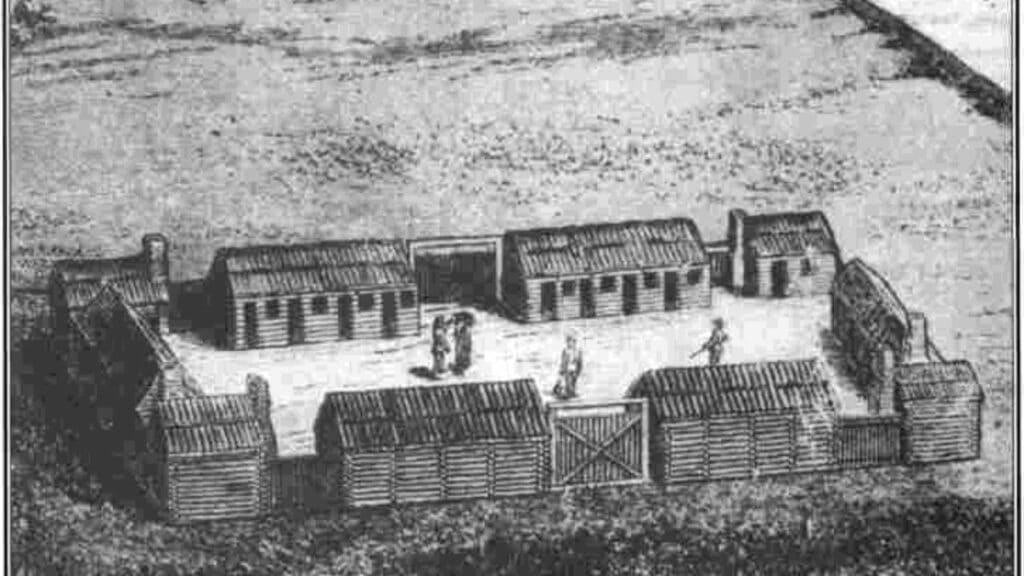
By summer 1775, the fort had:
- 26 one-story log cabins
- A rectangular layout about 260 by 180 feet
- Four blockhouses, one at each corner
- No well inside at first
Here are some key dates:
| Year | Event |
|---|---|
| 1775 | Boone’s party arrives and builds the fort |
| 1778 | Settlers hold out during the Great Siege of Boonesborough |
| 1779 | Becomes the first town chartered in Kentucky |
| 1987 | University of Kentucky surveys the site |
Over time, Louisville grew larger. The Wilderness Road led wagons there instead, and the old fort faded away.
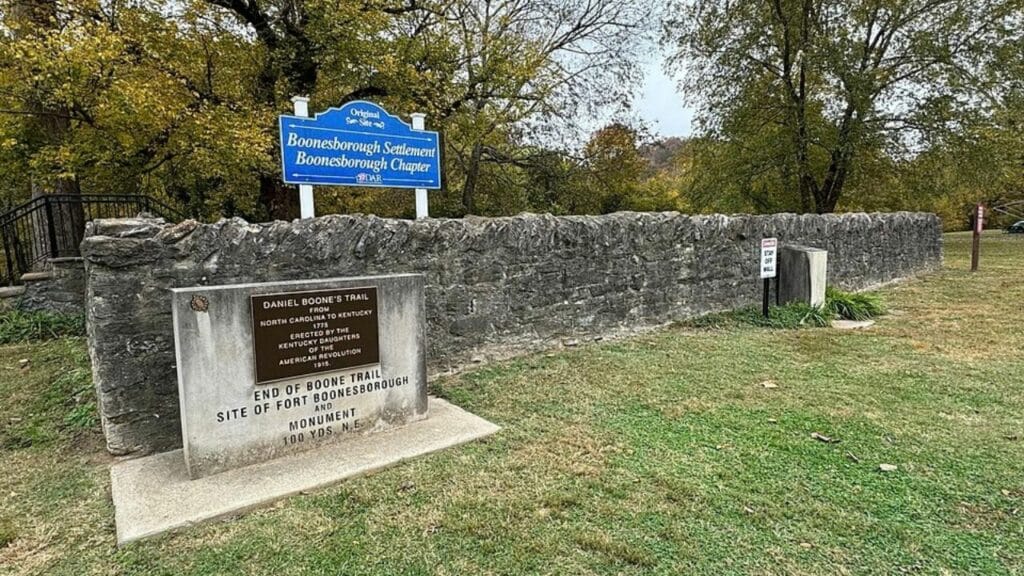
Today, a stone memorial marks the original fort site preserved in the park. The replica you can tour stands about half a mile away.
What to See at Fort Boonesborough

The park’s main sights include a rebuilt 18th-century fort with cabins and blockhouses, craftspeople who show how pioneers worked, the grounds where the first fort stood, and a museum about life on the Kentucky River.
We recommend planning at least half a day to see everything.
The Reconstructed Frontier Fort
The rebuilt fort is the park’s centerpiece. Built in the 1970s near the site of the first fort, it was based on drawings and records from the time.
Kentucky set aside the land as a park in 1963 to protect pioneer history. The fort shows what life looked like for settlers in the late 1700s.
The story begins with Daniel Boone. He and his men reached the Kentucky River on April 1, 1775, and started building what became Kentucky’s second settlement.
Here is what you can expect inside:
- Furnished rooms set up like pioneer homes
- Workshops where crafts are shown
- A gift shop with handmade goods
The fort is usually open during the warmer months. We suggest checking hours before you go, since they change by season.
Cabins, Blockhouses and Palisade Walls
The fort is laid out much like the original. Log cabins line the inside, and tall wooden walls connect them.
These walls are called a palisade. They are made of logs set upright in the ground and sharpened at the top. Settlers used them for protection.
| Feature | What It Was Used For |
|---|---|
| Cabins | Homes and workspaces for families |
| Blockhouses | Two-story corner towers used to watch for danger |
| Palisade walls | Log walls that closed the fort in |
| Gates | Main entry points that could be shut and barred |
The blockhouses sit at the corners. Their upper floors stick out over the lower floors. This let settlers see and defend the base of the walls.
You can walk into many of the cabins. Each one has period tools, furniture, and household items.
Resident Artisans and Living History Demonstrations
The fort is a working site. Living historians and resident artisans staff it and demonstrate 18th-century skills.
The artisans dress in period clothing. They explain what they are doing and answer questions.
Crafts you may see include:
- Blacksmithing – shaping iron into tools and hardware
- Weaving and spinning – turning wool and flax into cloth
- Pottery – making dishes and jars from clay
- Candle and soap making – basic household tasks of the time
- Woodworking – building furniture and tools by hand
Many items made at the fort are sold in the gift shop. The park also holds special events and reenactments during the year. We find these are good times to visit with kids, since there is more activity at the fort.
The Original Fort Site
The first Fort Boonesborough stood close to the river, a short distance from today’s rebuilt fort. Nothing of the original wooden fort remains.
The site is marked so you can see where it was. Signs explain what happened there.
The most famous event was the Siege of Boonesborough in 1778. Shawnee warriors, along with some British-allied forces, surrounded the fort for about ten days. The settlers held out, and the attackers left.
Other key facts about the original fort:
- It was tied to the Transylvania Company, led by Richard Henderson.
- It was one of the earliest settlements in Kentucky.
- Early leaders held one of the first lawmaking meetings west of the Appalachians there in 1775.
The whole park covers 153 acres in Madison County, so the site is easy to reach by car.
The Kentucky River Museum
The Kentucky River Museum is a newer part of the park. It covers a later period than the fort.
The museum shows the lives of families who lived on the river and ran the locks and dams in the 1900s. It is set in former lockmaster homes near Lock 10.
Locks and dams made it easier for boats to travel the Kentucky River. Workers and their families lived nearby to keep them running.
Inside, you can see:
- Household items from lock workers’ homes
- Photos of the river and boats
- Displays about how the locks worked
- Exhibits on trade and shipping along the river
We like pairing the museum with the fort. Together, they show how the area changed from a frontier settlement to a working river community.
Things to Do at Fort Boonesborough State Park
The park mixes 18th-century history with outdoor fun along the Kentucky River. You can watch artisans at work inside a rebuilt fort, camp overnight, paddle the river, walk shaded trails, and attend living history events held during the year.
Tour the Fort
The main attraction is a reconstructed fort built to look like the one Daniel Boone’s group founded in 1775. The park includes cabins and blockhouses modeled on late-1700s designs, placed inside tall wooden walls.
Inside, living historians and resident artisans show 18th-century skills. Common demonstrations include:
- Weaving and spinning
- Candle making
- Woodworking
- Blacksmithing and cooking
Near the fort, the Kentucky River Museum shows how families lived and worked the locks and dams in the 1900s. We suggest planning at least two hours to see both the fort and the museum. The fort has an admission fee and seasonal hours, so check before you go.
Camping
The park has a campground right beside the Kentucky River. Most sites offer electric and water hookups, and many are shaded by trees.
Campers have access to:
| Feature | Details |
|---|---|
| Site types | RV and tent sites |
| Facilities | Bathhouses with showers and restrooms |
| Extras | Laundry, camp store, and a dump station |
| Location | Short walk to the river and the fort |
The campground can fill up on summer weekends and during big events. We recommend reserving your site early through the Kentucky State Parks reservation system.
Swimming and River Access
The park sits on the banks of the Kentucky River. Canoeing and kayaking are popular ways to explore the water at an easy pace. You can bring your own boat and launch from the park’s ramp.
Fishing is also common along the riverbank. Anglers often catch catfish, bass, and bluegill. A valid Kentucky fishing license is required for anyone who needs one under state rules.
The park has operated a swimming pool during the summer season. Pool hours and dates can change each year, so we suggest calling the park before your trip. Swimming directly in the river is not recommended because of currents and boat traffic.
Hiking and Picnicking
The park covers 153 acres in Madison County, with space for short walks and relaxed meals outdoors. Trails are generally short and easy, which makes them a good fit for families.
The Pawpaw Path and other short routes wind through wooded areas near the river. These walks give you a chance to spot birds, wildflowers, and native trees.
For picnics, you will find:
- Tables spread across grassy areas
- Grills for cooking
- Shelters that can be reserved for groups
Getting there is simple. The park is at 4375 Boonesborough Road in Richmond, a short drive from I-75 Exit 95.
Special Events and Reenactments
The park hosts events year-round that bring frontier history to life. Living history programs, craft demonstrations, and ranger talks are built for all ages.
One well-known event is the reenactment of the 1778 Siege of Boonesborough. During the siege, settlers held the fort for about 10 days against a large force. Reenactors in period clothing show camp life, battle scenes, and daily chores.
Other events may include:
- Seasonal craft fairs
- School field trip days
- Holiday programs at the fort
Event dates change each year. We suggest checking the park’s official calendar before planning your visit around a specific program.
Is Fort Boonesborough Worth Visiting?
We think Fort Boonesborough is worth visiting for most families and history fans. It is a good choice if you like hands-on learning and time outdoors.
The main draw is the rebuilt fort. It has cabins and blockhouses, and living historians and artisans show 18th-century skills like crafts and daily chores.
The park also marks a real place in Kentucky history. Daniel Boone and his men reached the Kentucky River on April 1, 1775, and started one of the state’s first settlements here.
Who We Think Will Enjoy It Most
| Type of Visitor | What Fits Them |
|---|---|
| History fans | The fort, reenactments, and the Kentucky River Museum |
| Families | Interactive demos that kids can watch up close |
| Campers | A campground right by the river |
| Outdoor lovers | River recreation and camping |
A Few Things to Keep in Mind
- The park is fairly small, at 153 acres in Madison County.
- Many visitors see the fort in a few hours.
- The fort and museum may have seasonal hours, so check before you go.
If you want a quiet trip focused on thrill rides or big hikes, this may not be the best match. But if you want to see how pioneers lived, we think the park delivers a clear, useful look at the past.
Tips for Visiting Fort Boonesborough
A little planning can help you get more out of your trip. We put together these simple tips to help you plan your day.
Plan your route ahead of time. The park is at 4375 Boonesborough Road in Richmond, Kentucky. From I-75, you can take Exit 95 and head east on KY Highway 627 to reach it.
Check the event calendar. The park offers living history events and hands-on craft demonstrations for all ages. Hours and programs can change by season, so check before you go.
Leave time for the museum. The Kentucky River Museum shows how families lived on the river and ran the locks and dams in the 1900s. It fits well into a day at the fort.
Here is a quick list of what we suggest you bring:
| Item | Why It Helps |
|---|---|
| Comfortable shoes | You will walk around the fort and grounds |
| Water and snacks | Days outside can be long |
| Sunscreen and bug spray | Much of the visit is outdoors |
| Camera or phone | You can take photos of the cabins and blockhouses |
Think about the river. The Kentucky River runs along the park. Many guests enjoy canoeing and kayaking on the river at their own pace.
Read a full Fort Boonesborough travel guide. A detailed guide like this one, covering camping and things to do at the park, can help you decide whether to stay overnight.
Nearby Attractions
Fort Boonesborough sits close to several historic sites and outdoor spots. We think these make good add-ons if you have extra time.
Inside the park, the Kentucky River Museum shows river life in the 1900s. It covers the families who ran the locks and dams. It is a short walk from the fort.
Travel sites list many things to do near Fort Boonesborough, with thousands of visitor reviews. Here are some of our picks:
| Attraction | Type | What You Will Find |
|---|---|---|
| Civil War Fort at Boonesboro | History | Earthen fort remains on a hill |
| White Hall State Historic House | History | Home of Cassius M. Clay near Richmond |
| Boone Station State Historic Site | History | Site of a later Boone family settlement |
| Old Clay’s Ferry Bridge | Scenic | Views of the Kentucky River gorge |
| Three Trees Kayak & Canoe | Outdoors | Paddling trips on the river |
You can check more local outdoor and history spots near the park before your trip.
If you plan a longer drive, there are more historic landmarks in the region. Some are worth a day trip:
- Mary Todd Lincoln House in Lexington
- Nada Tunnel near the Red River Gorge
- Holly Rood – The Clark Mansion in Winchester
Hours and fees change, so we suggest you confirm details with each site before you go.
Frequently Asked Questions
Fort Boonesborough State Park offers a rebuilt 1775 fort, a river museum, camping on the Kentucky River, and a yearly siege reenactment each September. Hours and fees vary by season, so check before you go.
What can you do at Fort Boonesborough State Park?
The main attraction is a full-size copy of the fort Daniel Boone founded in 1775. Inside, you can see cabins, blockhouses, and living historians who show how pioneers worked and lived.
They often demonstrate crafts like weaving, blacksmithing, and candle making.
The park also has the Kentucky River Museum. It tells the story of families who lived on the river and worked the locks and dams in the 1900s.
Outside the fort, you can enjoy river recreation, camping, and living-history experiences. Other options include:
- Fishing and boating on the Kentucky River
- Hiking on park trails
- Picnicking in shaded areas
- Mini golf and seasonal swimming
We suggest planning at least half a day for the fort and museum alone.
What are the park’s hours of operation?
The park grounds and campground are open all year. The fort and museum usually keep seasonal hours, with the most open days in spring, summer, and fall.
Days and times can change each year. We recommend checking the official Kentucky State Parks website or calling the park before your trip.
How much does it cost to visit the reconstructed fort?
The fort charges an admission fee, with lower prices for children and seniors. Young children are often free. Some visitor guides note a small entrance fee for vehicles.
Prices can change, and special events may cost more. Confirm current rates with the park before you visit.
Can you camp at Fort Boonesborough State Park, and how do you make a reservation?
Yes. The park has a large campground near the Kentucky River. Most sites have water and electric hookups, and the campground has bathhouses with showers.
You can book a site online through the Fort Boonesborough campground reservation page. You can also call the park to reserve. Summer weekends and the September siege weekend fill up fast, so we suggest booking early.
Are cabins available at Fort Boonesborough State Park?
The park does not list rental cabins for overnight guests. The campground is the main place to stay inside the park.
If you want a room or cabin, you can find hotels in nearby Richmond or Winchester. Lexington is also about a 30-minute drive away.
When are reenactments held at Fort Boonesborough State Park?
The biggest event is the reenactment of the 1778 Siege of Fort Boonesborough. It takes place each year in September. During this event, reenactors act out the siege, and visitors can watch camp life and battle scenes.
The park also holds smaller living-history events during the fort’s open season. We recommend checking the park’s event calendar for exact dates.

Cory is a website owner and content creator who enjoys fishing, history, coin collecting, and sports, among other hobbies. He is a husband and father of four.
Romans 15:4 For whatever was written in former days was written for our instruction, that through endurance and through the encouragement of the Scriptures we might have hope.