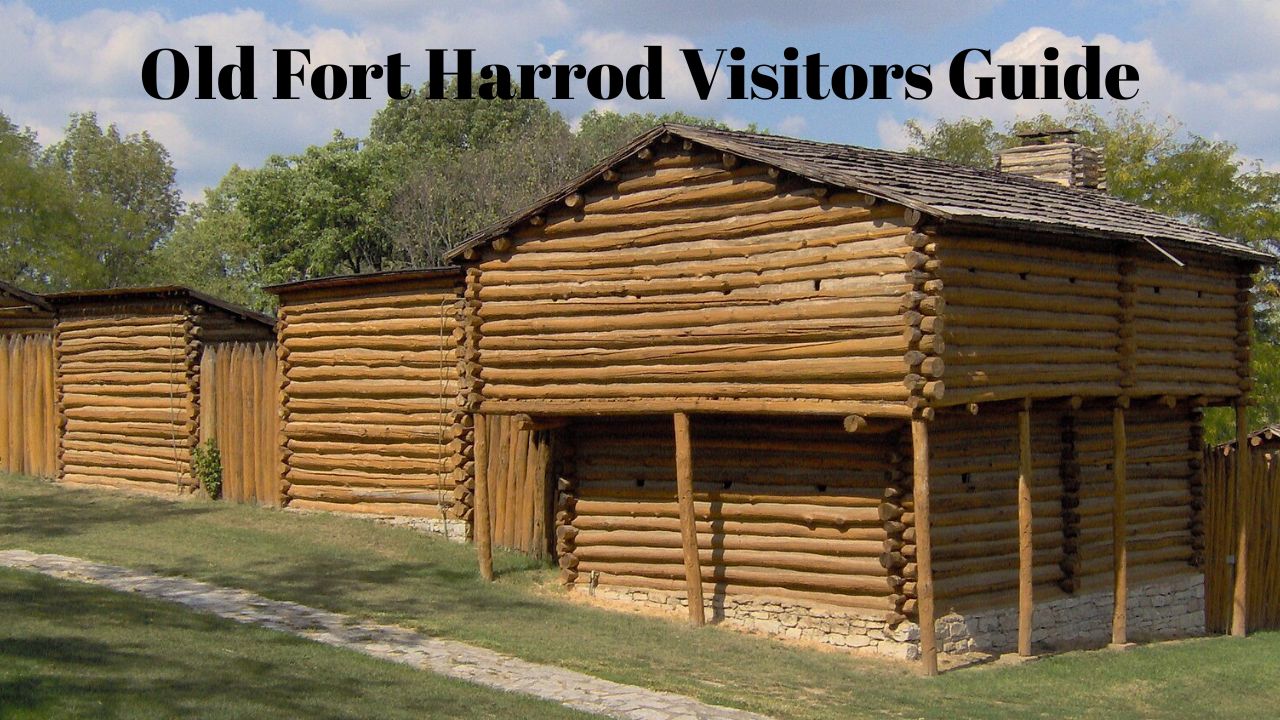
Old Fort Harrod State Park in Harrodsburg, Kentucky, is a 15-acre historic park. It sits on the site of Kentucky’s first permanent American settlement.
The park’s main attraction is a full-scale replica of the fort James Harrod built in 1774, with cabins and blockhouses filled with pioneer tools, furniture, and utensils.
The park also has the Mansion Museum, the George Rogers Clark Federal Monument, and the Lincoln Marriage Temple.
Kids can play on the largest Osage orange tree in the US near the front entrance and use the playground in the back of the park.
In our Old Fort Harrod travel guide, we cover what to see, the park hours and admission details, and tips to help you plan your trip.
BOOK YOUR TRIP TO OLD FORT HARROD HERE
Old Fort Harrod State Park Visitor Information

Old Fort Harrod State Park is in Harrodsburg, Kentucky. The park covers 15 acres in Mercer County and opened in 1927.
The park grounds are open every day from dawn to dusk. The fort and gift shop follow a seasonal schedule, so we suggest you check the days before you go.
Ticket Prices
One ticket covers admission to both the fort and the Mansion Museum.
| Visitor Type | Price |
|---|---|
| Adults | $8.00 |
| Seniors | $6.00 |
| Children (6–12) | $5.00 |
| School groups (20 or more) | $4.00 |
Fort and Gift Shop Days
- March through November: Open Wednesday through Sunday. Closed Monday and Tuesday.
- December through February: Open Monday through Friday. Closed Saturday and Sunday.
Visiting in the fall? The local tourism office notes that demonstrations and tours run daily through October. After that, there may be fewer live programs.
Rentals for Groups and Events
- Amphitheater: $300, plus a $200 deposit. Chairs are included.
- Park grounds for a wedding: $100.
- Shelter: $75.
For updates and contact details, you can visit the Kentucky State Parks page for Old Fort Harrod. Hours can change, so confirm before your trip.
The History of Fort Harrod
Fort Harrod was Kentucky’s first permanent English settlement. Its story starts in 1774, when pioneer James Harrod led a group of settlers into what is now Mercer County.
The group picked a spot near a large spring. They built cabins and cleared land for farming. The settlement was first called Harrodstown. It later became the town of Harrodsburg, Kentucky.
Soon after, frontiersman Daniel Boone arrived to warn the pioneers of imminent danger. Settlers were ordered east to fight in Dunmore’s War, briefly leaving the site.
They returned in 1775 and built a fort on higher ground that was easier to defend and did not flood.
Here is a short timeline we put together:
| Year | Event |
|---|---|
| 1774 | James Harrod and his men found the first permanent settlement in Kentucky |
| 1775 | Settlers return and build the fort |
| 1770s–1780s | The fort serves as a base during the Revolutionary War |
| 1927 | A replica of the fort is built near the original site |
During the American Revolution, the fort served as an essential frontier outpost. Pioneer families endured hardship during the Fort Harrod settlement & raid events of 1777, when native war parties attacked the post.
George Rogers Clark planned his Northwest Territory strategy in one of its original blockhouses.
The fort was also the site of several Kentucky “firsts,” including:
- The first court sessions in Kentucky
- Early militia gatherings
- The region’s earliest recorded community events
Over time, people used the original fort as a school and a jail before it fell apart. Learn more about its role from the Friends of Old Fort Harrod State Park.
BOOK YOUR TRIP TO OLD FORT HARROD HERE
What to See at Old Fort Harrod
The park’s main sights are a full-size copy of the 1774 frontier fort, furnished pioneer cabins, and daily craft demonstrations during the open season.
A museum, a federal monument, the Lincoln Marriage Temple, and an early pioneer cemetery are all a short walk away on the same grounds.
The Replica Fort
The main attraction is a reconstructed fort based on the original post James Harrod built in 1774. Harrod and his men founded the first permanent settlement west of the Alleghenies here, in what is now Central Kentucky.
This impressive frontier fort stands near the original site. Tall log walls with pointed tops surround the inside yard.
Inside the walls, you can walk between the buildings at your own pace. The layout shows how settlers lived close together for safety.
We suggest starting your visit here. The fort gives you a clear picture of frontier life before you see the other sites.
Cabins, Blockhouses and Pioneer Furnishings
The fort consists of log cabins and blockhouses. Each is furnished with handmade utensils, furniture, and simple tools pioneers used.
Here is what to look for:
- Blockhouses: Two-story corner buildings. The upper floor sticks out so guards could watch and defend the walls.
- Cabins: Small one-room homes with fireplaces, beds, and cooking tools.
- Household items: Spinning wheels, wooden bowls, and iron pots.
One cabin is linked to Ann McGinty. She is known for bringing one of the first spinning wheels to Kentucky.
Many rooms are dark and plain. This is how they really looked, so give your eyes a moment to adjust.
Living History Demonstrations
During the season, staff in pioneer clothing show how settlers worked. Demonstrations and tours run daily through October.
Past demonstrations have included skills such as:
| Skill | What You May See |
|---|---|
| Blacksmithing | Shaping hot iron into tools |
| Weaving and spinning | Turning wool into thread and cloth |
| Woodworking | Making simple furniture and tools |
| Open-hearth cooking | Preparing food over a fire |
The demonstrations change, so we recommend checking the schedule before you go. Staff are happy to answer questions and demonstrate traditional Kentucky handcrafts.
Since today is October 18, 2026, only a few weeks remain in this year’s season. Children can also climb on the large Osage orange tree and use the playground.
The Mansion Museum
The Mansion Museum sits on the park grounds near the fort. Major James Taylor built this Greek Revival house in 1830.
The house now holds collections tied to Kentucky history. Exhibits have included:
- Civil War items from both the Union and Confederate sides
- A room filled with Lincoln memorabilia
- The renowned McIntosh gun collection, showcasing historic long rifles
- Native American artifacts
- Old furniture, guns, and documents
The Mansion offers a change from the rough fort. It shows how life in Harrodsburg changed about 50 years after settlement.
We suggest planning at least 30 minutes here. The rooms are full of small items worth a close look.
George Rogers Clark Federal Monument
This large stone monument honors George Rogers Clark and the region’s early settlers. Clark was a frontier military leader during the American Revolution. He spent time at Harrodsburg and used it as a base.
President Franklin D. Roosevelt dedicated the monument in 1934. It is made of granite and has carved scenes of pioneer life.
The carvings show settlers moving west and building new homes. You can walk around the base to see each panel.
The monument is outside the fort walls. It is a good photo stop and takes only a few minutes to see.
Lincoln Marriage Temple
The Lincoln Marriage Temple is a brick building that protects a small log cabin. Thomas Lincoln and Nancy Hanks were married in this cabin on June 12, 1806. They later had Abraham Lincoln.
They built the cabin in Washington County, Kentucky. It was later moved to the park. They added the brick building around it in the early 1930s to protect it from the weather.
This landmark is an official stop along the Lincoln Heritage Trail. Inside, you can see the simple cabin up close. It is a quiet spot with a direct link to one of the best-known families in U.S. history.
For many visitors, this is one of the most memorable stops. We recommend it for anyone interested in Lincoln.
Pioneer Cemetery
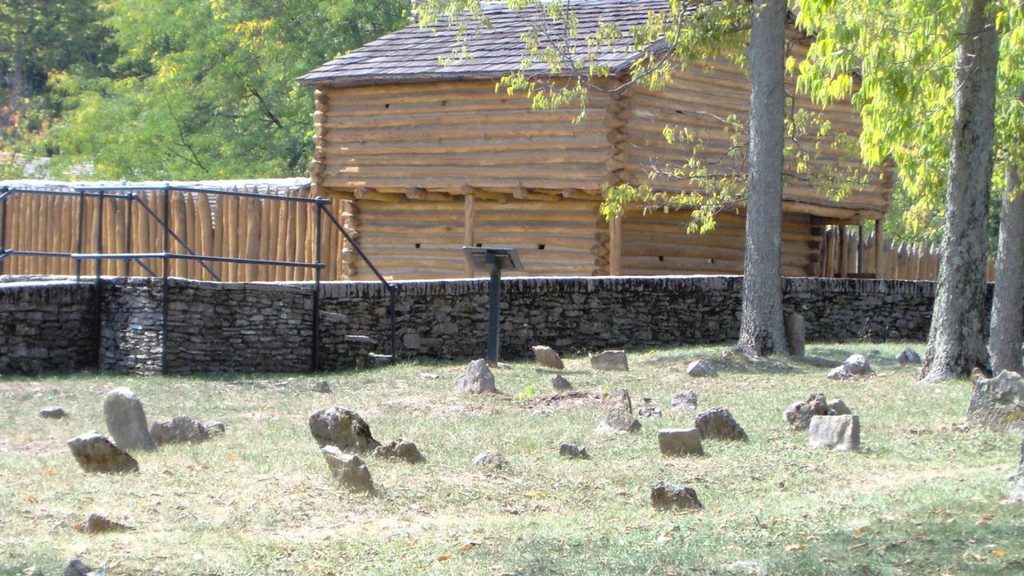
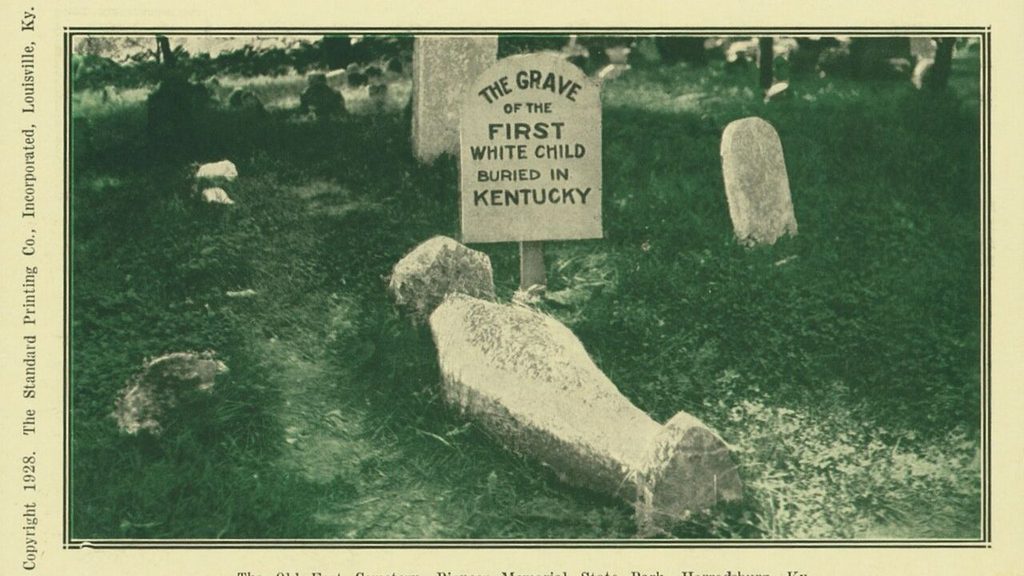
The park includes what is described as the oldest cemetery west of the Alleghenies. Burials here date back to the 1770s.
Many early settlers of Fort Harrod are buried here. Hundreds of people are thought to rest here, though many graves have no names.
Most markers are small, rough fieldstones. Some have simple carved letters or dates, while others are blank.
Please walk with care and stay on the paths. The stones are old and easy to damage. The cemetery is a calm place to end your visit and think about the people who built the first settlement.
Things to Do at Old Fort Harrod State Park
The park covers about 15 acres in Harrodsburg, Kentucky. Most of its main sights sit close together, so you can see a lot in one visit.
We suggest starting at the fort. It is a reconstruction of Fort Harrod, the first permanent American settlement in Kentucky. Inside, you can walk through cabins and blockhouses built to look like they did in the 1770s.
Here are the main things to see:
| Attraction | What You Will Find |
|---|---|
| Fort Harrod | Pioneer cabins, blockhouses, and living history |
| Mansion Museum | Civil War and Native American displays |
| Lincoln Marriage Temple | A brick building that covers the cabin where Abraham Lincoln’s parents married |
| George Rogers Clark Monument | A federal monument honoring the frontier leader |
| Pioneer Cemetery | Called the oldest cemetery west of the Alleghenies |
Families with kids have more options. The park has a playground and the “Big Ole Tree,” which is recognized as the largest Osage orange tree in the US. Children can climb on it.
The park also offers demonstrations and tours daily through October. Staff in period clothing often show pioneer skills like woodworking and weaving.
- Self-guided tours take about 1.5 hours.
- Guided tours give more detail about the fort’s history.
We recommend checking the park’s schedule before you go, since hours and events change by season.
Is Old Fort Harrod Worth Visiting?
Yes, we think Old Fort Harrod is worth visiting, especially for families, history fans, and school groups. The park is small, so most people can see it in a few hours.
The main draw is a full-scale replica of the 1774 fort James Harrod built. Its cabins and blockhouses hold handmade tools and furniture, as those pioneers used.
What You Get for the Price
One ticket covers both the fort and the Mansion Museum. Here are the current ticket prices:
| Visitor | Price |
|---|---|
| Adults | $8.00 |
| Seniors | $6.00 |
| Children (6-12) | $5.00 |
| School groups (20+) | $4.00 |
The park grounds are free to walk and open every day from dawn to dusk.
Who Will Enjoy It Most
- History fans can see the George Rogers Clark Monument and the Lincoln Marriage Temple.
- Families can let kids climb the Osage Orange tree and use the playground.
- Short-trip visitors can tour the 15-acre park without much walking.
Things to Keep in Mind
The fort and gift shop close on some days. From March through November, they are closed on Mondays and Tuesdays. In winter, they are closed on weekends.
Check the schedule before you go. If you want to see live demonstrations, plan your trip for the warmer months.
Tips for Visiting Old Fort Harrod
A little planning helps you get the most out of your trip. We suggest checking the days and prices before you go.
Check the open days. The park grounds are open every day from dawn to dusk. The fort and gift shop follow a seasonal schedule that changes by month.
| Months | Fort and Gift Shop Open |
|---|---|
| December – February | Monday to Friday |
| March – November | Wednesday to Sunday |
Know the ticket prices. One ticket covers both the fort and the Mansion Museum.
- Adults: $8
- Seniors: $6
- Children (6–12): $5
- School groups of 20 or more: $4 each
Plan time for more than the fort. The park also has the Mansion Museum, the Lincoln Marriage Temple, and the George Rogers Clark Federal Monument. An old pioneer cemetery is also on the grounds. We recommend setting aside at least two hours.
Dress for the outdoors. You will walk on grass and dirt paths between buildings. Comfortable shoes and weather-ready clothes are a good idea.
Think about a budget day trip. The local paper calls the park an affordable stay-cation close to home. Bring a picnic and enjoy the shaded grounds.
Book group spaces early. You can rent the amphitheater, shelter, and park grounds for events. Learn more about these park amenities and spaces before you call.
Nearby Attractions
Old Fort Harrod State Park sits in downtown Harrodsburg. This makes it easy to add other stops to your trip. We suggest planning a full day or a weekend to see more of the area.
One top pick near the park is Shaker Village of Pleasant Hill. It is a restored Shaker community with historic buildings, farmland, and walking trails. You can find more history and nature sites around Harrodsburg to round out your visit.
The region also has several parks and historic sites near Old Fort Harrod. Here are some we think are worth a look:
| Attraction | What You Will Find |
|---|---|
| Shaker Village of Pleasant Hill | Historic buildings, trails, and farm life |
| Constitution Square State Park | Early Kentucky history in Danville |
| High Bridge Park | A historic railroad bridge over the Kentucky River |
| Camp Nelson Civil War Heritage Park | Civil War history and walking paths |
| Isaac Shelby Cemetery State Historic Site | Grave site of Kentucky’s first governor |
If you enjoy the outdoors, Mercer County has plenty to offer. You can fish, paddle, hike, golf, or go horseback riding. Local groups list many outdoor activities in Harrodsburg and Mercer County, including lakes and rivers.
Herrington Lake is a popular spot for boating and fishing. It is a short drive from the park.
Frequently Asked Questions
Old Fort Harrod State Park is a 15-acre day-use park in Harrodsburg, Kentucky, built around a replica of the fort James Harrod founded in 1774.
Below, we cover what to see, ticket prices, seasonal hours, overnight options, events, and the original fort’s history.
What should you do at Old Fort Harrod State Park?
The main attraction is a full-scale replica of the 1774 fort. Its cabins and blockhouses contain handmade furniture, tools, and utensils used by the pioneers.
Other stops in the park include:
- Mansion Museum: A historic home with exhibits on local history.
- George Rogers Clark Federal Monument: A memorial to Clark and the early settlers.
- Lincoln Marriage Temple: A brick building that covers the log cabin where Thomas Lincoln and Nancy Hanks, the parents of Abraham Lincoln, married in 1806.
- Pioneer Cemetery: One of Kentucky’s oldest cemeteries.
In the busy season, costumed interpreters show pioneer skills such as blacksmithing, weaving, quilting, and basket making. We think these demonstrations are the best way for kids to see how frontier life worked.
What are the hours and admission fees for Old Fort Harrod State Park?
The park grounds are open every day from dawn to dusk. One ticket covers both the fort and the Mansion Museum. Here are the current ticket prices and hours:
| Ticket Type | Price |
|---|---|
| Adults | $8.00 |
| Seniors | $6.00 |
| Children (6-12) | $5.00 |
| School groups of 20 or more | $4.00 each |
The fort and gift shop follow a seasonal schedule:
- March through November: Open Wednesday through Sunday, closed Monday and Tuesday.
- December through February: Open Monday through Friday, closed Saturday and Sunday.
Daily opening times can change. We suggest you call the park before your trip.
Is camping or cabin accommodation available at Old Fort Harrod State Park?
No. Old Fort Harrod is a day-use historic site, so it has no campground, cabins, or lodge.
You can find hotels and inns in Harrodsburg. For camping, other Kentucky state parks are within driving distance, and we recommend checking them before you plan an overnight stay.
The park offers rental spaces for day events. The amphitheater costs $300 plus a $200 deposit. You can reserve the grounds for a wedding for $100, and the picnic shelter costs $75.
What events and historical reenactments are scheduled at Old Fort Harrod State Park in 2026?
We have not confirmed a full 2026 event schedule. Event dates and details often change each year.
The park often hosts living history days, pioneer craft demonstrations, and seasonal programs. To see the park’s amenities and activities, check the Friends of Old Fort Harrod website. We also suggest calling the park office for the latest dates.
Where was the original Fort Harrod located?
The original fort stood in what is now Harrodsburg, in Mercer County, Kentucky. Settlers built it on high ground near a large spring, which provided a steady water supply.
The replica fort sits close to the original site. The nearby Pioneer Cemetery holds graves of early settlers from the fort days.
What is the history of Fort Harrod?
James Harrod led a group of settlers to the area in 1774. They started a town that became Harrodsburg, the first permanent European settlement west of the Allegheny Mountains.
The settlers built the fort to protect against conflicts with Native American groups. It also served as a base for George Rogers Clark during the Revolutionary War.
The original fort did not survive. Kentucky created the state park in 1927, and workers built the replica fort around that time to show visitors what the settlement looked like.

Cory is a website owner and content creator who enjoys fishing, history, coin collecting, and sports, among other hobbies. He is a husband and father of four.
Romans 15:4 For whatever was written in former days was written for our instruction, that through endurance and through the encouragement of the Scriptures we might have hope.