For years, people thought the original James Fort had washed away into the James River. In 1994, the Jamestown Rediscovery project began digging and proved the fort’s remains were still on dry land.
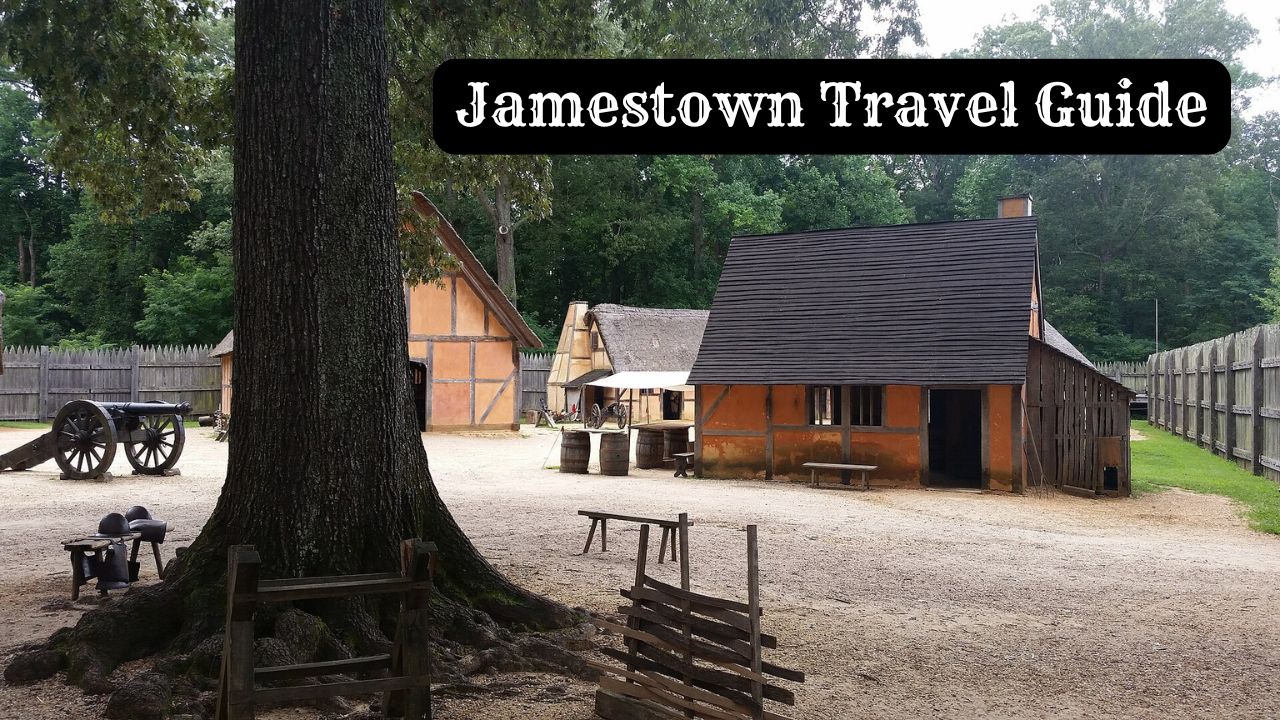
At Historic Jamestowne, you can see partial reconstructions of James Fort built on its real 1607 site, including sections of the palisade walls and bulwarks, a barracks frame, a working blacksmith’s shop, and outlines of the 1608 and 1617 churches.
No one plans to rebuild the whole fort. Each structure is based on archaeological findings and historical records.
This Historic Jamestowne travel guide explains what each rebuilt structure shows and how experts built it.
You will also learn how the fort differs from the recreated fort at the nearby Jamestown Settlement, so you can plan your visit with confidence.
BOOK YOUR TRIP TO JAMESTOWN HERE
Jamestown Visitor Information
Historic Jamestowne sits on Jamestown Island in Virginia. It is part of Colonial National Historical Park and is run by the National Park Service and Preservation Virginia.
| Detail | Information |
|---|---|
| Address | 1368 Colonial Pkwy, Jamestown, VA 23081 |
| Visitor center hours | Daily, 9:00 a.m. to 5:00 p.m. |
| Entrance gate hours | 8:45 a.m. to 4:30 p.m. |
| Closed | Thanksgiving (Nov. 26), Dec. 25, and Jan. 1 |
| Phone | 757-856-1250 |
Admission
You pay one entrance fee at the gate. Children 15 and under usually get in free. Ticket prices have gone up over time, so check the official website for the current rate before you go.
Your ticket covers the main areas of the site, including:
- The 1607 James Fort site and its rebuilt walls and structures
- The Memorial Church and the original 1600s church tower
- The Archaearium, a museum of items found at the fort
- Guided tours led by rangers and archaeologists
Helpful Tips
Plan to arrive well before the 4:30 p.m. gate closing. Most people need two to three hours to see the fort and museum.
Depending on the season, you may see archaeologists digging at the fort. Wear comfortable shoes, since most of the site is outdoors.
Note: Historic Jamestowne is different from Jamestown Settlement, a nearby museum with re-created ships and a re-created fort. The two sites charge separate fees.
BOOK YOUR TRIP TO JAMESTOWN HERE
The History of James Fort in Virginia
The 1607 James Fort was the start of Jamestown, the first permanent English settlement in North America. The Virginia Company of London founded it on May 14, 1607.
About 104 English men and boys arrived on three ships: the Susan Constant, the Godspeed, and the Discovery.
The settlers chose a spot on the James River they thought they could easily defend. By the end of May, they began building a fort. They finished it in about a month.
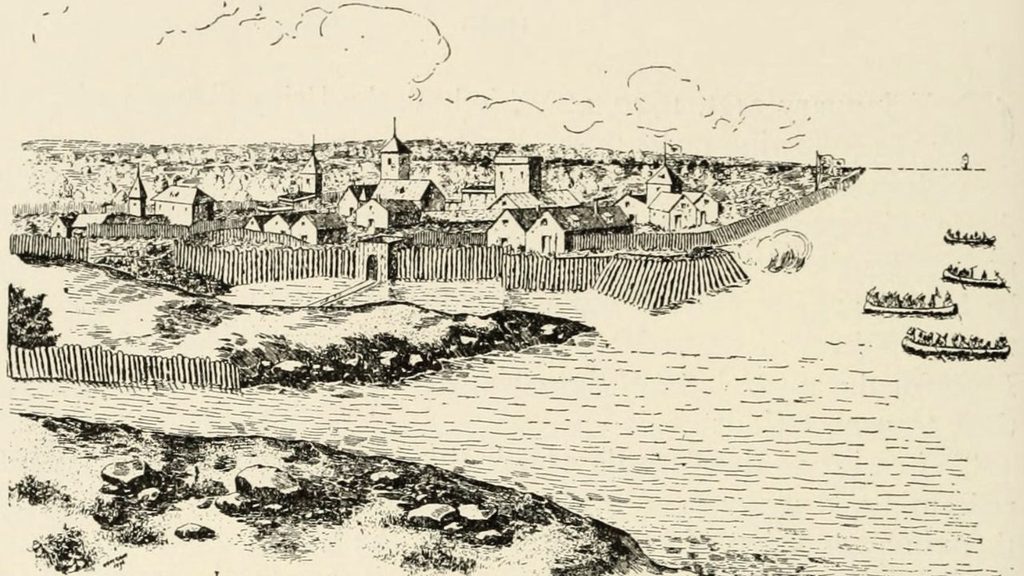
The fort was triangular and covered just over one acre. Here are its main features:
- Three walls made of tall wooden posts set into trenches
- A curved bulwark at each corner to hold cannons
- Buildings inside made in a “mud and stud” style, with wooden posts and mud-plastered walls
Life in the fort was hard. Many settlers died from disease, hunger, and conflict in the early years. The winter of 1609–1610, called the Starving Time, was one of the worst periods.
| Year | Event |
|---|---|
| 1607 | Fort is built |
| 1608 | First church is built inside the fort |
| 1620s | Fort falls into disrepair |
| 1699 | Colony’s government moves to Williamsburg |
Over time, people believed the river had washed the fort away. That changed in 1994, when archaeologists began finding the fort’s original wall lines. By 2003, they had confirmed the fort’s full outline.
How James Fort Was Rediscovered
For many years, people believed James Fort was gone. As early as 1837, reports said the James River had washed the 1607 fort away. Erosion on the island’s western shore was so severe that people built a concrete seawall in 1902.
Dr. William Kelso rejected this story. He visited Jamestown in 1963 as a graduate student. He thought the old brick church tower stood near the center of the first fort.
He got the idea from a written record. Colony secretary William Strachey described a chapel “in the middest” of the fort. Kelso reasoned that later churches were likely built on the same spot.
Other clues also pointed to dry land:
- Old artifacts in collections looked old enough to date to early Jamestown.
- Soil stains found near the church tower looked like the marks left by wooden walls, called palisades.
- Similar stains at other sites along the James River had turned out to be forts.
After about 10 years of talks with Preservation Virginia, which owned the land, Kelso started the Jamestown Rediscovery project. Digging began on April 4, 1994.
| Year | Milestone |
|---|---|
| 1994 | Excavation begins near the church tower |
| 1996 | Team publicly announces the fort’s rediscovery |
| 2007 | Jamestown’s 400th anniversary |
Jamestown Rediscovery archaeology showed that more than 80% of the fort’s footprint survived underground. The team has since found over 4 million artifacts. Today, you may see archaeologists still working at the site.
What to See at Historic Jamestowne
Historic Jamestowne lets you stand on the site of the 1607 James Fort, watch archaeologists at work, and see more than 4,000 artifacts pulled from the ground.
You can also visit a brick church tower from the 1600s, two bronze statues, the ruins of New Towne, and a working glasshouse.
The James Fort Site and Reconstructed Palisade
The James Fort site is the center of your visit. Archaeologists with Jamestown Rediscovery began finding the fort’s walls in 1994. By 2003, they had confirmed the fort’s full triangular shape, which covered just over one acre.
The James Fort reconstruction shows you what the fort looked like. Workers placed new posts in the same spots as the original posts.
Here is what has been rebuilt so far:
- Palisade walls and bulwarks: Wooden walls with a curved bulwark at each corner
- Barracks frame: Replaced in 2020 with funds from the Jamestown Society
- Blacksmith’s shop: Used for trade demonstrations during the busy season
- 1608 church outline: Partial walls built in 2015
The new posts are a bit shorter than the originals. Digging deeper would have harmed buried artifacts.
Active Archaeological Excavations
At Historic Jamestowne, the digging is not finished. Archaeologists still work at the fort site, and you can watch them as they uncover new finds.
Work usually takes place on weekdays, weather permitting. You may see staff measuring soil layers, sifting dirt through screens, or carefully cleaning objects. Many team members are happy to answer your questions.
The team’s past work has changed how people see Jamestown. For years, many believed the fort had washed into the James River. In 1994, archaeologists proved that most of it was still on land.
Their findings also guide the reconstruction of James Fort. Each rebuilt wall and frame is based on postholes and other evidence found in the ground.
The Voorhees Archaearium Museum
The Voorhees Archaearium is the archaeology museum at Historic Jamestowne. It opened in 2007 and sits near the fort site.
The museum holds more than 4,000 artifacts found at James Fort. These objects help explain daily life in the early colony.
Things you can see include:
- Tools, weapons, and pieces of armor
- Pottery, coins, and trade beads
- Items made by Powhatan people
- Remains and research on some of the early colonists
One well-known display covers “Jane,” a teenage girl whose remains show signs of the “Starving Time” in the winter of 1609–1610. Exhibits also show how scientists study bones to learn about the settlers’ lives and health.
The 17th-Century Church Tower and Memorial Church
The brick church tower is Jamestown’s oldest standing structure. Builders completed it around 1680 as part of a brick church. The rest of the church is gone, but the tower remains.
Next to the tower is the Memorial Church. It was built in 1907 for the 300th anniversary of Jamestown’s founding. It sits on top of the foundations of earlier churches.
Inside, you can see:
- The cobblestone foundations of the 1617 church
- A partial wooden frame showing what the 1617 church looked like
- Copies of 1600s pews, benches, and a chancel rail
- The “Knight’s Tombstone,” likely the grave of Governor Sir George Yeardley
The first meeting of the General Assembly, the first elected lawmaking group in English North America, was held in the 1617 church in 1619.
John Smith and Pocahontas Statues
Two bronze statues stand near the fort site. They honor two people closely tied to Jamestown’s early years.
| Statue | Artist | Year Placed |
|---|---|---|
| Captain John Smith | William Couper | 1909 |
| Pocahontas | William Ordway Partridge | 1922 |
The John Smith statue faces the James River. Smith led the colony from 1608 to 1609. His rules helped the settlers survive a hard time.
The Pocahontas statue stands near the Memorial Church. Pocahontas was the daughter of Powhatan, a powerful Native leader. She later married colonist John Rolfe in 1614.
Both statues are popular photo spots.
New Towne and the Island Loop Drive
New Towne is the area east of James Fort. As the colony grew, settlers moved outside the fort walls and built homes, shops, and offices here.
Today, you can walk on paths past the brick foundations of these buildings. Signs and markers tell you who lived or worked in each spot. Some foundations belong to state houses where the colony’s government met.
The Island Loop Drive lets you see more of Jamestown Island by car or bike. You can choose a 3-mile or a 5-mile route.
Along the way, you will see:
- Marshes and forests
- Wildlife such as deer, herons, and eagles
- Painted signs that show early island life
The drive gives you a view of the land much like the colonists saw it.
The Glasshouse
The Glasshouse is near the entrance to Historic Jamestowne. The National Park Service built it in 1956. It stands near the site of a real 1608 glasshouse that park archaeologists excavated.
Glassmaking was one of the colony’s first industries. The Virginia Company hoped to sell glass back in England for a profit. That early effort did not last long.
At today’s Glasshouse, workers in period clothing blow glass by hand. They use tools and methods like those from the 1600s.
You can watch them shape hot glass into cups, bottles, and other objects. Many of these items are sold in the gift shop, so you can take one home.
Historic Jamestowne vs. Jamestown Settlement: What’s the Difference?
Many visitors mix up these two sites. They have similar names and sit close to each other, but they are two separate places with different goals.
Historic Jamestowne is the actual spot where English colonists built James Fort in 1607. The National Park Service and Preservation Virginia run it together. Here, you can watch archaeologists dig and see the partial fort reconstructions based on their findings.
Jamestown Settlement is a living-history museum about a mile away. The Jamestown-Yorktown Foundation, a Virginia state agency, operates it. It offers full recreations built to show what life may have looked like.
| Feature | Historic Jamestowne | Jamestown Settlement |
|---|---|---|
| Location | Original 1607 fort site on Jamestown Island | Nearby museum grounds |
| Run by | National Park Service and Preservation Virginia | Jamestown-Yorktown Foundation |
| Main focus | Real archaeology and artifacts | Hands-on history and re-creations |
| Fort | Partial rebuilds on the original footprint | Full re-created fort |
| Other highlights | Archaearium museum, 1608 church site, glasshouse | Powhatan village, replica ships Susan Constant, Godspeed, and Discovery |
Your choice depends on what you want to see. If you want to stand where the colony began, go to Historic Jamestowne. For costumed interpreters and full-size replicas, Jamestown Settlement is a good fit.
Many families visit both. Each site requires its own ticket, though combo passes are often sold.
Things to Do at Historic Jamestowne
Historic Jamestowne sits on the actual site of the 1607 James Fort. You can see real archaeology in progress and walk through rebuilt parts of the fort.
Start at the Visitor Center. It has exhibits and a short theater program that gives you background before you head out to the fort.
Here are some of the main things you can do:
- Walk the James Fort site. See rebuilt sections of the palisade walls and corner bulwarks.
- Take a guided tour. Archaeologists and volunteers lead 45-minute walking tours of the dig site.
- Visit the Archaearium. This museum holds more than 4,000 artifacts found at the fort.
- Watch a blacksmith demo. The rebuilt blacksmith shop hosts trade demonstrations during the busy season.
- Explore the Memorial Church. It stands where the 1617 church once stood. A partial frame inside shows what the older church looked like.
- See the 1608 church outline. Rebuilt mud-and-stud walls show the size of the oldest English church in North America.
- Stop by the Glasshouse. The National Park Service runs glassblowing demonstrations near the entrance.
| Activity | Run By |
|---|---|
| Dig site tours | Preservation Virginia |
| Ranger tours | National Park Service |
| Glassblowing | National Park Service |
When you need a break, the Dale House Cafe offers on-site food. Check the park schedule before you go, since tour times and demonstrations can change by season.
Is Historic Jamestowne Worth Visiting?
For most history fans, the answer is yes. Historic Jamestowne is the actual site where English colonists built James Fort in 1607. You walk on the same ground where the colony began.
This differs from Jamestown Settlement, a nearby living-history museum. That site has full replicas of the fort and the three ships. Historic Jamestowne focuses on the real location and real artifacts.
What You Can See
| Feature | What to Expect |
|---|---|
| James Fort site | The original fort area, with parts of the wall and buildings marked or rebuilt |
| Active archaeology | The Jamestown Rediscovery team digging on the site |
| The Archaearium | A museum with items found on the island |
| 1907 Memorial Church | A church built over the site of the original church |
| Guided talks | Archaeologists and educators share the colony’s story |
Since 1994, the Jamestown Rediscovery project has found about three million artifacts. Some of the most important ones are on display in the Archaearium.
Who Will Enjoy It Most
- People who like archaeology and seeing real dig sites
- Visitors who want to stand where the colony actually began
- Students learning about early America and the Virginia Indians
If you want costumed actors and full-size ship replicas, Jamestown Settlement may suit you better. Many people visit both.
Plan for 2 to 3 hours. If you want to explore more deeply, you can spend half a day. The Dale House Café near the water is a simple place to stop for lunch.
Tips for Visiting Historic Jamestowne
A little planning can help you get the most out of your trip. Two groups run Historic Jamestowne. The National Park Service and Jamestown Rediscovery (part of Preservation Virginia) work together to manage the site.
Buy the right ticket. You need a National Park Service ticket to enter any part of Historic Jamestowne. This includes the James Fort area and the Archaearium.
Know which site you are visiting. Jamestown Settlement is a different place nearby. It has re-created ships and a living history area. Historic Jamestowne is the actual site of the 1607 fort.
Give yourself enough time. Most visits last 2 to 3 hours. If you want to see everything in detail, plan for half a day.
| Stop | What You Can Do |
|---|---|
| James Fort site | See where the first colonists lived and watch archaeologists at work |
| Memorial Church | Visit the 1907 church built on the site of earlier churches |
| Archaearium | View artifacts found since the dig began in 1994 |
| Dale House Café | Eat lunch or a snack near the James River |
Join a guided tour. Tours are offered daily. Park rangers, archaeologists, and costumed interpreters lead them. They share the story of the colonists and recent finds.
Prepare for the outdoors. Much of the site is outside. You should:
- Wear comfortable walking shoes
- Bring water, sunscreen, and bug spray
- Check the weather before you go
Use the map. The site offers an interactive map. Use it to plan your route around the island.
Nearby Attractions
Historic Jamestowne sits in an area full of history and outdoor fun. Many sites are only a short drive away, so you can easily add more stops to your trip.
The Colonial Parkway is a good place to start. This 23-mile scenic road links Jamestown, Williamsburg, and Yorktown. Together, these three places are often called Virginia’s Historic Triangle.
| Attraction | What You Can See or Do |
|---|---|
| Jamestown Settlement | Visit a re-created James Fort, a Powhatan Indian village, and copies of the three ships that arrived in 1607 |
| Colonial Williamsburg | Walk through a living history museum that shows Virginia’s capital from 1699 to 1780 |
| Yorktown Battlefield | Explore the site where British General Cornwallis surrendered to George Washington in 1781 |
| Freedom Park | Ride mountain bike trails, try a zip line, and learn about one of the earliest free Black settlements in the country |
| Busch Gardens & Water Country USA | Enjoy roller coasters, family rides, and a summer water park near I-64 |
The state of Virginia runs Jamestown Settlement. It is separate from Historic Jamestowne, which is the original fort site. Visiting both gives you a fuller picture of early colonial life.
If you have extra time, consider these tips:
- Pair Yorktown with Jamestown to see both the colony’s start and the end of the Revolutionary War.
- Check hours and ticket prices for each site before you go, since they can change by season.
- Plan for travel time on the Colonial Parkway, which has a lower speed limit than most highways.
Frequently Asked Questions
Archaeologists found the 1607 triangular fort in 1994, and since then, they have rebuilt parts of its walls, bulwarks, churches, barracks, and blacksmith’s shop on the original site. A ticket to Historic Jamestowne lets you see these structures and the active digs. The full-size replica fort is at a separate site, Jamestown Settlement.
What parts of James Fort have been reconstructed at Historic Jamestowne?
The fort has not been fully rebuilt. Instead, Jamestown Rediscovery has rebuilt selected parts to help you understand the layout. You can see:
- Palisade walls and bulwarks: Sections of the wooden walls and the curved corner defenses.
- The 1608 church: A partial outline of the walls, built in 2015 using the “mud and stud” style.
- The 1617 church: A partial building frame placed inside the 1907 Memorial Church in 2019.
- The barracks: A building frame that replaced an older 2006 frame in 2020.
- The blacksmith’s shop: A working forge where staff show historic trades during the busy season.
The National Park Service also runs a rebuilt glasshouse near the entrance. Built in 1956, it is used for glassblowing demonstrations.
How did archaeologists discover the original site and layout of James Fort?
For many years, most people believed the fort had washed away into the James River. In 1994, Preservation Virginia started the Jamestown Rediscovery project to test that idea. Archaeologist William Kelso led the work.
The team soon found dark stains in the soil left by the fort’s wooden walls. These stains showed both the trenches and the spots where single posts once stood. By 2003, the team had confirmed the fort’s full outline, which covered just over one acre.
Written records also helped. A 1610 description by colonist William Strachey matched what the team found in the ground.
Why was James Fort built in a triangular shape?
The colonists built the fort quickly in June 1607, after a Powhatan attack in late May. A triangle needs only three walls, so it took less time and labor to build than a square fort.
Each corner had a curved bulwark that held cannons. From these spots, defenders could cover the walls and watch the river for Spanish ships. The shape also fit the riverbank.
How does the James Fort site at Historic Jamestowne differ from the replica at Jamestown Settlement?
These are two separate places about one mile apart. They are run by different groups.
| Feature | Historic Jamestowne | Jamestown Settlement |
|---|---|---|
| Location | The real 1607 fort site | A nearby museum site |
| Run by | National Park Service and Preservation Virginia | Jamestown-Yorktown Foundation |
| Fort | Partial rebuilds based on digs | A full-size re-created fort |
| Extras | Active digs and the Archaearium museum | Re-created Powhatan town and ship replicas |
Go to Historic Jamestowne to stand on the actual ground and see real artifacts. Go to Jamestown Settlement if you want to walk through a complete model of the fort.
Where can I find maps and photos of the James Fort reconstruction?
The Jamestown Rediscovery website has photos, maps, and past “Dig Updates.” The October 2006 update covers the wall rebuild, and the April 2015 update covers the 1608 church.
You can also look for the Virtual Fort Project. It creates 3-D digital models of the fort at different points in its early history. The National Park Service website and the visitor center also offer site maps.
What tickets do you need to visit James Fort and the Jamestown Rediscovery excavations?
One Historic Jamestowne admission ticket covers James Fort, the active digs, the Archaearium, and the visitor center. You do not need a separate ticket to watch archaeologists at work.
Some National Park Service passes may be accepted. Prices and pass rules can change, so check the Historic Jamestowne website before your visit. Jamestown Settlement requires its own ticket.

Cory is a website owner and content creator who enjoys fishing, history, coin collecting, and sports, among other hobbies. He is a husband and father of four.
Romans 15:4 For whatever was written in former days was written for our instruction, that through endurance and through the encouragement of the Scriptures we might have hope.