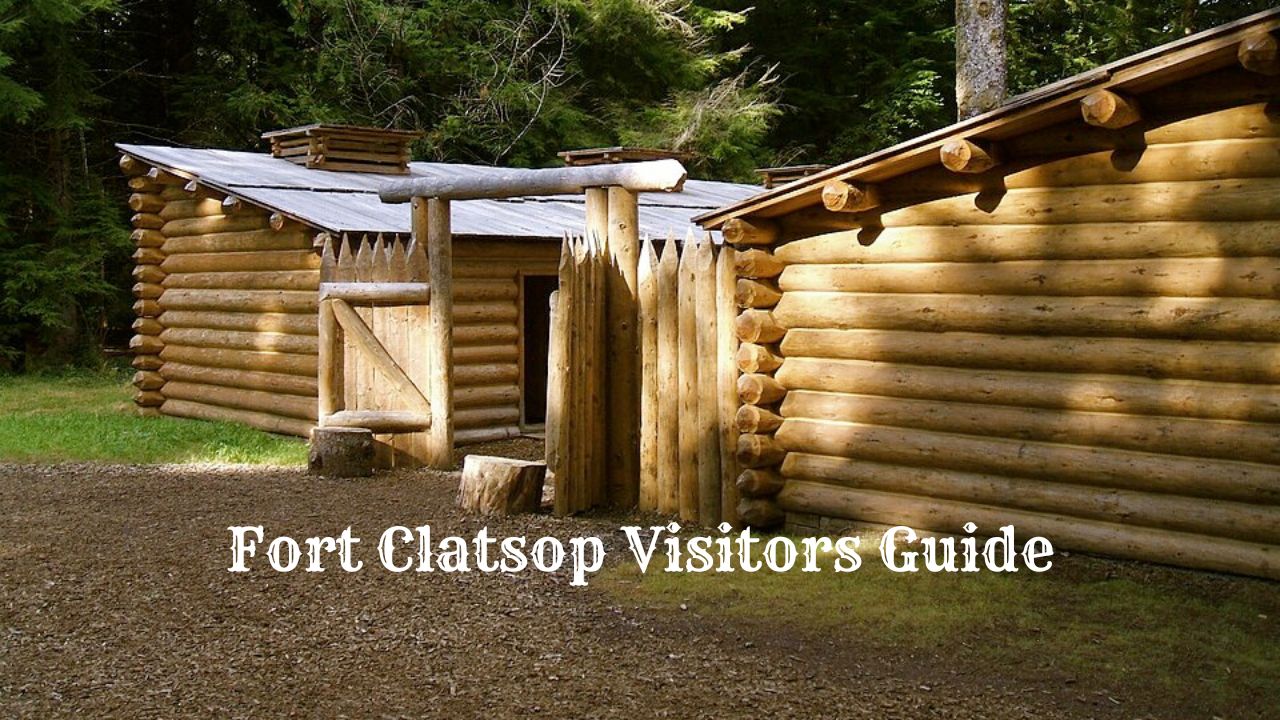
Fort Clatsop is where Lewis and Clark’s Corps of Discovery spent the winter of 1805-1806. The small fort sat near the mouth of the Columbia River, just a few miles from the Pacific Ocean.
President Thomas Jefferson dispatched the team to explore the western territory. After leaving St. Louis and crossing the Rocky Mountains, the explorers arrived in the wet Pacific Northwest.
Fort Clatsop was the expedition’s winter camp from December 1805 to March 1806, and a replica now stands in Lewis and Clark National Historical Park, about 15 minutes south of Astoria, Oregon.
The original fort was only 50 feet by 50 feet. It housed 32 men, one woman, a baby, and a dog through a winter with almost constant rain.
In this article, we cover the fort’s history and what daily life was like for the group. We also share tips for visiting Fort Clatsop, including the visitor center, the replica fort, and the hiking trails that run through the nearby Sitka spruce forest.
Fort Clatsop Visitor Information
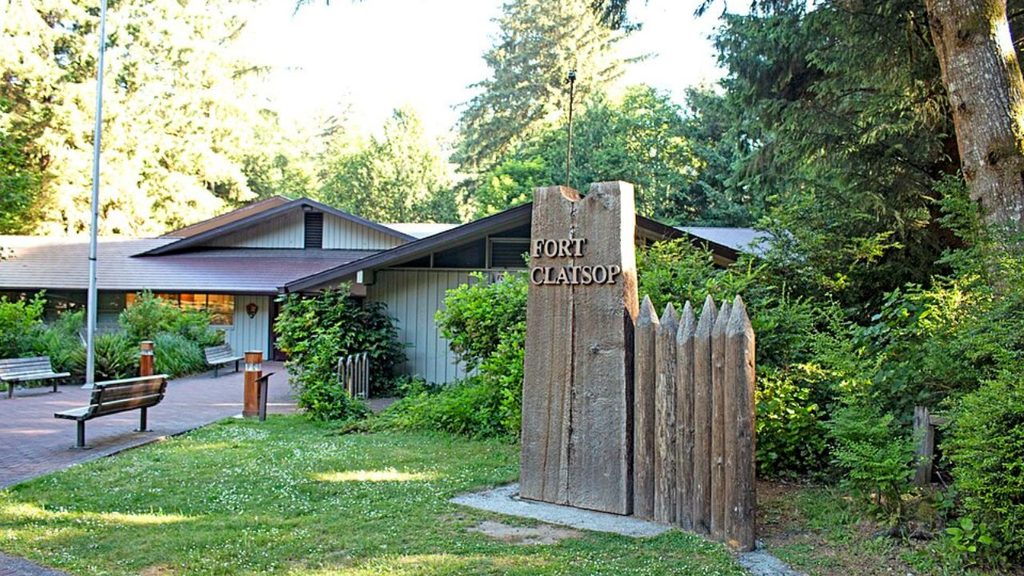
Fort Clatsop is part of Lewis and Clark National Historical Park. It sits near Astoria, Oregon, close to the mouth of the Columbia River. We suggest starting at the visitor center, where rangers collect fees and hand out trail maps.
| Detail | Information |
|---|---|
| Address | 92343 Fort Clatsop Road, Astoria, OR 97103 |
| Winter hours (early September to late June) | 9 a.m. to 5 p.m. |
| Summer hours (late June to early September) | 9 a.m. to 6 p.m. |
| Closed | Thanksgiving Day, December 24, December 25 |
| Admission | About $10 per adult (16 and older); children 15 and under are free |
| Passes accepted | America the Beautiful and other federal park passes |
Since today is October 31, 2026, winter hours are now in effect. The fort will be closed on Thanksgiving Day, November 26, 2026.
Fees can change. We recommend you check the National Park Service website before your trip.
Here is what you can expect at the site:
- Visitor center: A museum, a bookstore, and two short films about the expedition and local Native peoples
- Fort replica: A full-size copy of the 50-by-50-foot fort you can walk through
- Trails: Paths around the fort, plus the Fort to Sea Trail, which follows the same hours as the fort
- Ranger programs: Costumed rangers give demonstrations, mostly in summer
Netul Landing follows the same hours as the fort. The Salt Works site in Seaside is open during daylight hours all year.
The History of Fort Clatsop
Fort Clatsop was the winter camp of the Lewis and Clark Expedition. The group, also called the Corps of Discovery, stayed there from December 1805 to March 1806.
The site sits near the mouth of the Columbia River, about 5 miles southwest of present-day Astoria, Oregon.
President Thomas Jefferson commissioned the trek after the Louisiana Purchase in 1803. Lewis began the trip in Pittsburgh, Pennsylvania, traveling down the Ohio River to join Clark near St. Louis.
The party trained at Camp Dubois before heading up the Missouri River. After establishing earlier winter quarters at Fort Mandan, they crossed the Rocky Mountains into the Pacific Northwest.
Fort Clatsop served as their final winter quarters before turning back east.
The captains picked this site along the Columbia River estuary because it had plenty of game to hunt and was close to the ocean. Clark drew a simple plan, and the men started building in early December. They finished the fort by January 1, 1806.
The fort was about 50 feet square. It had two rows of cabins facing a small open yard. It housed 32 men, one woman (Sacagawea), her baby, and Lewis’s dog, Seaman. The officers named it after the nearby Clatsop people.
The winter was very rainy. The group spent it doing practical work:
- Hunting elk and making leather clothing
- Boiling seawater to make salt
- Recording entries in the Lewis and Clark journals and drawing maps
- Trading with local Native peoples
Before leaving on March 23, 1806, the captains gave the fort to Coboway, a helpful Clatsop leader. Over time, the original wooden fort slowly fell apart.
| Year | Event |
|---|---|
| 1805 | Fort built |
| 1806 | Expedition leaves |
| 1955 | First replica built by local residents |
| 1958 | Congress authorizes Fort Clatsop National Memorial |
| 2005 | First replica burns down |
| 2006 | Second replica completed |
Congress designated the site as Fort Clatsop National Memorial in 1958. Today, we see the grounds as part of Lewis and Clark National Historical Park, where you can walk through the replica fort.
What to See at Fort Clatsop
A visit to Fort Clatsop centers on a full-size copy of the 1805–1806 winter camp, along with summer ranger programs, museum exhibits, two films, and trails along the river and toward the Pacific Ocean.
Most people spend 1 to 3 hours here, and longer if they plan to hike.
The Fort Clatsop Replica
The Fort Clatsop replica is the main thing to see. It is a log building about 50 feet square, based on sketches and notes from the Lewis and Clark journals. It sits close to where historians think the original fort stood.
The fort has two rows of small rooms facing a narrow parade ground. You can walk into most of the rooms, including:
- The captains’ quarters, shared by Meriwether Lewis and William Clark
- The enlisted men’s rooms, where most of the crew slept
- The room for Toussaint Charbonneau, Sacagawea, and their baby
- The orderly room and the meat room, used for supplies and food
Local residents built the first replica in 1955 to celebrate the journey ordered by Thomas Jefferson. That historic reconstruction served as the centerpiece of Fort Clatsop National Memorial for decades.
A fire destroyed the replica in 2005. Dedicated volunteers built a new one in 2006, and that is the fort you see today.
Ranger-Led Living History Demonstrations
From mid-June through Labor Day, rangers in period clothing work inside and around the fort. They show how the expedition’s 33 members lived during a wet, cold winter on the coast.
Common demonstrations include:
| Demonstration | What You See |
|---|---|
| Flintlock firing | A ranger loads and fires a musket |
| Candle making | Candles made from animal fat |
| Hide tanning | Elk hides turned into leather |
| Clothing repair | Sewing moccasins and other gear |
We suggest arriving between 12:30 p.m. and 3:00 p.m. for the best chance to catch programs. Kids can also earn a Junior Ranger badge during the visit.
The Visitor Center Exhibit Hall and Films
Most people start at the visitor center. Here, you pay the entry fee, which is $5 per person for ages 16 and older. Kids 15 and under get in free, and national park passes are accepted.
The exhibit hall covers the expedition’s journey and daily life at the fort. Displays trace their challenging route up the Missouri River and over the steep Rocky Mountains. Other exhibits highlight the journey west from St. Louis.
The museum also covers the Clatsop people, who lived in the area and traded with the explorers. Touch screen videos add details about Oregon history and nature.
Two films play in the theater, and both have open captions. The site also has a bookstore and gift shop. The building is wheelchair accessible, and staff lends motor scooters for getting around inside and out to the fort.
Netul Landing and the Lewis and Clark River
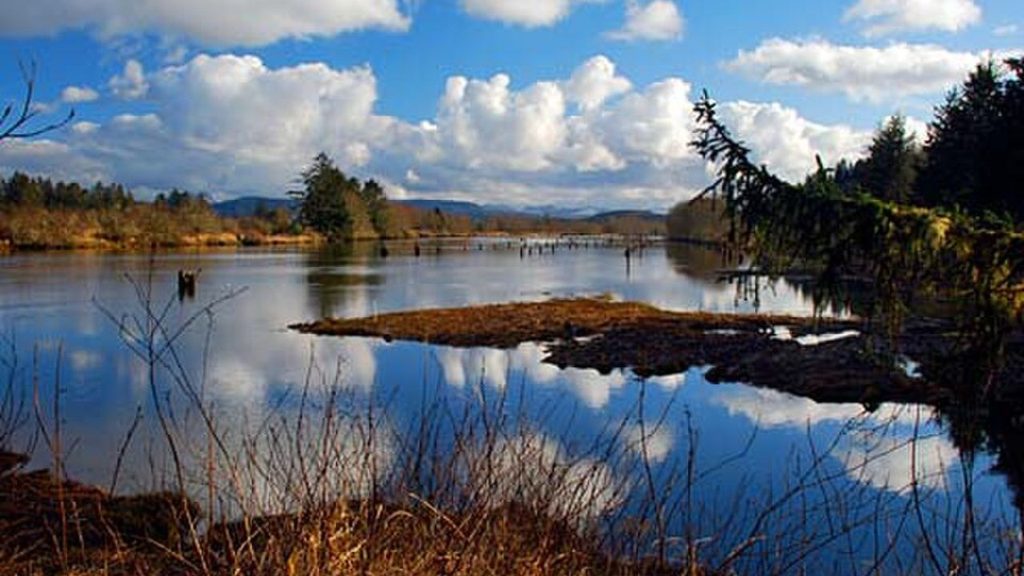
A short path leads from the fort down to a canoe landing on the Lewis and Clark River. The Clatsop people called this river the Netul. The expedition used it to travel by canoe to the Columbia River and the coast.
From there, the Netul River Trail runs about 1.5 miles one way to Netul Landing. The trail is flat and paved, so it works for wheelchairs and strollers. It passes through forest and along wetlands where you may see birds such as herons and eagles.
Netul Landing has parking, restrooms, and a picnic area. Leashed pets are allowed on the trails.
The Fort to Sea Trail
The Fort to Sea Trail is the longest hike at the park. It runs about 6.5 miles one way from the fort to Sunset Beach on the Pacific Ocean. The route follows the general path the explorers likely took to reach the coast to hunt elk and make salt.
The trail climbs through forest to an overlook on Clatsop Ridge. On a clear day, you can see toward the ocean. It then crosses the open Clatsop Plains and sand dunes before reaching the beach.
The section from the trail parking lot to the overlook is wheelchair accessible. However, gravel and steep slopes make it best for sport wheelchairs.
Because of the length, we suggest planning the full hike as a separate day or arranging a ride back from Sunset Beach.
Other Sites Within Lewis and Clark National Historical Park
Lewis and Clark National Historical Park includes several sites in Oregon and Washington besides Fort Clatsop. These places mark where the expedition made salt, waited out storms, and voted on where to spend the winter of 1805–1806.
The Salt Works (Seaside)
The Salt Works sits in the town of Seaside, Oregon, about 15 miles southwest of Fort Clatsop. In late December 1805, a small group of men set up camp here to make salt for the expedition.
The work was slow. The men boiled seawater in five large kettles over fires that burned day and night. Over about seven weeks, they made roughly 3 to 4 bushels of salt.
The salt had two main uses:
- Preserving meat for the trip home
- Seasoning food during the winter
Today, you can see a rebuilt stone furnace in a residential area near the beach. We suggest pairing this stop with a walk on the Seaside Promenade.
Cape Disappointment and Station Camp (Washington)
Station Camp is near the town of McGowan, Washington, on the north shore of the Columbia River. The expedition camped here from November 15 to 25, 1805. It was also the site of a Chinook village.
On November 24, 1805, the group voted on where to spend the winter. York, an enslaved man, and Sacagawea were both included in the vote. The group chose the south side of the river, which led to Fort Clatsop.
Cape Disappointment is a few miles west, inside Cape Disappointment State Park. Clark and some of the men reached this point in November 1805 to view the Pacific Ocean.
| Site | Key Feature |
|---|---|
| Station Camp | Location of the November 24 vote |
| Cape Disappointment | Lewis and Clark Interpretive Center |
Dismal Nitch
Dismal Nitch is on the Washington side of the Columbia River, just east of the Astoria-Megler Bridge on State Route 401. The site is now a highway rest area with signs about the expedition.
In November 1805, a strong storm trapped the expedition here for about six days. High waves and heavy rain kept the men from moving their canoes. Their food was running low, and their clothes and gear stayed wet.
William Clark called the spot “that dismal nitch” in his journal. The name stuck. The stop is short, but it shows how hard the last few miles to the ocean were.
Things to Do at Fort Clatsop
Fort Clatsop offers a mix of history, nature, and hands-on learning. Most visitors spend 1 to 3 hours here. You may need more time if you plan to hike a long trail.
Main activities include:
- Tour the fort replica. Walk through the rooms of a rebuilt fort based on the one the Corps of Discovery used in the winter of 1805–1806.
- Visit the exhibit hall. Learn about the expedition and the Clatsop and other Native peoples of the area.
- Watch the films. The visitor center shows two movies, and both have open captions.
- Join a ranger program. In certain seasons, rangers in period clothing give talks and demonstrations.
- Earn a Junior Ranger badge. This is a good option for kids.
- Shop the bookstore and gift shop.
- Have a picnic in the day-use area.
The park is also a starting point for several hiking trails:
| Trail | What to Know |
|---|---|
| Netul River Trail | Short and wheelchair accessible |
| South Slough Trail | Can be combined with the Netul River Trail as a loop |
| Kwis Kwis Trail | Longer forest hike |
| Fort-to-Sea Trail | Long route that reaches the Pacific Ocean |
We suggest visiting between mid-June and Labor Day, from about 12:30 to 3 p.m. This window gives you the best chance to see ranger demonstrations.
Leashed pets are allowed on trails and in the fort area. However, they cannot go inside the visitor center or the fort rooms. An entry fee applies to visitors 16 and older, so check current prices before you go.
Is Fort Clatsop Worth Visiting?
Yes, for most travelers, Fort Clatsop is worth a stop. We think it works best for people who enjoy history, short hikes, or family-friendly outings on the Oregon Coast.
The site marks where the Lewis and Clark Expedition spent the winter of 1805 to 1806. You can walk through a full-size replica of the fort and see how the group lived. The visitor center adds exhibits and two short films.
Who Will Enjoy It Most
| Type of Visitor | Why It Fits |
|---|---|
| History fans | Exhibits, films, and the replica fort explain the expedition |
| Families | Kids 15 and under get in free, and there is a Junior Ranger program |
| Hikers | Trails like the Netul River Trail and Fort-to-Sea Trail start here |
| Pet owners | Leashed pets are allowed on trails and in the fort area |
Things to Keep in Mind
- Cost: Entry is $5 per person for ages 16 and older. The pass lasts 7 days.
- Time needed: Plan for about 1 to 3 hours.
- Best season: Mid-June through Labor Day brings ranger programs and costumed staff.
- Weather: The area is often rainy, so bring a jacket.
If you visit outside summer, the fort may feel quieter. There may be fewer live demos. Some visitors may find the site small if they are not interested in history.
We suggest pairing it with nearby stops in Astoria or other parts of Lewis and Clark National Historical Park. It remains one of the most memorable historical sites in the Pacific Northwest.
Tips for Visiting Fort Clatsop
A little planning makes a trip to Fort Clatsop easier. We put together these tips to help you get the most from your visit.
Pack for rain. The area gets about 70 inches of rain each year, and the weather is mild but wet most of the time. A rain jacket and waterproof shoes are good choices year-round.
Start at the Visitor Center. We suggest stopping here first. The films and exhibits give helpful background before you walk to the fort replica.
Visit in summer for live demos. During the busy season, rangers dress in buckskins and show skills from the 1800s. These may include:
- Flintlock gun shooting
- Hide tanning
- Candle making
Bring the kids into the fun. Ask the front desk for the free Junior Ranger activity book. It gives children tasks to complete while they explore.
Leave time for the trails. The canoe landing and nearby hiking paths are worth seeing. Plan at least two to three hours for the whole site.
| Tip | Why It Helps |
|---|---|
| Check park alerts before you go | Trails or roads may be closed |
| Look up hours and fees | Hours change by season |
| Arrive early | Fewer crowds in summer |
Plan your route. The fort is about two hours northwest of Portland, near Astoria. Many people in our Fort Clatsop travel guide research pair it with other stops on the Oregon Coast.
Nearby Attractions
Fort Clatsop sits about 15 minutes south of Astoria. That makes it easy to pair a visit with other stops on the north Oregon Coast.
We suggest planning at least one extra stop. The table below lists some options we think are worth your time.
| Attraction | Location | What You Can Do |
|---|---|---|
| Fort Stevens State Park | Hammond, near Warrenton | See the Peter Iredale shipwreck, old military bunkers, a lake, and a military museum |
| Columbia River Maritime Museum | Astoria | Learn about ships, river history, and the Columbia River Bar |
| Flavel House Museum | Astoria | Tour a historic Victorian home |
| Astoria Column | Astoria | Climb to the top for views of the river and hills |
| Sunset Beach | South of Warrenton | Reach the west end of the Fort-to-Sea Trail |
The Fort-to-Sea Trail links Fort Clatsop to the Pacific Ocean. It is about 6.5 miles one way. The route follows the path the Corps of Discovery used during the winter of 1805–1806.
Beach towns are also close by. Here are a few we recommend:
- Seaside: Walk the promenade along the sandy shore.
- Cannon Beach: Visit the small downtown with shops and places to eat.
- Long Beach Peninsula, Washington: Drive on about 28 miles of open beach.
Local beaches also offer kite flying, clam digging, and surf perch fishing. If you plan to dig clams or fish, you should check Oregon or Washington license rules first.
Frequently Asked Questions
Fort Clatsop sits a few miles southwest of Astoria, Oregon, and is open year-round except for three holidays.
The Lewis and Clark Expedition spent about 106 rainy days here in the winter of 1805–1806, and today you can visit a 2006 replica of the fort, walk trails, and watch ranger demonstrations.
Where is Fort Clatsop located?
Fort Clatsop is in the northwest corner of Oregon. It sits about 5 miles southwest of Astoria, near the mouth of the Columbia River.
The site is the main part of Lewis and Clark National Historical Park. The visitor center address is 92343 Fort Clatsop Road, Astoria, Oregon 97103.
The park also includes other sites on both sides of the Columbia River:
- Netul Landing on the Lewis and Clark River
- The Salt Works in Seaside, Oregon
- Dismal Nitch and Middle Village in Washington
- The Fort to Sea Trail, which runs from the fort toward the ocean
- A small area at Cape Disappointment in Washington
What are the opening hours and admission fees for Fort Clatsop?
The park is open every day except Thanksgiving, Christmas Eve, and Christmas Day. Hours change by season:
| Season | Hours |
|---|---|
| Summer | 9 a.m. to 6 p.m. |
| Winter | 9 a.m. to 5 p.m. |
Admission is $10 per person for visitors 16 and older. Children 15 and under get in free. National park passes, such as the America the Beautiful pass, are also accepted.
Hours and fees can change. We suggest you check the official National Park Service website before your trip.
How long did Lewis and Clark stay at Fort Clatsop?
The expedition stayed at Fort Clatsop for about 106 days. They arrived in early December 1805 and left for home on March 23, 1806.
It rained a lot that winter. Sergeant Patrick Gass wrote that it rained on all but 12 days of their stay. Only 6 days were sunny.
The damp Pacific Northwest climate was a difficult adjustment after traveling along the Missouri River.
What happened at Fort Clatsop during the Lewis and Clark Expedition?
The group needed a place to wait out the winter until snow in the Rocky Mountains melted. Local Clatsop people told them the south side of the Columbia River was a better place to camp. The men built the fort there and named it after the Clatsop.
Thirty-three people lived at the fort, plus one dog. The group included:
- Captains Meriwether Lewis and William Clark
- Three sergeants and 23 privates
- York, an enslaved man owned by Clark
- Interpreters George Drouillard, Toussaint Charbonneau, and Sacagawea
- Sacagawea’s baby, Jean Baptiste Charbonneau
- Seaman, Lewis’s Newfoundland dog
During the winter, the men did several main tasks:
- Hunted elk for food and for skins to make new clothes
- Made salt by boiling ocean water at a camp near present-day Seaside
- Traded with the Clatsop and Chinook people
- Wrote journals about plants, animals, and people they had seen
- Made maps, including Clark’s map of the route from Fort Mandan to Fort Clatsop
President Thomas Jefferson asked the leaders to keep detailed scientific records. The crew spent months preparing their notes before beginning the trek back to St. Louis.
Does the original Fort Clatsop still exist?
No. The original fort rotted away soon after the expedition left.
A replica was built in 1955 based on Clark’s sketch. It burned down in an accidental fire on October 3, 2005. The current replica was rebuilt in 2006.
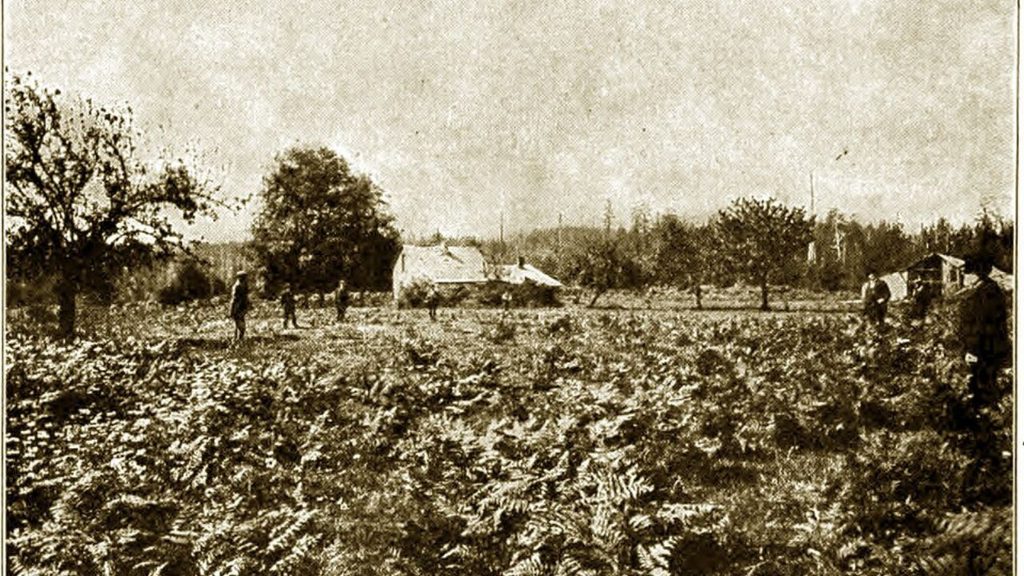
We know the general location because Clark’s maps were very detailed. Fur traders and early settlers also wrote about the ruins. In 1901, the Oregon Historical Society placed a marker at the site based on their accounts, preserving this chapter of Oregon history.
Congress later established Fort Clatsop National Memorial to safeguard the grounds.
What are the main things to see and do at Fort Clatsop?
You can do plenty in a half-day visit. Here are the activities we recommend:
- Tour the fort replica. You can walk through the small log rooms where the men lived.
- Watch ranger programs. In summer, rangers in buckskin show flintlock shooting, hide tanning, and candle making.
- Visit the exhibits. The visitor center has displays and films about the expedition and the Clatsop people.
- Hike the trails. The Netul River Trail and the 6.5-mile Fort to Sea Trail start near the fort.
- Take an audio tour. The official NPS app has two free tours of the fort and the Netul River Trail.
- Go fishing. Park streams and rivers are open to sport fishing with a valid license.
Leashed dogs are welcome on most trails but not inside the fort rooms. Bikes are only allowed on part of the Fort to Sea Trail. Drones and camping are not allowed.

Cory is a website owner and content creator who enjoys fishing, history, coin collecting, and sports, among other hobbies. He is a husband and father of four.
Romans 15:4 For whatever was written in former days was written for our instruction, that through endurance and through the encouragement of the Scriptures we might have hope.