

Fort Ticonderoga is one of New York’s most significant Revolutionary War sites. It sits between Lake Champlain and Lake George in the Adirondack region.
This 18th-century fortification witnessed the first American victory of the Revolutionary War on May 10, 1775. It also played a vital role in the French and Indian War and the fight for independence.
Today, Fort Ticonderoga operates as a private, non-profit museum and National Historic Landmark. Over 75,000 visitors come each year.
Fort Ticonderoga is worth visiting if you appreciate American history or enjoy living history demonstrations. You can explore a well-preserved colonial fort with stunning views of the surrounding lakes and mountains.
The site offers daily programs, weapon demonstrations, museum exhibits, guided tours, and boat cruises on the historic Carillon vessel. You can walk the same grounds where Ethan Allen, Benedict Arnold, and other notable figures made history.
This guide covers everything you need to plan your visit. You’ll find ticket information, operating hours, and highlights of the top attractions within the fort.
Learn about the historical significance of this landmark and discover activities and tips to make the most of your time at the “Gibraltar of North America.”
Book Your Stay Near Fort Ticonderoga
Quick Visitor Information
Fort Ticonderoga is located at the northern end of Lake George and the southern tip of Lake Champlain in Ticonderoga, New York. It operates as a living history site with daily programming and interactive experiences.
Getting There
The fort sits in the Adirondack region of New York State. You can access it from major routes in the Lake George and Lake Champlain area.
What to Expect
Fort Ticonderoga offers a multi-faceted experience, including:
- Restored stone star fort tours
- Museum exhibits
- Living history demonstrations
- Narrated boat cruises on Lake Champlain (seasonal)
- Interactive programs and special events
Planning Your Visit
Arrive early to enjoy the morning serenity and explore the grounds before crowds arrive. You can complete a basic tour in a few hours, but a full day lets you experience museum exhibits, special programs, and seasonal activities.
The fort provides an educational experience suitable for history enthusiasts and families. The site focuses on the Revolutionary War period, especially the 1775 capture by Ethan Allen and Benedict Arnold’s forces.
Nearby Amenities
Several restaurants are within a 5-minute walk from the visitor center. The location between two lakes in New York State provides scenic views throughout your visit.
Every day features different programming, and the fort introduces new activities and exhibits each season. Check their current schedule when planning your trip to see what special programs or events align with your visit dates.
Book Your Flight to Fort Ticonderoga
The History Of Fort Ticonderoga
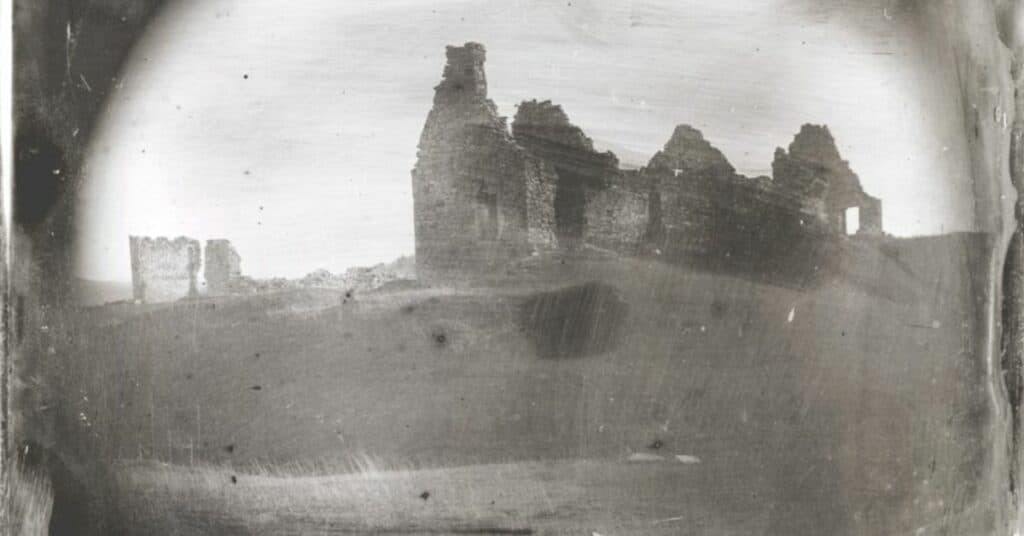
The French built Fort Ticonderoga between 1755 and 1758, originally naming it Fort Carillon. Its location above the narrow passage between Lake Champlain and Lake George made it a critical strategic point along the major north-south water route of the 18th century.
The name “Ticonderoga” comes from an Iroquois word meaning “between two waters” or “where the waters meet.” When the British took control, they adopted this name, and it has remained Fort Ticonderoga ever since.
Key Historical Moments:
- May 10, 1775 – American forces captured Fort Ticonderoga in the first American victory of the Revolutionary War
- 1775-1777 – The fort served as an important staging ground for American military operations
- July 6, 1777 – British forces recaptured the fort during their march to Saratoga
The fort earned its reputation as the “Gibraltar of North America” due to its strategic importance. French and British powers competed for control of this location throughout the 18th century, recognizing it as the “key to the continent.”
During the Revolutionary War, the fort changed hands twice. After the initial American capture in 1775, it remained under American control until the British recaptured it in 1777.
The site played a vital role in the Saratoga campaign, which became a turning point in the war. Today, you can explore the restored stone star fort and experience its history through educational programs and artifact collections from the French colonial period through the Revolutionary War era.
What To See At Fort Ticonderoga
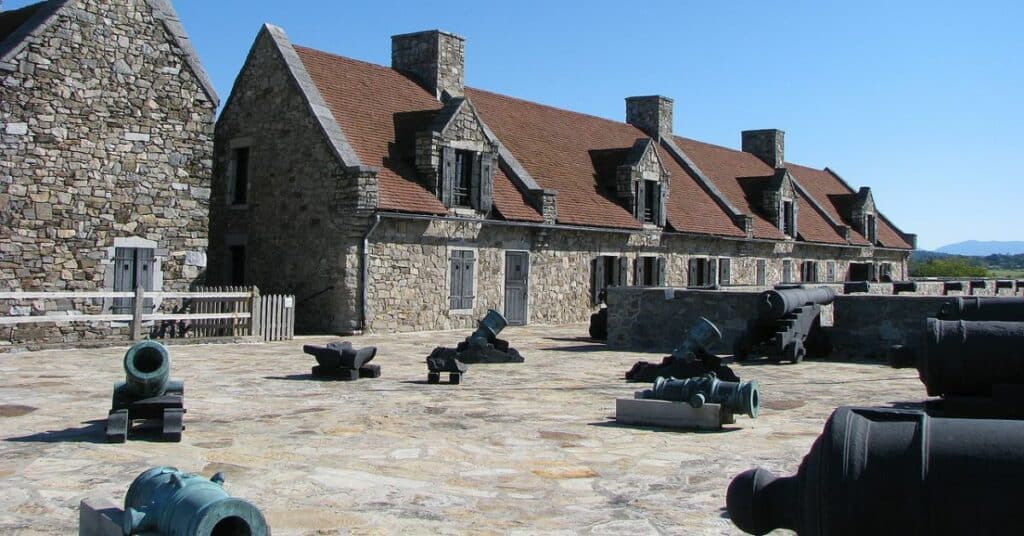
Fort Ticonderoga features attractions across its 2,000-acre historic site. You can visit restored 18th-century fortifications and see North America’s largest collection of Revolutionary War-era artillery.
The exhibits and outdoor spaces provide insight into military life during the French and Indian War and American Revolution.
The Reconstructed Fort
The fort stands as a National Historic Landmark, originally built in the 18th century and reconstructed in the 20th century. You can walk through the stone star fort design that earned it the nickname “Gibraltar of North America.”
The fort’s four bastions are connected by thick stone walls that protected soldiers during sieges. Inside, you’ll find furnished barracks, officers’ quarters, and military rooms arranged as they appeared during active service.
The rooms contain period furnishings and equipment that show how soldiers lived during the colonial era. You can explore multiple levels of the fort, including powder magazines and guard posts along the ramparts.
The fort’s strategic position overlooking Lake Champlain becomes clear as you walk the grounds. This location made it a critical stronghold during conflicts between French, British, and American forces.
Cannons And Defensive Walls
Fort Ticonderoga houses North America’s most significant 18th-century artillery collection. The cannons throughout the fort represent various types used during the Revolutionary War period.
You’ll see both French and British artillery pieces used in battle. The defensive walls stretch around the fort, with bastions at each corner providing overlapping fields of fire.
You can walk along the ramparts to see how defenders positioned themselves during attacks. The walls reach several feet thick in places, built to withstand cannon fire from attacking forces.
Interpretive signs explain the function of different artillery pieces and defensive positions. The collection includes field guns, mortars, and swivel guns used for different tactical purposes.
Living History Demonstrations
Daily weapon demonstrations bring the fort’s military history to life. Costumed interpreters in period uniforms demonstrate musket firing, cannon operation, and military procedures from the 18th century.
These programs run throughout the day during the visitor season. You can participate in hands-on family activities that teach colonial-era skills.
The interpreters answer questions about military tactics and daily routines. Special battle reenactments occur on select dates throughout the year.
The living history programs vary by season and day. Morning arrivals typically offer the most opportunities to interact with interpreters.
The King’s Garden
The King’s Garden recreates a formal 18th-century military garden within the fort grounds. This colonial revival garden contains vegetables, herbs, and flowers grown during the fort’s active years.
The garden served both decorative and practical purposes, providing fresh produce for officers. You’ll find geometric beds laid out in traditional patterns typical of military garrison gardens.
Heritage plant varieties include those documented in historical records from the fort. The garden demonstrates how military installations maintained self-sufficiency in remote locations.
The Museum Exhibits
Museum exhibitions occupy several buildings within the fort complex. The exhibits display artifacts from archaeological excavations, military equipment, personal items belonging to soldiers, and documents from the Revolutionary War period.
You’ll see uniforms, weapons, maps, and correspondence that tell the story of the fort’s role in American history. The collections include items related to both famous figures like Ethan Allen and Benedict Arnold, and ordinary soldiers who served at the fort.
Rotating exhibits ensure repeat visitors encounter new material. The museum maintains professional standards for artifact preservation and interpretation.
Display cases contain fragile items like paper documents, textiles, and small personal objects. The exhibits explain the fort’s capture in 1775 by the Green Mountain Boys, making it America’s first victory in the Revolution.
Mount Defiance
Mount Defiance rises above Fort Ticonderoga and played a crucial role in the fort’s eventual fall to British forces. Access to Mount Defiance is included with your Fort Ticonderoga admission ticket.
The summit provides panoramic views of Lake Champlain, Lake George, and the surrounding Adirondack region. A road leads to the top where interpretive displays explain the mountain’s military significance.
British forces positioned artillery here in 1777, forcing American defenders to abandon the fort below. The elevation made the fort’s position untenable once cannons reached the summit.
The views from Mount Defiance help you understand the strategic importance of controlling this corridor between the lakes. On clear days, you can see for miles across the waterways that served as highways during the colonial period.
Things To Do At Fort Ticonderoga
Fort Ticonderoga offers a variety of activities that bring Revolutionary War history to life. You can explore the restored fort, watch live demonstrations, and participate in interactive programs throughout the day.
Historical Reenactments and Demonstrations are a major draw. Actors in period costume recreate colonial life and battle scenes, giving you a firsthand look at 18th-century military operations.
Weapon demonstrations showcase muskets and cannons used during the Revolutionary War. The fort’s museum exhibits house collections of weapons, tools, and personal items from the colonial era.
You can examine artifacts that tell the story of the soldiers and families who lived at this military post. Carillon Boat Cruises provide a different perspective of the area.
This 1920s tour boat takes you on narrated cruises around the waterways, highlighting the region’s maritime history and scenic beauty. For outdoor enthusiasts, Mount Defiance is accessible with your fort admission ticket.
The site offers panoramic views that show why this location held such strategic importance during the Revolutionary War. Guided historical tours are available to explain the military significance of the terrain.
The fort also features:
- Walking tours through historic landscapes
- Hands-on family activities
- Special thematic tours
- Gardens and grounds to explore
- Educational programs about the French and Indian War and American Revolution
You can spend several hours or an entire day experiencing the attractions. Arriving early lets you enjoy the grounds before they become crowded and gives you time to participate in multiple programs.
Is Fort Ticonderoga Worth Visiting?
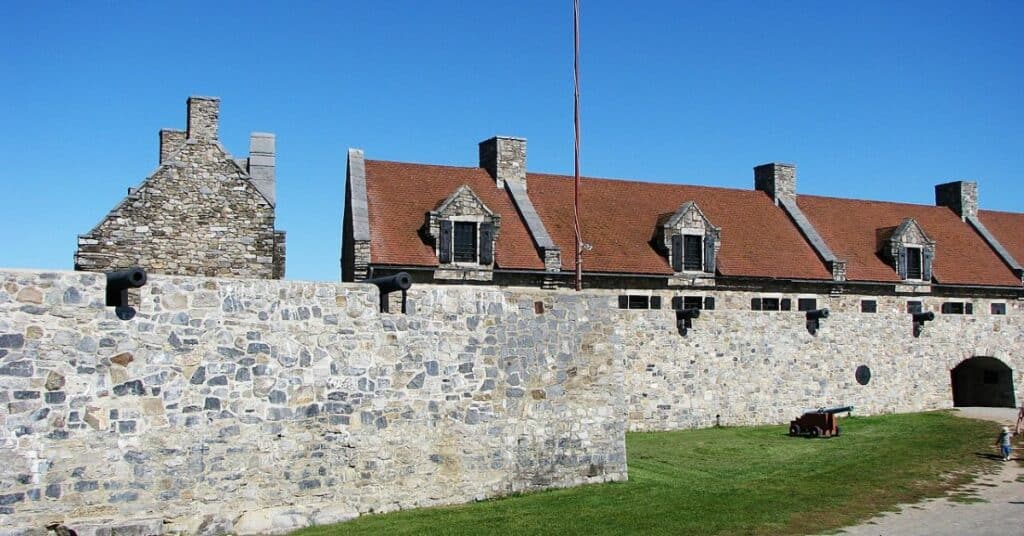
Fort Ticonderoga is a compelling destination for history enthusiasts and families. It operates as a private, non-profit educational institution and welcomes over 75,000 visitors annually.
The fort provides authentic living history demonstrations that bring the French and Indian War and Revolutionary War periods to life. You’ll see skilled interpreters demonstrating period crafts such as tailoring and shoemaking, along with engaging weapon demonstrations.
What makes the visit worthwhile:
- Stunning location between Lake George and Lake Champlain with scenic natural beauty
- Extensive museum collections and exhibits
- Interactive demonstrations and educational programs
- Well-preserved 18th-century military architecture
- Access to the Carillon, a classic 1920s tour boat for narrated lake cruises
The fort is designated a National Historic Landmark, reflecting its significance in American history. The site was originally built in 1755 and underwent extensive renovation in the 20th century.
Your ticket purchase directly supports the preservation and educational mission of this historic site. If you’re traveling through the Ticonderoga area or the Adirondacks region, the fort ranks among the top attractions worth your time.
You don’t need to be a history expert to appreciate what Fort Ticonderoga offers. The site is accessible to visitors with varying interests and knowledge levels.
Tips For Visiting Fort Ticonderoga
Plan to spend at least one full day at Fort Ticonderoga. The fort offers many programs, exhibits, and activities that take several hours to explore.
Arrive early in the morning to enjoy the fort during its quieter hours. This lets you experience the grounds before the crowds arrive and enjoy cooler temperatures in summer.
Essential Items to Bring:
- Comfortable walking shoes for exploring ramparts and grounds
- Water bottle and snacks
- A camera for capturing views of Lake Champlain
- Sunscreen and a hat for outdoor areas
- Cash for gift shop purchases
Check the schedule for daily demonstrations before you visit. The fort holds regular cannon and musket demonstrations that show 18th-century military life.
Seasonal reenactments take place at certain times of the year.
Take a boat cruise on Lake Champlain for a unique view of the fort from the water. This experience offers excellent photo opportunities.
Review the site map before arriving. Planning ahead helps you see your preferred attractions.
Visitor Recommendations:
- Allow 4-6 hours for a thorough visit
- Visit King’s Garden during your trip
- Participate in guided tours when available
- Explore the museum collections inside the fort
If you want to experience everything at the fort, consider a two-day visit.
Nearby Attractions
Mount Defiance is a significant site near Fort Ticonderoga. Your admission to the fort includes access to this landmark.
The summit offers panoramic views of Lake Champlain and the Green Mountains of Vermont.
Lake Champlain provides many recreational opportunities. You can enjoy boating, fishing, and scenic drives along the waterfront.
The lake’s natural beauty enhances your historical exploration of the fort.
The town of Ticonderoga features several attractions:
- Downtown Ticonderoga – Local shops and dining options along Montcalm Street
- Ticonderoga Area Chamber of Commerce – Visitor information center with helpful staff
- Lake Champlain shoreline – Scenic views and photo opportunities
- Adirondack Mountains – Hiking trails and nature experiences nearby
The Adirondack region offers more hiking trails, scenic overlooks, and natural attractions within a short drive. The area appeals to travelers interested in both history and outdoor recreation.
If you plan to explore beyond Fort Ticonderoga, visit the Chamber of Commerce visitor center for information about local attractions. Their staff can help you plan activities based on your interests and schedule.

Cory is a website owner and content creator who enjoys fishing, history, coin collecting, and sports, among other hobbies. He is a husband and father of four.
Romans 15:4 For whatever was written in former days was written for our instruction, that through endurance and through the encouragement of the Scriptures we might have hope.