
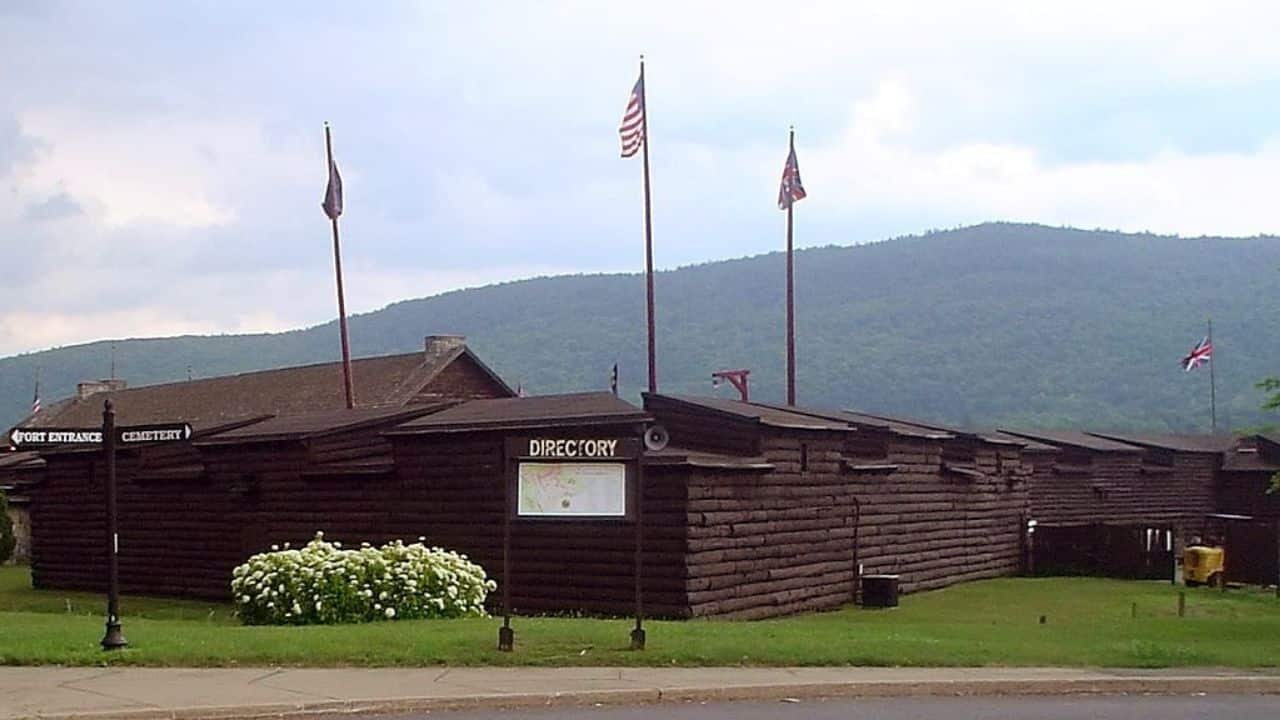
Fort William Henry is a reconstructed colonial fortress on the southern shore of Lake George, New York. It offers visitors an immersive journey into the French and Indian War era of 1755-1757.
This historic military outpost played a key role in the struggle between British and French forces for control of the region. Today, it serves as an educational museum and an engaging attraction with live demonstrations and interactive tours.
The fort is open seasonally from May through October. It features daily musket and cannon firing demonstrations, guided tours with costumed interpreters, and exhibits detailing life at the outpost during colonial America’s turbulent times.
You’ll walk the same grounds where soldiers once lived and fought, experiencing the hardships of frontier military life. These events inspired James Fenimore Cooper’s “The Last of the Mohicans.”
Whether you love history, travel with family, or explore the Lake George area of New York State, Fort William Henry connects you to the history of the American colonies. Live demonstrations, period artifacts, and knowledgeable guides create an experience beyond a typical museum visit.
BOOK YOUR STAY NEAR FORT WILLIAM HENRY
Fort William Henry Visitor Information
Fort William Henry stands at the southern shore of Lake George, New York, on the site of the original French and Indian War fort from 1755 to 1757.
Location & Contact
- Address: 48 Canada St., Lake George, NY 12845
- Location: Southern end of Lake George Village (Route 9)
- Phone: (518) 668-5471
- Email: info@fortwilliamhenry.com
- Website: https://www.fwhmuseum.com/
Operating Season
The museum operates seasonally from April through early November. Spring hours vary, so check their website or call ahead for current schedules before your visit.
Admission Details
Your admission ticket grants access for two consecutive days. This policy lets you explore the fort at your own pace or return for programs you might have missed.
What to Expect
Living History Tours and Military Presentations are the main focus of your visit. Guides lead you through reconstructed fort buildings and share stories from the French and Indian War period.
You’ll meet costumed interpreters portraying British Regulars, Provincial Troops, Rangers, Native Americans, and Sutlers. Daily black powder musket and cannon demonstrations bring military history to life.
Historical exhibits throughout the fort provide more context about life at this outpost.
Special Programs
Haunted History Ghost Tours run on select dates for those interested in the fort’s darker stories. Download the Fort William Henry mobile app on iOS or Google Play to enhance your visit.
Nearby Activities
The Lake George area offers lake cruises, museums, and other historical sites within easy reach of the fort.
The History of Fort William Henry
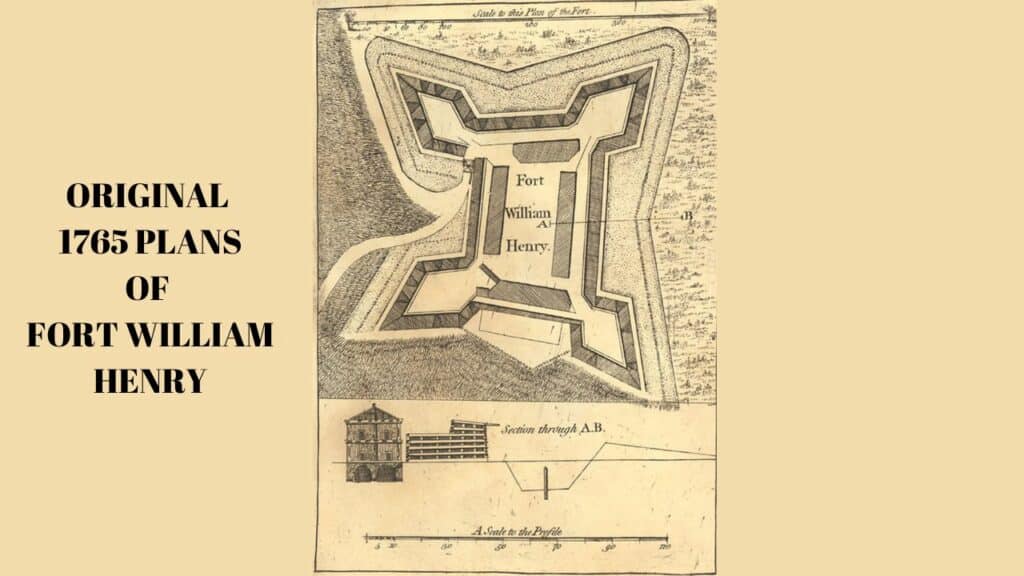
Fort William Henry was built in September 1755 under orders from Sir William Johnson during the French and Indian War. The British constructed this fort at the southern end of Lake George as a staging ground for attacks against the French at Fort St. Frédéric.
The fort acted as a critical British outpost, defending against French forces and their Native American allies. Its most significant moment came during the 1757 siege, when French and Native American forces attacked the fort.
This event led to a tragic massacre after the British surrendered. James Fenimore Cooper later immortalized this in his 1826 novel The Last of the Mohicans.
Key Historical Facts:
- Built: 1755
- Purpose: British fortification and staging ground
- Location: Southern end of Lake George
- Major Event: 1757 siege and surrender
- Cultural Impact: Backdrop for The Last of the Mohicans
After the siege, the British did not rebuild the original fort. The current structure is a post-World War II reconstruction created to support Lake George tourism.
The reconstructed fort shows how soldiers lived, fought, and survived at this outpost. You’ll discover the real history behind the events Cooper dramatized, though film adaptations have added inaccuracies to the story.
What to See at Fort William Henry
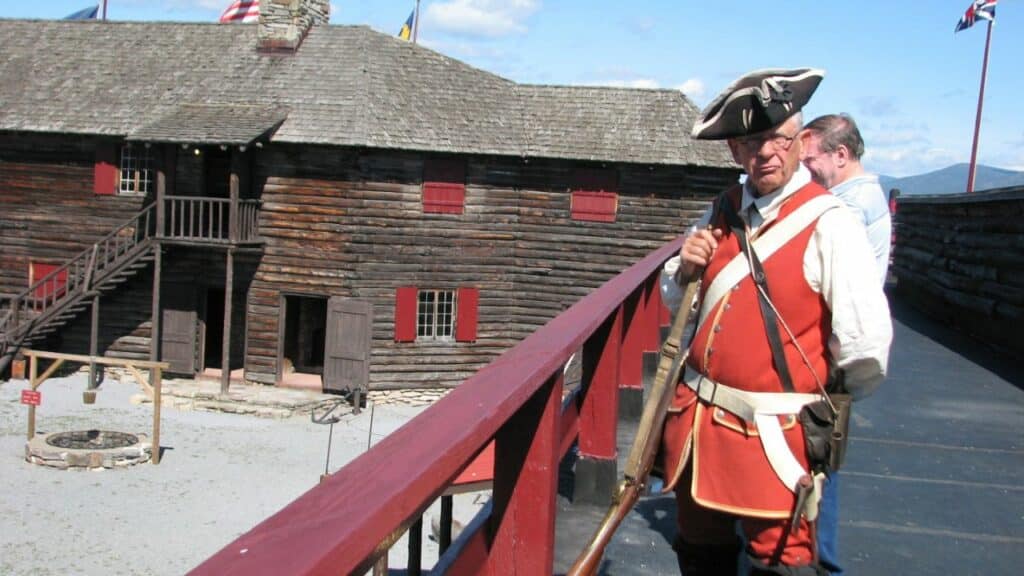
bobistraveling, CC BY 2.0 https://creativecommons.org/licenses/by/2.0, via Wikimedia Commons
Fort William Henry offers a reconstructed 18th-century British fort. You can explore military structures, watch live demonstrations, and see artifacts from the French and Indian War era.
The site combines outdoor fortifications with indoor exhibits for an immersive experience.
The Reconstructed Fort
The fort stands on its original 1750s site at the southern shore of Lake George. You’ll find a recreation of the British military outpost that played a significant role during the war.
The reconstruction matches the fort’s original design and layout. Walking through the main gates, you enter a military compound built to house troops and defend British interests.
The fort’s strategic position overlooking Lake George shows why the British chose this location. The exterior grounds highlight the fort’s defensive architecture and planning.
You can walk the perimeter to see how soldiers defended the outpost against French and Native American forces.
Barracks and Interior Buildings
Inside the fort walls, you’ll find reconstructed buildings that housed British soldiers. The barracks show where troops slept, ate, and spent time between duties.
Interior structures include officers’ quarters, enlisted men’s barracks, and support buildings. Each building features period furnishings and equipment that illustrate daily life for soldiers.
You can see sleeping arrangements, cooking areas, and storage facilities that sustained the garrison. Some buildings also show where sutlers (merchants) sold goods to soldiers.
These spaces help you understand the full ecosystem of fort life, beyond military operations.
Cannons and Defensive Walls
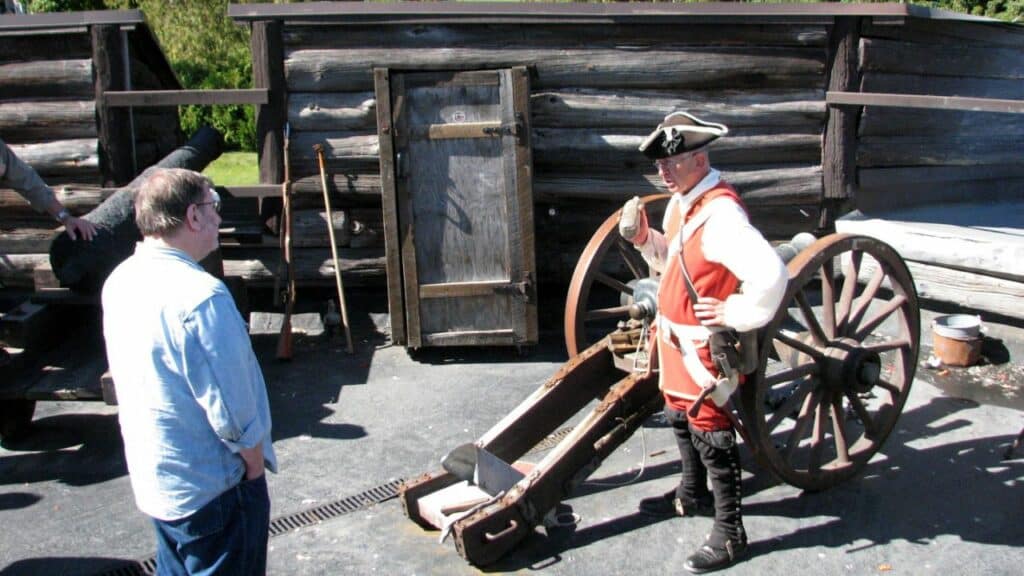
The fort offers daily cannon demonstrations during the operating season. These black powder demonstrations show how artillery was loaded, aimed, and fired during the war.
The defensive walls have bastions and firing positions to protect the fort from attack. You can climb to vantage points along the walls to see how soldiers monitored threats and defended their position.
The fortifications include multiple levels for different types of weapons. Musket firing demonstrations also take place regularly.
These presentations explain the weapons technology of the era and the tactics British regulars, provincial troops, and rangers used in combat.
Guided Tours and Demonstrations
Guides lead you through the fort, sharing accounts of military strategy, survival, and events leading to the famous siege and massacre. Living history tours feature interpreters dressed as British Regulars, Provincial Troops, Rangers, Native Americans, and sutlers.
These presentations feature military drills, camp life, and interactions among soldiers. Guides explain the real history behind events popularized in Cooper’s “Last of the Mohicans,” separating fact from fiction.
You can interact with interpreters who remain in character and answer questions about their roles. Demonstrations occur throughout the day, so you can catch multiple presentations during your visit.
Museum Exhibits
The museum displays artifacts recovered from the original fort site and the surrounding area. You’ll see weapons, tools, personal items, and military equipment used during the French and Indian War.
The exhibits provide context about the broader conflict between British and French forces in North America. Display cases feature military uniforms, trade goods, and everyday objects from the 1750s.
Panels and interpretive materials explain the fort’s role in colonial military operations. Exhibits also address the 1757 siege and the events that led to the fort’s destruction.
Archaeological findings help verify historical accounts and reveal details about life at the fort that written records miss.
Things to Do at Fort William Henry
Living History Tours are the centerpiece of the Fort William Henry experience. Guides lead you through the reconstructed fort, showing what daily life was like for soldiers during the French and Indian War.
You can watch black powder musket and cannon demonstrations daily during the operating season. These presentations showcase authentic military tactics and weaponry used by British forces.
During your visit, you’ll meet historical interpreters portraying:
- British Regulars
- Provincial Troops
- Rangers
- Native Americans
- Sutlers (merchants)
The fort features exhibits and displays explaining the real history behind the 1757 siege and massacre, events depicted in Cooper’s The Last of the Mohicans. Museum presentations separate fact from fiction.
Haunted History Ghost Tours are available on select dates, offering a different perspective on the fort’s past. These evening tours explore the site’s supernatural stories and eerie history.
Your admission ticket is valid for two consecutive days. You can download the Fort William Henry app on iOS or Android for extra information during your visit.
The fort operates seasonally from May through October. Living history presentations and military demonstrations run throughout the day during open hours.
Is Fort William Henry Worth Visiting?
Fort William Henry offers a memorable experience for history enthusiasts and families visiting Lake George. The reconstructed fortress provides insights into the French and Indian War era, with guides in period uniforms demonstrating musket and cannon firing.
What makes the fort worthwhile:
- Live military demonstrations bring 18th-century warfare to life
- Guides in period costume share detailed historical context
- Self-guided exhibits feature artifacts from the 1750s
- Connection to the real events behind The Last of the Mohicans
- The Sutler Shoppe offers history-themed souvenirs (no admission required)
The fort operates seasonally from May through October. You’ll walk through barracks, examine weaponry, and learn about daily soldier life at this outpost.
The demonstrations are engaging, offering visual and auditory experiences that static displays cannot match. Some visitors mention the site’s small size and admission cost, but you can explore the fort and exhibits in 1-2 hours.
The experience centers on guided storytelling and live demonstrations. If you’re interested in colonial American history or the French and Indian War, the fort offers educational value.
Families with children often enjoy the hands-on demonstrations and costumed interpreters more than traditional museums. The location at Lake George’s southern shore also makes it easy to visit other area attractions.
Tips for Visiting Fort William Henry
Plan your visit between May and October when the fort is open. The museum operates seasonally, so check ahead if you’re traveling during spring or fall.
Arrive early to enjoy the full guided tour with costumed guides. The 18th-century interpreters explain daily soldier life and the fort’s role in the French and Indian War.
Time your visit to catch the cannon and musket demonstrations, which happen daily during operating season. Wear comfortable shoes since you’ll be exploring outdoor grounds and indoor exhibits.
What to Bring:
- Camera for reenactments
- Comfortable clothing
- Sunscreen and hat for outdoor areas
- Cash for the Sutler Shoppe (cards usually accepted)
The self-guided portion lets you move at your own pace through exhibits and artifacts. Budget at least two hours for your visit, though history fans may want more time.
The Sutler Shoppe is open to the public even without fort admission and offers period replicas, local history books, and Lake George souvenirs.
Consider booking tickets in advance, especially during the summer when Lake George is busy. The fort is at the southern end of Lake George, near the Fort William Henry Hotel and Lake George Steamboat Company.
Nearby Attractions
The Lake George area surrounding Fort William Henry offers many activities and sites. The fort sits on the southern shore of Lake George, allowing you to explore the broader region.
Lake George Village sits next to the fort and features shops, restaurants, and lakefront attractions. You can join several boat tours and lake cruises that leave from nearby docks.
The village also has an arcade district and mini-golf courses.
Popular nearby attractions include:
- Lake George Steamboat Company cruises
- Prospect Mountain with scenic overlook
- Lake George Battlefield Park
- The LAKE Theatre
- Adirondack Winery Tasting Room
- Million Dollar Beach public swimming area
Fort William Henry Hotel connects directly to the museum property. You can stay here for convenient lodging if you want to join evening ghost tours or paranormal investigations.
The downtown area has easy walking access to several museums and historical markers about the French and Indian War. You’ll find interpretive signs throughout the village that describe the 1757 siege and its aftermath.
For outdoor activities, the region offers hiking trails and water sports rentals. You can also fish on Lake George.
The lake stretches 32 miles north and has over 170 islands to explore by boat.
Several attractions open seasonally, with peak availability from May through October. Check current hours for specific sites when planning your trip.

Cory is a website owner and content creator who enjoys fishing, history, coin collecting, and sports, among other hobbies. He is a husband and father of four.
Romans 15:4 For whatever was written in former days was written for our instruction, that through endurance and through the encouragement of the Scriptures we might have hope.