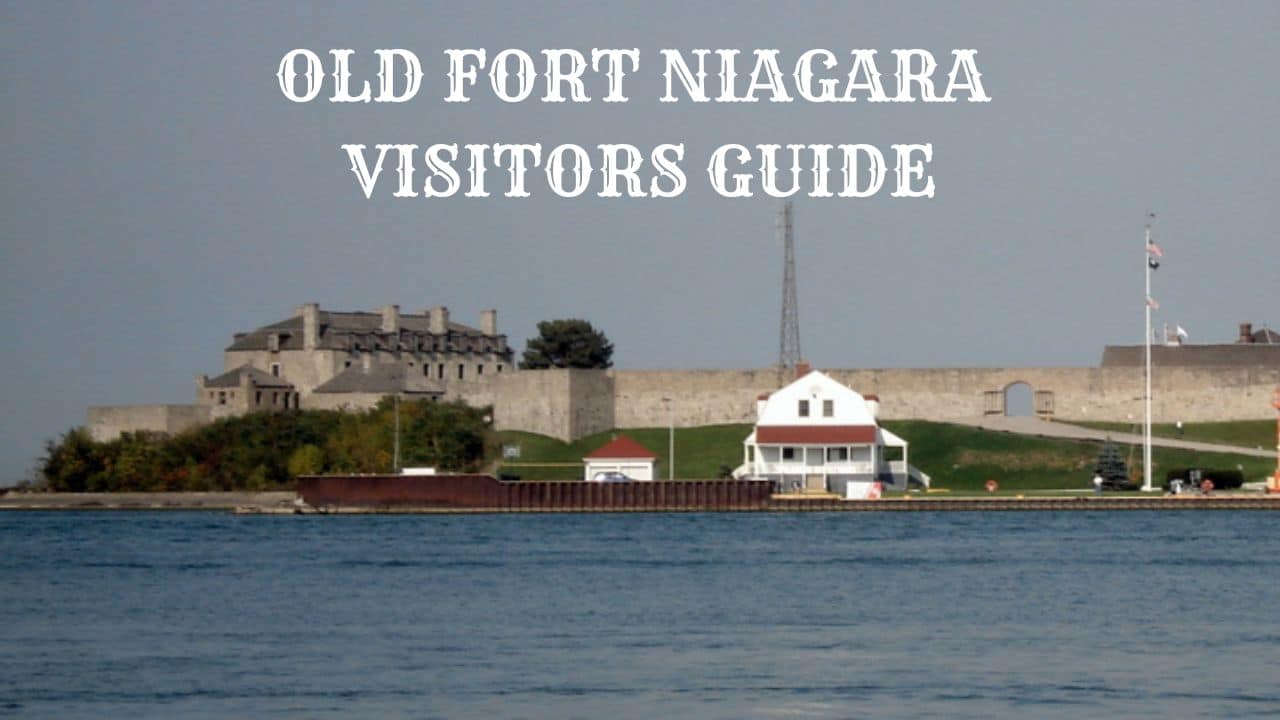
Old Fort Niagara stands at the mouth of the Niagara River in Youngstown, New York. For over 300 years, it has guarded the entrance to the Great Lakes.
This living history site features original 18th-century stone buildings built by French and British forces. These structures are some of the oldest in the Great Lakes region.
The fort opens daily at 9:00 AM. Ticket sales end at 4:30 PM or at 6:30 PM during July and August.
You’ll find this fort just minutes from Niagara Falls. It makes an ideal addition to your regional itinerary.
The site brings history to life through daily interpretive programs and living history demonstrations. Well-preserved fortifications tell the story of three nations that occupied this strategic location.
BOOK YOUR STAY AND FLIGHT HERE
Quick Visitor Information
Location: Old Fort Niagara sits at the mouth of the Niagara River in Youngstown, New York, where it meets Lake Ontario.
Physical Address: 102 Morrow Plaza, Youngstown, NY 14174
Phone: (716) 745-7611
Website: https://www.oldfortniagara.org/
Hours of Operation:
- Daily: 9:00 AM with ticket sales ending at 4:30 PM
- July and August: Ticket sales extend until 6:30 PM
Historical Significance: The fort features original 18th-century stone buildings constructed by the French and British. Over 300 years of history unfolded here as France, Great Britain, and the United States occupied the site.
The buildings you see are the oldest structures in the Great Lakes region.
What You’ll Experience:
- Original 18th-century stone fortifications
- Living history programs and daily interpretive demonstrations
- Views of Lake Ontario and the Niagara River
- Access to three centuries of military history
Getting There: The fort is a short drive from Niagara Falls and Buffalo, New York. The Discover Niagara Shuttle provides direct service to the site.
Park Access: Fort Niagara State Park surrounds the historic fort. The park offers recreational opportunities, including beach access on Lake Ontario.
The fort controlled strategic access to the Great Lakes and the westward route into the continent’s interior. This made it a critical military position for centuries.
History of Fort Niagara
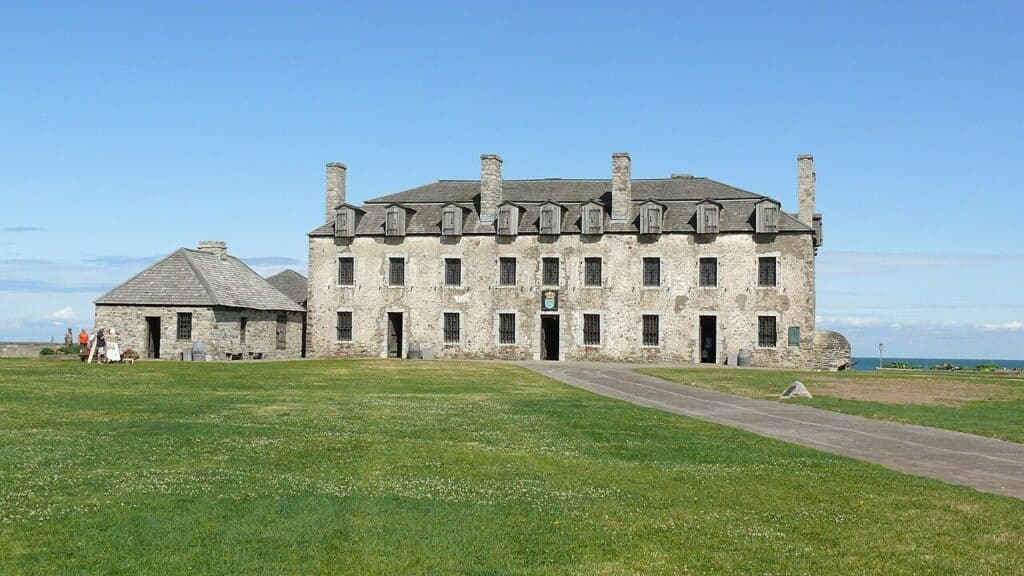
Old Fort Niagara’s location at the mouth of the Niagara River made it one of the most contested military positions in North America. The fort controlled access to the Great Lakes and the westward route into the continent’s interior.
Three nations occupied this site for more than 300 years. France established the first fortification, followed by Great Britain, and finally the United States.
Each nation recognized the fort’s value in controlling trade routes and military movements across the Great Lakes region.
Key Historical Periods:
- French Era: Initial establishment and construction of the original stone buildings
- British Period: Continued development and strategic military use
- American Control: Final transition to United States ownership
The fort features the oldest buildings in the Great Lakes region. French and British forces built these impressive fortifications, which have survived centuries of use and conflict.
Fort Niagara’s architecture reflects its complex history through three distinct colonial powers. The stone buildings represent military engineering from different European traditions adapted to North American conditions.
The site spans three centuries of military and diplomatic history. Its position allowed occupying forces to monitor and control movement between Lake Ontario and Lake Erie.
Landmarks and Highlights
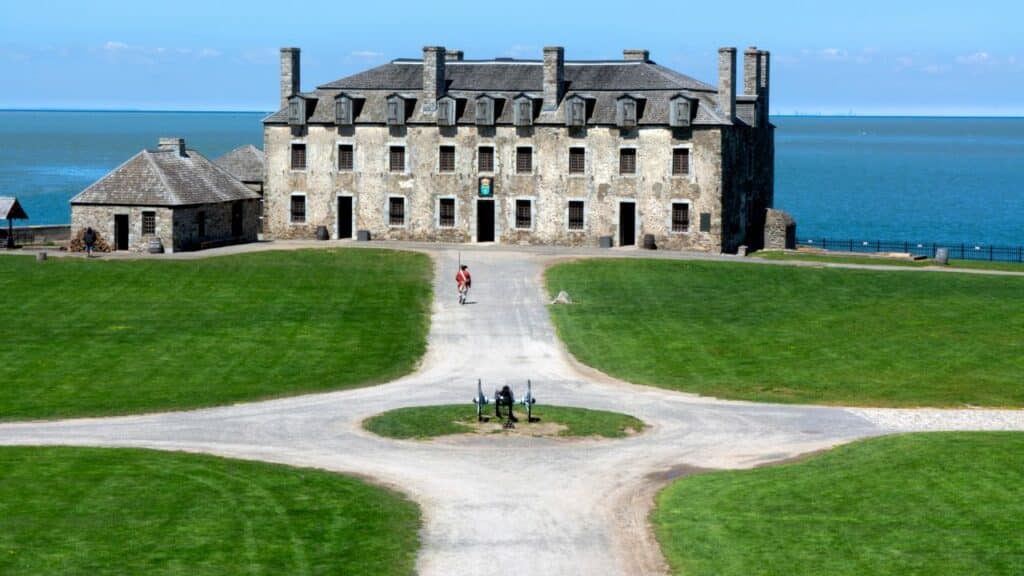
Old Fort Niagara features original 18th-century stone structures and military fortifications. The fort’s position at the mouth of the Niagara River provides strategic waterfront views.
Preserved buildings and daily programs showcase French, British, and American military architecture.
The French Castle
The French Castle is the oldest building in the fort. Completed in 1726, this massive stone structure served as both a fortified residence and a military stronghold for French commanders.
Thick limestone walls and strategic design allowed it to function as a defensible position during conflicts. Inside, you’ll find period-furnished rooms that demonstrate how officers and soldiers lived during the 18th century.
The upper floors housed the commandant’s quarters. The ground level contained storage areas and defensive positions.
The basement features a well that provided water during sieges. The castle’s architecture blends French military design with practical frontier construction techniques.
Its placement near the water allowed defenders to monitor river traffic and control access to the Great Lakes.
The Fortifications and Defensive Walls
The fort’s defensive perimeter includes earthwork ramparts, stone walls, and wooden palisades built by different military powers. British engineers expanded the fortifications in the 1750s and 1770s, creating the star-shaped defensive layout visible today.
Key defensive features include:
- Bastions positioned at corners for overlapping fields of fire
- Gate house controlling the main entrance with heavy doors and defensive positions
- Powder magazine built with reinforced walls to safely store ammunition
- Redoubt serving as a last defensive position
You can walk along the ramparts to examine cannon positions. The walls provide elevated positions overlooking both the river approach and landward approaches.
Lake Ontario and Niagara River Views
The fort occupies a commanding position where the Niagara River flows into Lake Ontario. From the ramparts, you can see the river’s mouth and the lake’s expanse.
On clear days, the Toronto skyline is visible across the water. The northern bastions offer unobstructed views of Lake Ontario’s blue waters.
The eastern walls overlook the Niagara River as it completes its journey from Niagara Falls. These strategic sight lines explain why this location remained militarily important for over 250 years.
Living History Demonstrations
Costumed interpreters conduct daily programs that recreate military life from the French colonial period through the War of 1812. These demonstrations occur throughout the fort grounds from opening until late afternoon.
Military drills showcase 18th-century musket firing techniques and formation movements. Interpreters explain how soldiers loaded, aimed, and fired weapons used in historical battles.
Trade demonstrations showcase period crafts such as blacksmithing, cooking, and textile work. Programs vary by season and day of the week.
Summer months feature expanded programming with additional demonstrations and historical character presentations.
Museum Exhibits
The visitor center museum houses artifacts from three centuries of fort occupation. A 15-minute introductory film shown hourly provides historical context before you explore the grounds.
Display cases contain military equipment, personal items, trade goods, and archaeological finds recovered from the site. Weapon collections include French, British, and American firearms and edged weapons.
Maps and documents illustrate how control of the fort changed hands multiple times. The exhibits explain the fort’s role in the French and Indian War, the American Revolution, and the War of 1812.
Interpretive panels detail daily life for soldiers, their families, and civilians who lived within the walls.
Activities and Experiences
Old Fort Niagara offers living history programming that brings three centuries of military heritage to life. You can explore original 18th-century stone buildings constructed by the French and British.
Your visit begins at the modern museum. A 15-minute film provides historical context about this strategically important site at the mouth of the Niagara River.
The film runs once per hour and gives you a comprehensive overview before you explore the fort grounds.
Daily interpretive programs feature costumed interpreters who demonstrate period military activities and daily life from different eras of the fort’s history.
These demonstrations vary throughout the year and add educational value to your visit.
Key Activities:
- Exploring original French and British stone fortifications
- Watching living history demonstrations and military reenactments
- Viewing museum exhibits covering 300 years of history
- Walking the ramparts for views of Lake Ontario and the Niagara River
- Attending special seasonal events and programs
The adjacent Fort Niagara State Park extends your experience beyond the historic site. You can access boat launches to the Lower Niagara River and Lake Ontario.
Hike woodland trails or use the picnic grounds and playgrounds. Swimming pools and soccer fields provide additional recreation options during warmer months.
Winter activities include cross-country skiing, snowshoeing, and sledding on the park grounds. The nature center offers educational programs throughout the year.
Planning Your Visit
Old Fort Niagara opens daily at 9 a.m. Ticket sales end at 4:30 p.m. most of the year, with extended hours until 6:30 p.m. during July and August.
The fort is located at Route 18F in Youngstown, NY, positioned at the mouth of the Niagara River. You’ll find it within a short drive of both Niagara Falls and Buffalo.
Key Details:
- Location: Route 18F, Youngstown, NY 14174
- Opening Time: 9:00 a.m. daily
- Ticket Sales End: 4:30 p.m. (6:30 p.m. in July-August)
- Best Time to Arrive: At least 30 minutes before closing
Your visit begins at the modern museum building, a short walk from the fort itself. A 15-minute film plays hourly and provides essential context about the site’s 300-year history under French, British, and American occupation.
You should check the specific hours of operation before your visit, as schedules may vary throughout the year. The fort features original 18th-century stone buildings and daily living history programs that bring the site’s three centuries of military history to life.
The location offers views of Lake Ontario and controls what was historically a strategic passage to the Great Lakes and the continental interior.
Nearby Attractions
Fort Niagara State Park surrounds the historic fort and sits along the shores of Lake Ontario. The park offers:
- Picnic areas
- Fishing spots
- Scenic views of Lake Ontario and the Niagara River
The Fort Niagara Light lighthouse is also located in the park. It highlights the area’s maritime history.
BOOK YOUR STAY AND FLIGHT HERE
Nearby Parks and Sites
Joseph Davis State Park, just south of Fort Niagara, offers:
- Walking trails
- Open green spaces
- Access to the Niagara River
In the village of Youngstown, you can visit:
- Freedom Crossing Monument, which honors the area’s role in the Underground Railroad
- Tuscarora Heroes Monument, which recognizes Native American contributions to local history
Niagara Falls (15 miles south)
Niagara Falls is only about a 20–30 minute drive away, making it easy to visit both in one trip.
You can explore both the American and Canadian sides of the falls.
Across the River in Canada
Just across the Niagara River is:
Fort George – A former British military post from the War of 1812, now a historic site.
Niagara-on-the-Lake – A charming town known for:
- Historic buildings
- Theaters
- Wineries
- Restaurants
Other nearby attractions include:
- Queen’s Royal Park – Waterfront views and gardens
- Fort Mississauga – Another War of 1812 historic site
Buffalo (30 miles south)
The city of Buffalo offers:
- Museums
- Urban attractions
- Dining and entertainment options
It’s a great addition if you want to extend your visit to the region.

Cory is a website owner and content creator who enjoys fishing, history, coin collecting, and sports, among other hobbies. He is a husband and father of four.
Romans 15:4 For whatever was written in former days was written for our instruction, that through endurance and through the encouragement of the Scriptures we might have hope.