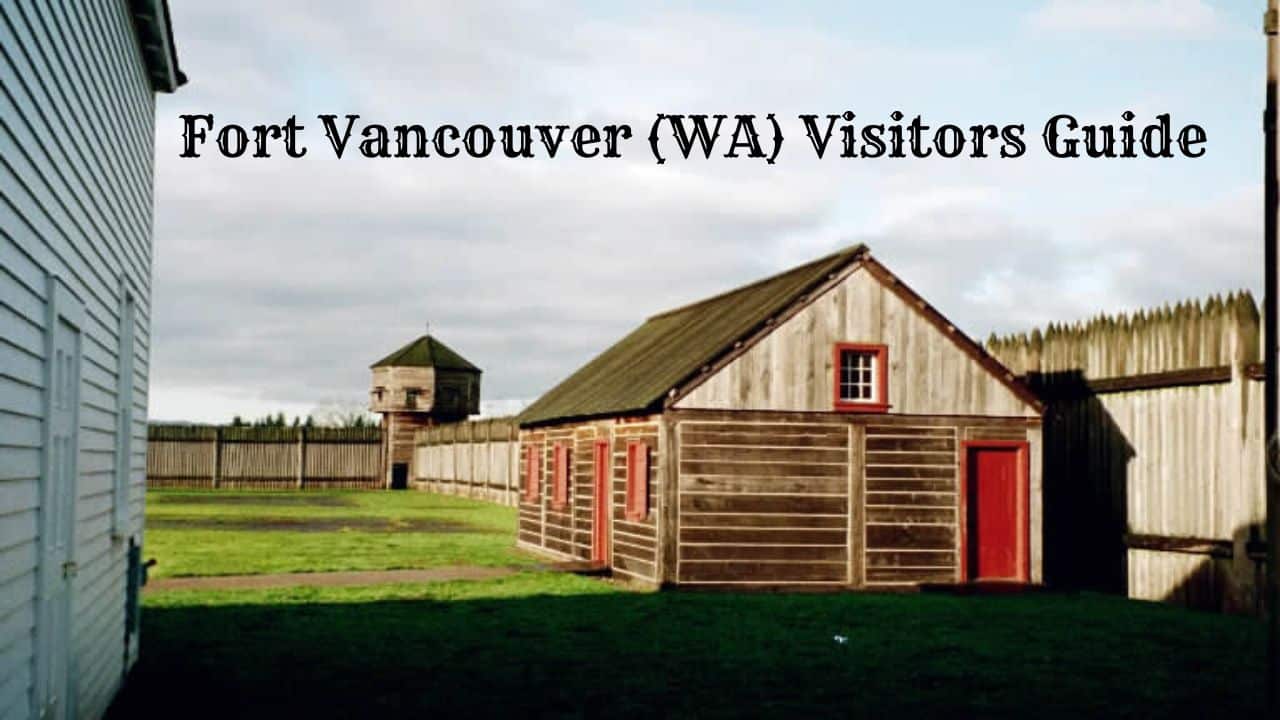
Fort Vancouver sits on the north bank of the Columbia River in Washington State. Here, you can explore a reconstructed 19th-century British fur trading post along with several other historic sites.
This national historic site features four distinct areas: the Hudson’s Bay Company fort, a U.S. Army barracks, an early airfield, and a historic house in Oregon City. The location played a big role in Pacific Northwest history from the 1820s through the 1900s.
The park has both free and paid areas. The reconstructed fort requires an entrance fee, but other sections are open at no cost.
Visitors walk through historic buildings, view museum collections, and learn about the fur trade era and military history. It’s a solid spot for anyone interested in the region’s roots.
This Fort Vancouver travel guide covers what you need to plan a trip. You’ll find basic visitor info and tips on the best things to see and do at the site.
BOOK YOUR TRIP TO FORT VANCOUVER HERE
Fort Vancouver (WA) Visitor Information
The Fort Vancouver Visitor Center sits at 1501 E Evergreen Boulevard in Vancouver, Washington. It’s the best place to start your visit.
Admission to the visitor center is always free. The reconstructed fort charges an entrance fee of $10 per vehicle.
Inside the visitor center, you can watch a short film about the site’s history and check out exhibits. There’s plenty of info for first-timers.
Free parking is in the main lot, and you’ll find more spaces along Officers’ Row across the street. ADA accessible parking is available for those who need it.
Available Amenities:
- Men’s and women’s restrooms inside the visitor center
- Water fountain and bottle refilling station
- Gift shop and bookstore
- Outdoor playground for children
- Picnic areas near the visitor center
The site overlooks the Columbia River with views of mountain peaks. The Hudson’s Bay Company established the fort in 1824 as a trading post and settlement.
Pets aren’t allowed inside the visitor center, but you can bring them to outdoor areas if they’re on a leash. Service animals are allowed in all buildings, and owners must pick up after their pets.
The visitor center has paved parking and sidewalks leading right to the entrance. It’s smart to check the park’s website for current hours before you go, since they can change by season.
BOOK YOUR TRIP TO FORT VANCOUVER HERE
The History of Fort Vancouver
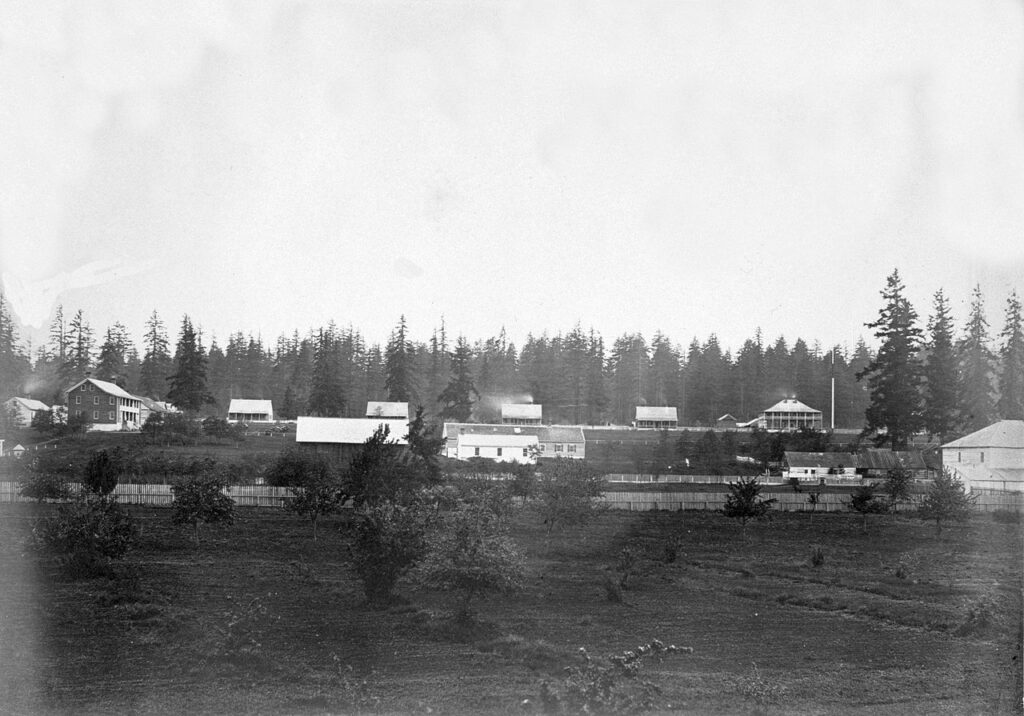
The Hudson’s Bay Company established Fort Vancouver in 1824 on the north bank of the Columbia River. It served as the headquarters for the company’s fur-trading operations in the Pacific Northwest.
During its peak from 1824 to 1846, it was the most important settlement in the region. The fort was more than a trading post—it was a center of commerce, culture, and politics.
Key Historical Periods:
- 1824-1846: Hudson’s Bay Company operations
- 1849-1946: U.S. Army Vancouver Barracks
- 1966: Reconstruction of fort buildings began
People from all walks of life lived and worked here—traders, Native Americans, French-Canadian workers, and Hawaiian laborers. In 1849, the U.S. Army established Vancouver Barracks next to the fort, and the military presence there lasted nearly a century.
The barracks played a big part in regional military operations and growth. Today, Fort Vancouver National Historic Site preserves these locations, including the reconstructed fort, Vancouver Barracks, and Pearson Field.
Since 1966, buildings have been rebuilt on their original spots to show what life was like in the 1800s. The National Historic Site spans both Washington and Oregon and includes the McLoughlin House in Oregon City.
Active archaeology still happens on site, so new discoveries pop up from time to time. These finds keep adding to what we know about this place in the history of the Pacific Northwest.
What to See
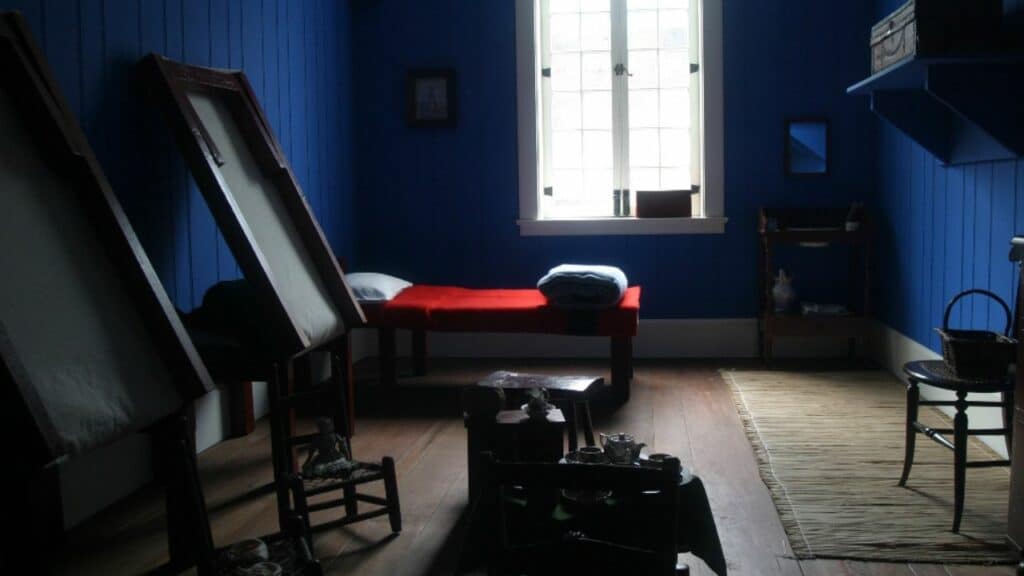
Fort Vancouver National Historic Site offers a close-up look at frontier life through reconstructed buildings, live demonstrations, and preserved artifacts.
The 191-acre site weaves together stories of fur trading, military life, and early settlement.
The Reconstructed Hudson’s Bay Company Fort
This reconstruction is the heart of the site. It follows the original 1845 layout, with wooden palisade walls enclosing several structures that show how the Hudson’s Bay Company ran its western headquarters.
Walk through the main gate and explore the stockade where traders, craftspeople, and laborers once worked. The fort contains over 20 buildings, each with a specific job in the daily operations of the trading post.
The layout shows how the company organized its commercial empire across the Northwest. Costumed interpreters wander the grounds, explaining the fur trade business and answering questions about daily life at the outpost.
Chief Factor’s House
This two-story residence was home to the fort’s chief administrator and his family. Inside, you’ll find period furnishings and decorative items that reflect the surprisingly refined lifestyle of top company officials.
The dining room has a long table set for formal meals, where company leaders entertained ship captains, military officers, and dignitaries. Upstairs, the bedrooms show the private living spaces of the chief factor’s household.
Check out the imported goods that made it all the way to this frontier spot—fine china, crystal, and furniture traveled thousands of miles to reach Fort Vancouver.
Blacksmith Shop and Trade Buildings
The blacksmith shop is where essential metalworking happened. Blacksmiths forged tools, repaired equipment, and made hardware for construction projects. Live demonstrations show how they shaped iron and steel.
The trade store displays goods exchanged with Native American tribes and settlers. Blankets, beads, metal tools, and other items lined the shelves and were traded for furs and resources.
The bakery produced hundreds of loaves daily to feed residents and workers. The carpentry shop, cooperage, and other work buildings show the range of skills needed to keep the place running.
Each building played its part in the fort’s self-sufficient economy.
Archaeological Sites and Museum
The Visitor Center museum displays artifacts from ongoing archaeological digs. Excavations have uncovered thousands of objects buried here since the 1800s.
Display cases show tools, ceramics, buttons, bottles, and personal items used by fort residents. Interactive exhibits explain how archaeologists find, excavate, and preserve historical artifacts.
The collection includes items from the Hudson’s Bay Company era, the U.S. Army period, and Native American occupation.
You can also see original fort foundations in some areas—markers and signs point out building locations found during excavations.
Living History Demonstrations
Interpreters dressed in period clothing perform daily tasks from fort life. They cook meals with historic recipes, tend gardens with heritage plants, and demonstrate crafts from the 1840s.
Woodworking demos show how carpenters built structures without modern tools. Textile work includes spinning, weaving, and sewing with period materials. Gardening focuses on crops grown to feed the fort.
Special events bring extra demonstrations throughout the year. Candlelight tours, music performances, and seasonal celebrations offer different takes on fort life. Visitors can often join in hands-on activities during these programs.
Things to Do
Fort Vancouver National Historic Site has four main areas to explore. The reconstructed Hudson’s Bay Company fort stands as the centerpiece, with replica buildings that depict life during the fur-trading era.
The Vancouver Barracks represents the U.S. Army’s long presence in the region. Pearson Air Museum displays aircraft and aviation history from the Northwest.
The McLoughlin House is in Oregon City, about 30 miles from the main fort. It’s a separate trip but ties into the region’s broader story.
Indoor Activities
The Visitor Center offers hands-on exhibits that connect stories from all four sites. On rainy days, you can dive into these displays and learn about the area’s cultural past.
Staff at the information desk can share details about current programs—just call (360) 816-6230.
Outdoor Exploration
The park grounds have space for walking and outdoor activities. You can see the Columbia River and surrounding mountains from the site.
The reconstructed trading posts and barracks offer a glimpse into how people lived and worked in the 1800s.
The park keeps an online calendar with current events and activities, and if you can’t visit in person, there are virtual tours, videos, and educational materials on the website.
Is It Worth Visiting?
Fort Vancouver National Historic Site offers a genuine look into Pacific Northwest history. The 191-acre site sits right on the Columbia River and includes three distinct locations, each with its own story.
The reconstructed fort gives you an authentic glimpse into 19th-century frontier life. You can walk through trading posts and barracks that bring the Hudson’s Bay Company fur trade era to life.
What makes the site valuable:
- Hands-on history at a reconstructed 1825 fur trading post
- Vancouver Barracks showcasing military heritage
- Pearson Air Museum celebrating aviation history
- Beautiful park grounds along the Columbia River
The site works well as a day trip or a stop during a longer journey through the region. Families can explore multiple historic periods in one location.
History buffs will find detailed exhibits and knowledgeable staff ready to answer questions. Admission is reasonable for everything you get, and most people spend several hours exploring.
The site often hosts events and programs that add extra value. For anyone traveling through Vancouver, Washington, it’s a chance to learn something without needing a major detour.
The location blends natural scenery with cultural significance, making it accessible to visitors with a wide range of interests.
Tips for Visiting
The park is on the north bank of the Columbia River in Vancouver, Washington. Check current hours before arriving, since they can change by season.
Best Times to Visit
Spring and fall have mild weather and fewer crowds. Summer brings the most events and programs, but it’s also the busiest. Weekday mornings are usually quieter than weekends.
What to Bring
Wear comfortable walking shoes for exploring the fort and grounds. The site has walking trails and gardens, so dress for outdoor activity. Bring water and sunscreen if you visit in warmer months.
Parking and Accessibility
Free parking is at the visitor center. The park welcomes all visitors and has accessible paths throughout the historic site. Wheelchairs and strollers can get around most areas of the fort.
Making the Most of Your Visit
Plan for three to four hours to see everything. Start at the visitor center to get oriented and pick up a brochure.
The reconstructed fort buildings include trading posts and barracks from the fur trade era. Rangers offer interpretive programs that help explain the site’s history.
Check the events calendar before you go to catch any special programs. The site covers multiple areas: Fort Vancouver, Vancouver Barracks, and Pearson Air Museum.
Admission fees apply for the reconstructed fort, but other parts of the park are free to explore.
Nearby Attractions
Vancouver, Washington sits in an ideal spot, tucked right by the Columbia River. You can get to a bunch of natural wonders and cultural sites without much hassle—most are within an hour’s drive.
Mount St. Helens lets you see an active volcano up close. You’ll find stories and displays about its big 1980 eruption.
The Columbia River Gorge is all about waterfalls, hiking trails, and those jaw-dropping viewpoints along the river. Both spots are classic day trips if you’re hanging around Fort Vancouver.
Popular Nearby Destinations:
- Portland, Oregon – Just across the river, packed with museums, food, and shopping. Always something happening there.
- Pacific Coast beaches – You can get there in about 90 minutes for a dose of ocean air and sand.
- Mount Hood – Year-round fun, whether you’re into skiing, hiking, or just enjoying the mountain scenery.
- Willamette Valley – It’s wine country, with lots of vineyards and tasting rooms if that’s your thing.
In Vancouver itself, you’ll find the Pearson Air Museum and Vancouver Barracks, both tied to the Fort Vancouver National Historic Site. Columbia Springs has a fish hatchery and some peaceful natural trails.
The Kaiser Shipyard Memorial Tower stands as a reminder of the city’s World War II shipbuilding days.
Cedar Creek Grist Mill, still running since the 1870s, shows off old-school milling techniques. It’s one of the oldest operating grain mills in the state.
Downtown Vancouver brings together waterfront parks, a mix of restaurants, and some solid shopping, all within walking distance of the historic fort.
Conclusion
Fort Vancouver stands as a vital piece of Pacific Northwest history. The site witnessed the region’s transformation from a fur trading economy to American settlement and military occupation.
The Hudson’s Bay Company ran Fort Vancouver from 1824 until 1860. During those years, it served as the headquarters for operations across present-day Washington, Oregon, Idaho, and British Columbia.
The fort brought together traders, Native Americans, Hawaiian workers, and settlers. These connections shaped the entire region in ways that still echo today.
Several factors led to the fort’s decline in the late 1850s. The fur trade shrank as more American settlers arrived, changing the landscape and the economy.
The Oregon Territory boundary dispute ended, and Fort Vancouver landed under U.S. control. The Hudson’s Bay Company shifted its operations north to Victoria, British Columbia, where harbor access was easier and much safer than dealing with the Columbia River bar.
By 1860, the U.S. Army burned the empty stockade. Hawaiian workers, French-Canadian trappers, British traders, and American settlers all played a part in building the Pacific Northwest’s economy and culture.
Today, Fort Vancouver National Historic Site preserves this layered history. Visitors can wander through reconstructed buildings and get a sense of the diverse communities that once called this place home.
The site nudges us to remember how trade, cultural exchange, and national ambitions shaped the region we know today. There’s something kind of humbling about standing there and thinking about all the stories woven into that ground.

Cory is a website owner and content creator who enjoys fishing, history, coin collecting, and sports, among other hobbies. He is a husband and father of four.
Romans 15:4 For whatever was written in former days was written for our instruction, that through endurance and through the encouragement of the Scriptures we might have hope.