

Fort Stanwix National Monument stands in the heart of Rome, New York. It’s a full-scale reconstruction of an 18th-century military fort.
Originally built in 1758 during the French and Indian War, the fort played a key role in defending the Oneida Carry during the Revolutionary War.
Today, you can step back in time and see what life was like for soldiers and settlers in colonial America.
The National Park Service manages this historic site, offering guided tours, living-history events, and interactive exhibits that make the past feel real.
The reconstructed fort, completed for the 1976 Bicentennial, earned its nickname, “Fort That Never Surrendered,” for its defense during the 1777 Siege of Fort Stanwix.
You can explore wooden fortifications and meet costumed interpreters. The site has a visitor center with exhibits, nature trails, and hands-on activities for all ages, so there’s plenty to do.
BOOK YOUR STAY NEAR FORT STANWIX
Fort Stanwix Visitor Information
Fort Stanwix National Monument sits in Rome, New York. Visitors get to explore a reconstructed Revolutionary War fort and learn about 18th-century American history.
Contact Information
- Phone: 315-338-7730
- You can also reach park staff through email
Hours of Operation
The visitor center hours change throughout the year. From April 1 to June 20, the park uses spring hours:
| Days | Hours |
|---|---|
| Sunday & Monday | Closed |
| Tuesday – Saturday | 9:00 AM – 5:00 PM |
It’s smart to check current hours before your trip since the schedule shifts with the seasons.
Visitor Center Amenities
The visitor center offers a museum about Fort Stanwix, three educational films, and an information desk where staff answer questions. There’s a bookstore with souvenirs and a bike repair station for cyclists.
Public restrooms are available inside.
Planning Your Visit
First-time visitors should stop at the visitor center for maps and brochures. Park rangers and volunteers can help plan your visit and answer questions about the site.
The park provides accessible services for visitors with disabilities. Guests can join ranger-led tours, participate in Junior Ranger programs, and meet costumed interpreters in Continental soldier uniforms.
BOOK YOUR FLIGHT TO FORT STANWIX
History of Fort Stanwix
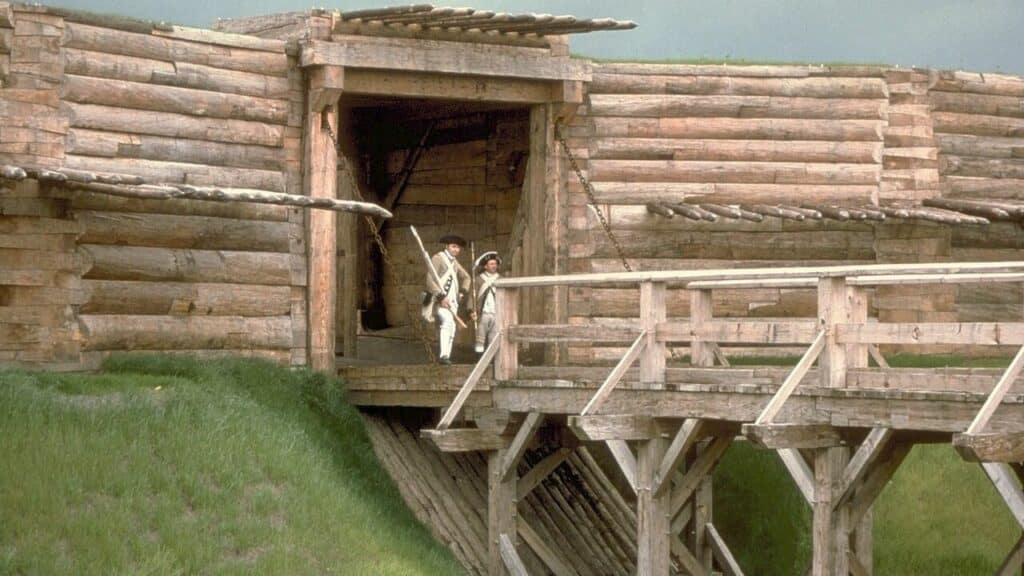
Fort Stanwix sits in Rome, New York, on land that mattered long before Europeans arrived. For thousands of years, Native Americans used an ancient trail connecting the Mohawk River and Wood Creek.
This path became known as the Oneida Carrying Place. The British built the original fort in 1758 during the French and Indian War.
General John Stanwix oversaw its construction, starting on August 26, 1758. The fort wasn’t finished until about 1762.
The Fort’s Most Famous Moment
In August 1777, Fort Stanwix became known as “the fort that never surrendered.” Colonel Peter Gansevoort led American troops who defended against a siege by British General Barry St. Leger.
St. Leger’s force included British soldiers, German troops, Loyalists, Canadians, and American Indians. The siege failed, and this British defeat, along with battles at Oriskany, Bennington, and Saratoga, stopped British plans to control the northern colonies.
The American victory helped secure alliances with France and the Netherlands.
Later Years
Fort Stanwix troops joined the 1779 Clinton-Sullivan Campaign. The fort protected America’s northwest frontier until soldiers left it in 1781.
This spot controlled a vital route between the Atlantic Ocean and Lake Ontario. Whoever held it had a major advantage.
Nations fought for control of the Oneida Carrying Place, the Mohawk Valley, and the Six Nations Confederacy homelands. Today, the fort is a reconstruction managed by the National Park Service.
Key Sites to Explore
Fort Stanwix National Monument features a full-scale reconstruction of the original 18th-century fort. The site includes defensive structures, living quarters, and military facilities.
You can walk through authentic barracks, check out period artifacts in museum displays, and watch costumed interpreters demonstrate colonial military life.
The Reconstructed Fort
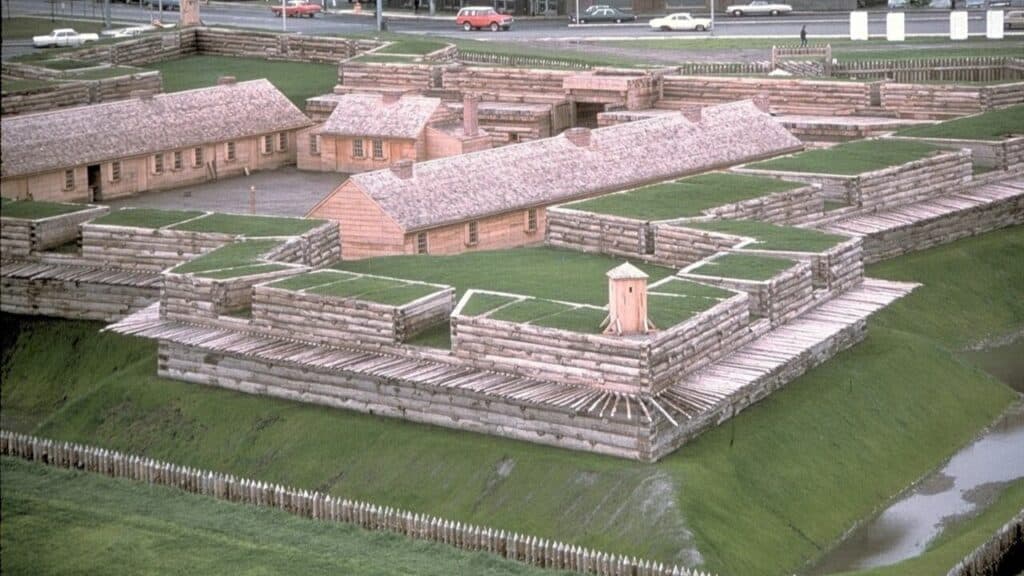
The fort stands as a recreation of the 1777 structure that played a vital role in the Revolutionary War. Walking through the main gate, you’ll enter a military compound that looks much like it did in the 18th century.
The fort’s layout follows the original design discovered through archaeological digs. Buildings, walkways, and defensive positions sit where soldiers once lived and worked.
The reconstruction relied on historical records and archaeological evidence for accuracy. You can explore the parade ground where soldiers assembled for drills and announcements.
The flagpole displays a replica of the first Stars and Stripes flag—historians think it flew here during the 1777 siege.
Barracks and Soldiers’ Quarters
The barracks show how Continental Army soldiers lived at the fort. Each room contains period furnishings like wooden bunks, storage chests, and cooking equipment.
Soldiers shared tight living spaces with little privacy. A typical room housed several men who slept, ate, and stored their belongings in cramped quarters.
The sparse furnishings and basic accommodations reflect the tough realities of military life in the 1700s. Officers’ quarters, located separately, offered slightly better conditions and show the social hierarchy within the Continental Army.
You can compare the differences between enlisted men’s barracks and officers’ living spaces.
Defensive Walls and Bastions
The fort’s defensive walls stretch around the entire perimeter, creating a protected military compound. These wooden walls, called palisades, stand tall enough to shield defenders from enemy fire.
Four diamond-shaped bastions jut from the corners of the fort. Each bastion allowed soldiers to fire at enemies approaching the walls from multiple angles.
You can climb onto these defensive positions to see how they provided overlapping fields of fire. The earthwork embankments behind the wooden walls provided additional protection against artillery fire.
Walking along the ramparts gives you a sense of how defenders watched for threats and prepared for attacks.
Museum Exhibits
The visitor center museum displays artifacts found during archaeological digs at the fort. You’ll see original musket balls, buttons, tools, and personal items from people who lived here.
Interactive exhibits explain the fort’s role in the Revolutionary War and its importance to both American and British forces. Maps show troop movements and battle positions during the 1777 siege.
Display cases hold original documents, weapons, and military equipment from the period. The museum helps visitors understand what they see in the reconstructed fort.
Archaeological discoveries continue to reveal new details about daily life at this frontier post.
Living History Programs
Park rangers and volunteers dressed in Continental Army uniforms demonstrate 18th-century military life. They perform drill exercises, demonstrate how soldiers loaded and fired muskets, and discuss military tactics.
You can watch demonstrations of cooking, cleaning weapons, and other daily tasks. The interpreters answer questions and interact with guests in character, making the experience feel immersive.
Special programs run in the summer and include artillery demonstrations, flag ceremonies, and tactical presentations. Junior Ranger programs teach kids about fort life through hands-on activities and lessons about Revolutionary War history.
Activities and Experiences
Fort Stanwix National Monument offers a range of hands-on activities that bring 18th-century history to life. Living history demonstrations let staff and volunteers showcase daily life at the fort, traditional crafts, and historical skills from the Revolutionary War era.
You can explore the reconstructed fort grounds on self-guided walks. The site includes three short nature trails winding through the historic area.
Families often enjoy picnicking on the lawn, flying kites, or playing frisbee in the open spaces. The park welcomes dogs through its B.A.R.K. program, where pet owners can complete activities with their dogs and take an oath to become official Bark Rangers.
Popular Activities:
- Walking tours of the fort
- Living history demonstrations
- Educational programs and ranger talks
- Nature trail exploration
- Picnicking and lawn games
- Visiting the Tomb of the Unknown Revolutionary War Soldier
- Winter activities like building snow forts
Groups can reserve specialized programs by contacting the Park Reservation Coordinator. Past groups have included military organizations, senior groups, and motor coach tours.
The Marinus Willett Collections Management and Education Center offers extra educational experiences focused on preserving national resources. In summer, the park hosts concerts on the lawn, and you can also walk to see the nearby Mohawk River and Erie Canal.
The park offers both on-site and off-site programs for diverse interests and audiences.
Helpful Tips for Guests
Call the park at 315-338-7730 before your trip to check current hours and any schedule changes. The visitor center hours shift throughout the year, so checking ahead can save you a wasted drive.
Ranger-led tours offer the most educational experience, with detailed info about the fort’s history and significance. The park also has Junior Ranger programs for kids.
What to Bring:
- Comfortable walking shoes for exploring the fort grounds
- Water bottle to stay hydrated
- Camera for photos of the reconstructed fort
- Weather-appropriate clothing since some areas are outdoors
The park provides accessibility services for guests who need them. Check the park’s accessibility page or contact staff in advance to arrange any specific accommodations.
Restrooms and a bookstore are inside the visitor center. The bookstore sells educational materials and souvenirs related to the fort’s history.
Plan at least two hours for your visit to fully explore the grounds and exhibits. This gives you time to watch videos about the American Revolution in the Mohawk Valley and see the archaeological collection.
Emailing a ranger before your visit can help get answers to specific questions. Park staff can offer recommendations based on your interests and needs.
The park is closed on Sundays and Mondays during spring hours. Since the fort operates on different schedules by season, always check current hours before planning your trip.
Nearby Places of Interest
Several attractions sit just a short drive from Fort Stanwix National Monument. You can easily check out a few historical and recreational spots in one trip, honestly—why not make the most of it?
Erie Canal Village gives you a glimpse of 19th-century life along the legendary waterway. The village has historic buildings, live demonstrations, and exhibits about canal life.
It offers a different slice of history from Fort Stanwix’s Revolutionary War vibe. There’s something kind of refreshing about that contrast.
Oriskany Battlefield State Historic Site marks the spot of one of the bloodiest battles of the American Revolution. The battle took place in August 1777, around the time of the siege of Fort Stanwix.
You can walk the grounds and pick up stories about this intense conflict. It’s a powerful place—hard not to feel a little moved.
The Utica Zoo is a great family-friendly stop, especially if you’re traveling with kids. They care for over 200 animals and host interactive exhibits year-round.
Adirondack Park stretches northward and offers plenty of outdoor recreation. We’re talking millions of acres for hiking, camping, and every kind of water activity you can think of.
Saratoga National Historical Park sits about 90 minutes east of Fort Stanwix. This park preserves the battlefield where American troops scored a turning point victory in 1777.
There’s a driving tour, hiking trails, and a visitor center. Saratoga feels like a must if you’re already in the area.

Cory is a website owner and content creator who enjoys fishing, history, coin collecting, and sports, among other hobbies. He is a husband and father of four.
Romans 15:4 For whatever was written in former days was written for our instruction, that through endurance and through the encouragement of the Scriptures we might have hope.