
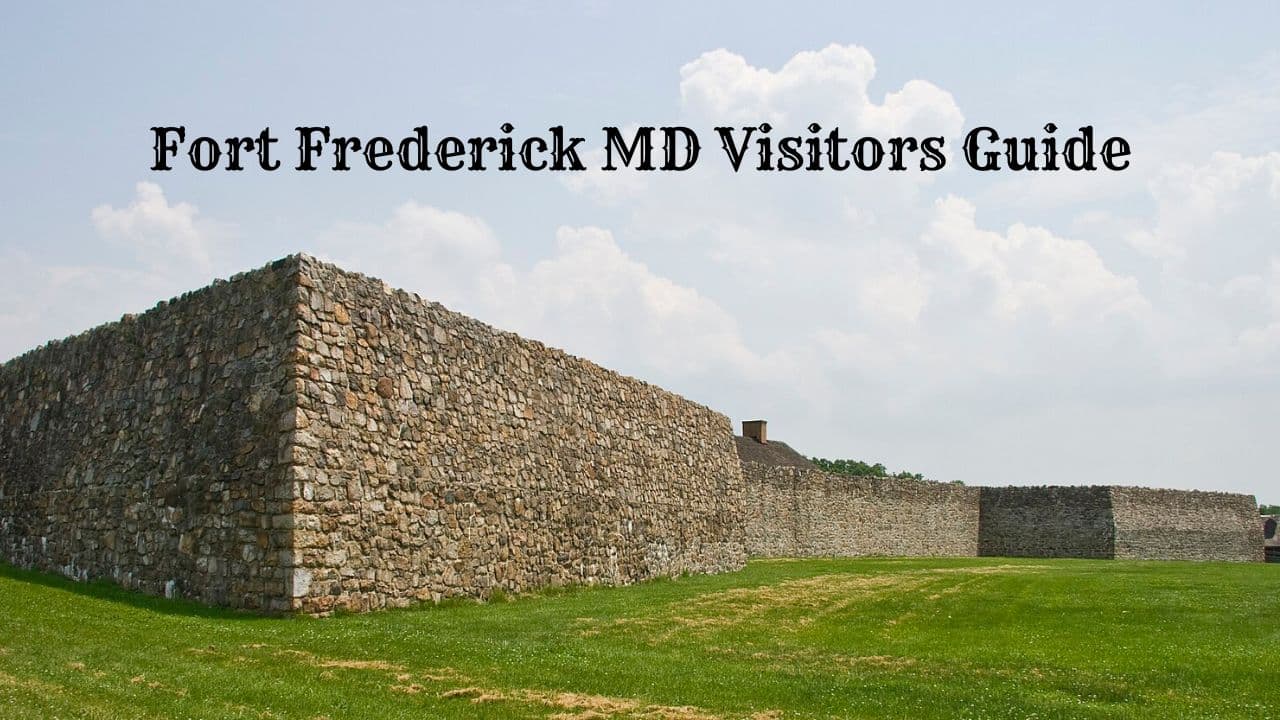
Fort Frederick State Park in Big Pool, Maryland, offers visitors a rare chance to explore the only remaining stone fort from the French and Indian War, built by a British colony.
The park covers 585 acres along the Potomac River and mixes history with outdoor fun.
The fort’s stone walls and two barracks look just as they did in 1758. You can tour the buildings Thursday through Monday, and staff in period clothing show what daily life was like back then.
There’s more to Fort Frederick than just history. The park has hiking trails, camping spots, river access, and links to the C&O Canal.
The fort played a role in four different military conflicts across three centuries.
This guide will help you plan a trip to Fort Frederick in 2026. You’ll find practical info, a peek at the fort’s unique past, things to do, and tips for making the most of your visit.
BOOK YOUR FLIGHT TO FORT FREDERICK HERE
Fort Frederick Visitor Information
Fort Frederick State Park sits at 11100 Fort Frederick Road in Big Pool, Maryland 21711. It’s about 25 minutes east of Hagerstown, right off Route 70.
Park Hours
The park runs on seasonal hours. From April to October, it opens at 8 a.m. and closes at sunset. November through March, hours shift to 10 a.m. until sunset.
The Historic Fort Buildings are open Thursday through Monday from 10 a.m. to 5 p.m. The Visitor Center is open, but hours can change—calling ahead is a good idea. Captain Worts Store is open Thursday through Monday from 9:30 a.m. to 5 p.m.
Admission Fees
It costs $5 per car to enter. The campground is open, and you can reserve a spot.
Contact Information
For general park info, call 301-842-2155 or email the staff. To book camping, call 1-888-432-CAMP (2267).
What to Know
The fort buildings stay locked unless staff or volunteers are present. The Visitor Center has helpful folks who share park info and handle camper check-in.
On open days, staff dressed in colonial clothes demonstrate daily life from the French and Indian War era.
The park’s 585 acres include hiking trails, a boat launch, picnic spots with a big pavilion, a playground, and a camp store. The Chesapeake and Ohio Canal National Historical Park cuts right through the property.
BOOK YOUR STAY NEAR FORT FREDERICK HERE
History and Origins of Fort Frederick
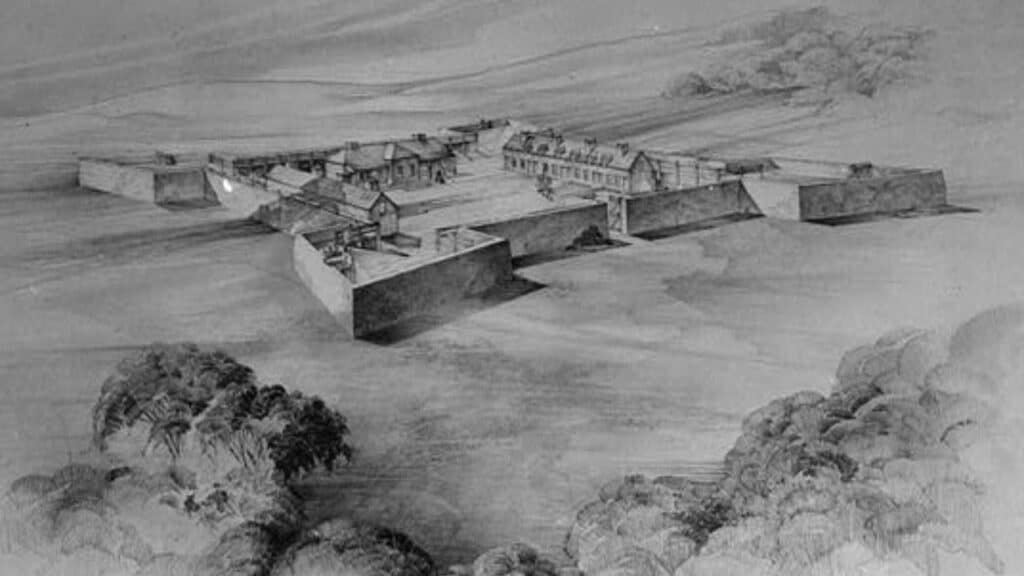
Fort Frederick is the only stone fort built by a British colony during the French and Indian War. Construction started in 1756 to protect Maryland settlers from attacks during that conflict.
They used stone instead of wood, making the fort tougher and longer-lasting than most frontier forts. By 1758, the stone walls and two barracks were finished—those same walls stand today.
Major Military Conflicts at Fort Frederick:
- French and Indian War (1754-1763) – Built for frontier defense
- American Revolution (1775-1783) – Used as a prison for British soldiers
- Civil War (1861-1865) – Union troops nearby guarded the C&O Canal
The fort saw its toughest moment on Christmas Day 1861 when Confederate forces attacked. Union soldiers held their ground and pushed back the attackers.
After its military days ended, the fort fell apart. Maryland bought it in 1922, making it one of the state’s first parks.
The Civilian Conservation Corps showed up in the 1930s to restore the crumbling walls and barracks. Now, the fort’s walls and buildings look like they did in 1758, letting people connect with colonial history in a real, physical way.
Notable Structures and Experiences
Fort Frederick State Park centers around a rare 18th-century stone fortification from the French and Indian War. The restored complex features military buildings, museums, and trails that bring three centuries of American history to life with hands-on experiences.
The Stone Fort and Defensive Walls
The stone fort is the only one left from a British colony during the French and Indian War. Construction kicked off in 1756 to protect Maryland’s frontier from French and Native American forces.
The walls stretch about 200 feet on each side and still stand at their original height. Unlike most colonial forts, these were built from local limestone, which is probably why they’ve survived almost 270 years.
Four corner bastions jut out at 45-degree angles, giving defenders clear lines of fire along every wall. You can walk along parts of the walls and stand in the bastions to get a feel for 18th-century defense tactics.
The Maryland Department of Natural Resources restored the walls and buildings to their 1758 look. This careful work keeps things accurate while letting visitors safely explore the fort.
Barracks and Interior Buildings
Inside the fort walls, two stone barracks sit in opposite corners. These buildings once housed British and colonial soldiers. You can step inside and explore the rooms.
The barracks open Thursday through Monday from Memorial Day to Labor Day, and weekends only in spring and fall. Staff and volunteers in period clothing show off daily activities from the French and Indian War era—think cooking demos, military drills, and crafts from the 1700s.
Captain Wort’s Store is a period-appropriate shop selling historical goods and park souvenirs. It’s open from 9:30 a.m. to 5 p.m. Thursday through Monday.
Museum and Interpretive Exhibits
The visitor center features exhibits about the fort’s role in four military conflicts. Displays cover the French and Indian War, the American Revolution (when the fort was a prison for British soldiers), and the Civil War (when Union troops guarded the C&O Canal).
There’s also a Civilian Conservation Corps Museum. It tells the story of the 1930s CCC camp that restored the fort and developed the park, featuring original tools, photos, and personal stories.
Inside the barracks, you’ll find more historical exhibits—reproduction weapons, uniforms, and equipment. Panels explain military life, how the fort was built, and why this outpost mattered.
Living History and Reenactment Events
Fort Frederick hosts reenactment events throughout the year that bring different historical periods to life. Hundreds of people in authentic clothing perform military drills, camp life, and tactical demos.
French and Indian War reenactments happen in spring and summer. Participants portray British regulars, colonial militia, French soldiers, and Native American allies. Visitors can watch battles, tour period camps, and chat with historical interpreters.
Revolutionary War and Civil War events take place on select weekends. These programs show how the fort’s role changed over time and how warfare evolved.
Walking Trails and Scenic Views
The park’s 585 acres feature several hiking trails connecting the fort to natural areas along the Potomac River. The Plantation Trail (Red Blaze) follows a rerouted path that avoids recent storm damage but still reaches wooded spots.
Big Pool Trail leads to the Chesapeake and Ohio Canal, which runs right through the park. It’s a flat, easy walk that connects Fort Frederick to the C&O Canal National Historical Park towpath. There’s also a boat launch for getting out on the Potomac.
Beaver Pond Trail loops around a wetland where you might spot waterfowl, turtles, and—if you’re lucky—beavers. The trail is about a mile long and has signs explaining local wildlife and ecosystems.
A big picnic area with a pavilion sits near the fort and overlooks the valley. The playground and open fields make it a favorite for families who want to mix history with outdoor play.
Popular Activities at the Fort
There are plenty of ways to dive into Fort Frederick’s military history. The top activity is touring the restored stone fort, dating back to 1756. The walls and barracks give you a real sense of frontier life during the French and Indian War.
Living History Demonstrations run Thursday through Monday from Memorial Day to Labor Day. Staff and volunteers in period attire demonstrate daily activities from colonial times, helping visitors picture life for soldiers at the fort.
The park features several historical exhibits in three spots:
- Visitor Center displays
- Fort barracks exhibits
- Civilian Conservation Corps Museum
Self-guided walking tours let you explore at your own pace. The park offers booklets and guides that highlight the fort’s history, including African American heritage, women’s history, and Native American stories.
Military re-enactments take place during special event weekends. These events spotlight key moments from the French and Indian War, American Revolution, and Civil War.
Group tours are available seasonally if you prefer a guide. Call ahead at 301-842-2155 to check availability and schedule.
The fort grounds are open from 8 a.m. to sunset April through October. From November to March, hours shift to 10 a.m. to sunset. The historic fort buildings are open Thursday through Monday from 10 a.m. to 5 p.m.
Evaluating the Visitor Experience
Fort Frederick State Park offers a one-of-a-kind look at American history. It’s the only stone fort built by a British colony during the French and Indian War, and the park mixes historical education with outdoor fun. It’s a solid spot for both history buffs and families.
Most of the experience is self-guided, but live demonstrations add a lot, especially when staff and volunteers in period clothing are around Thursday through Monday from Memorial Day to Labor Day. The barracks are also open on spring and fall weekends.
Key visitor amenities include:
- Restored historic fort buildings and 1758 barracks
- Visitor center with exhibits
- CCC Museum showing 1930s restoration
- Self-guided tours and activity booklets
- Multiple hiking trails like Beaver Pond Trail
- Boat launch and flatwater canoeing
- Campground and camp store
The $5 vehicle fee is a good deal for what’s offered. Just a heads-up: the visitor center sometimes closes early—occasionally as early as 4 p.m. on quiet weekdays.
The park’s 585 acres border both the Potomac River and the C&O Canal National Historical Park. You can easily combine your fort visit with canal or river activities.
The stone walls and restored barracks connect you to more than 100 years of history and three different wars.
Special events and reenactments throughout the year add extra depth. Groups can book seasonal tours by calling ahead.
Tips for a Successful Visit
If you want to make the most of your time at Fort Frederick, try to arrive early in the day. The park opens at 8 a.m. from April through October, and 10 a.m. from November through March.
Maryland residents pay $3 for parking. Out-of-state visitors pay $5.
The payment system works on the honor system at the entrance. Not the most high-tech, but it gets the job done.
Best times to visit:
- Thursday through Monday, when the fort buildings are open
- Memorial Day to Labor Day, if you want to catch full staffing and demonstrations
- Spring and fall weekends for period demonstrations with fewer crowds
Visitor center hours can change, so it’s smart to call ahead at 301-842-2155. The fort buildings are open Thursday through Monday, 10 a.m. to 5 p.m.
Wear comfortable walking shoes—you’ll need them for the 585-acre property. The grounds include trails, the historic fort, and access to the C&O Canal towpath.
You can download self-guided activity booklets and walking tour materials before you arrive. The park’s website has printable resources that make exploring a bit more interesting.
There’s more than just the fort here. You’ll find a boat launch, hiking trails, picnic areas with pavilions, and a playground.
If you’re planning to camp, call 1-888-432-CAMP (2267) to make a reservation. The campground stays open year-round and even has a camp store for last-minute needs.
Groups seeking a guided tour should contact the park in advance. Seasonal tours with costumed interpreters are available if you ask ahead.
Nearby Attractions
Fort Frederick State Park sits in a region packed with historical sites and outdoor adventures. The Chesapeake and Ohio Canal National Historical Park actually runs right through the property, so you can hop on the towpath for hiking or biking almost instantly.
The C&O Canal offers a scenic stretch along the Potomac River. You can poke around old lock houses and pick up some quirky facts about how the canal kept 19th-century transportation moving.
The towpath stays pretty flat, so most folks can handle it, whether you’re out for a stroll or on two wheels.
Top Nearby Sites:
- Antietam National Battlefield – About 20 miles east, this Civil War landmark marks one of the war’s bloodiest battles.
- Harpers Ferry National Historical Park – A 30-minute drive south takes you to a historic town right where three states meet.
- Downtown Frederick – Roughly 35 miles east, the city has shops, restaurants, and a bunch of historic buildings worth wandering through.
- Whittaker Station – This spot gives you river access for kayaking and fishing on the Potomac. Not bad if you want to get your feet wet.
The town of Hagerstown is about 20 miles north of the fort. You’ll find museums, dining, and the Hager House—a home that’s been around since the 1700s.
If you’re after more trails or want to camp out, head to Greenbrier State Park, about 15 miles east. There’s a man-made lake with a beach and boat rentals in the summer, which sounds pretty perfect on a hot day.
Washington Monument State Park is close by on South Mountain. Climb the first monument ever dedicated to George Washington, built way back in 1827 by locals who just wanted to honor him.

Cory is a website owner and content creator who enjoys fishing, history, coin collecting, and sports, among other hobbies. He is a husband and father of four.
Romans 15:4 For whatever was written in former days was written for our instruction, that through endurance and through the encouragement of the Scriptures we might have hope.