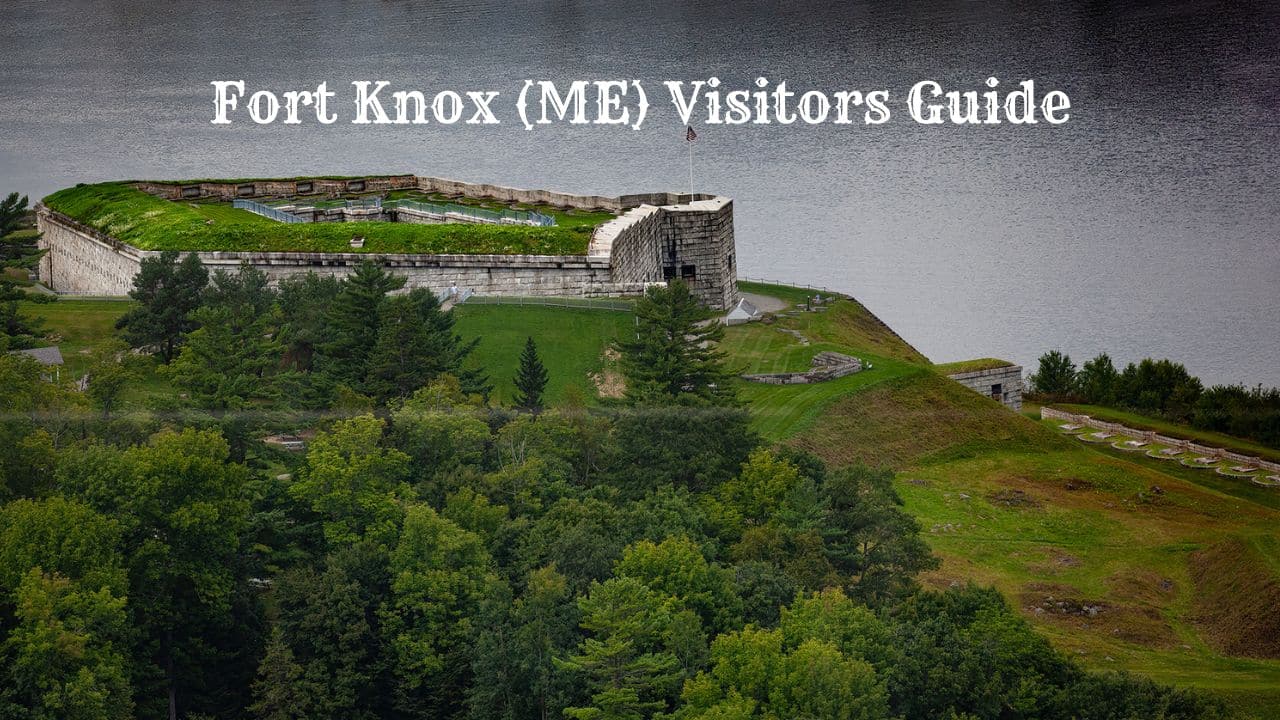
Maine has its own Fort Knox. It sits on the west bank of the Penobscot River in Prospect, right across from Bucksport.
Visitors actually get two attractions in one stop: a granite Civil War-era fort, built starting in 1844, and the Penobscot Narrows Observatory, an elevated deck about 420 feet above the river.
The fort was built to guard the Penobscot River Valley from a possible British attack that, well, never actually came. Since it never saw battle, it’s one of the best-preserved forts from its era in the country.
Guests can wander through dark granite passageways and climb spiral staircases. You can also check out the cannon batteries that still face the water.
The site covers 144 acres, so there’s plenty of room for picnics or just easy walking.
Wondering if Fort Knox Maine is worth a visit? Here’s what you’ll want to know about hours, tickets, what to bring, and how to get the most out of your trip.
BOOK YOUR STAY NEAR FORT KNOX (ME) HERE
Fort Knox Visitor Information
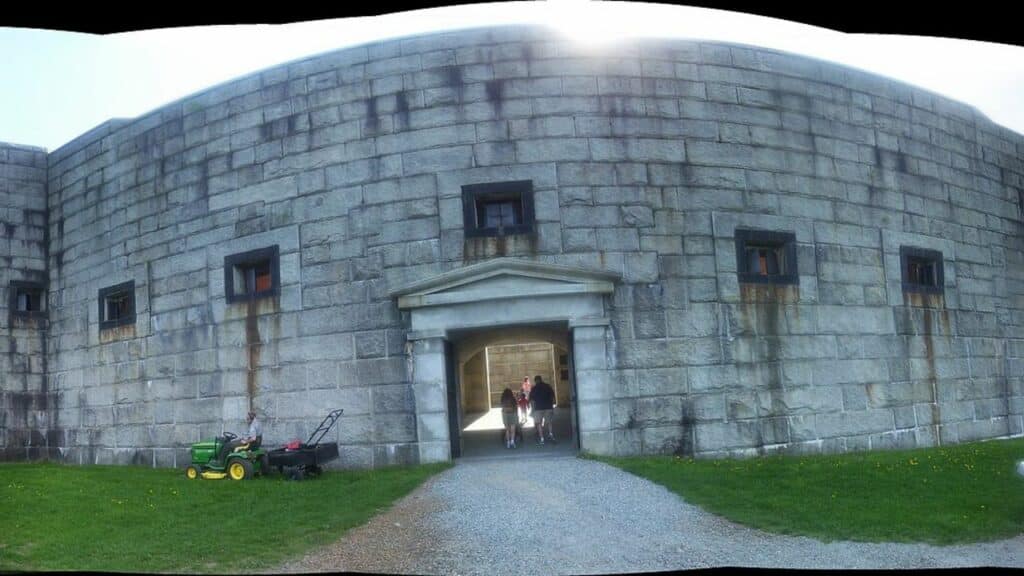
Fort Knox State Historic Site is in Prospect, Maine, on the west bank of the Penobscot River. The grounds cover about 144 acres and include the granite fort, a small gift shop, and a free education and museum center.
The site sits right next to the Penobscot Narrows Bridge and Observatory, so many people tour both in one go.
Seasonal hours
| Dates | Site & Observatory | Fort closes |
|---|---|---|
| May 1 – June 30 | 9 am – 5 pm | 6 pm |
| July 1 – Aug 31 | 9 am – 6 pm | 7 pm |
| Sept 1 – Oct 31 | 9 am – 5 pm | 6 pm or sunset |
| Nov 1 – Apr 30 | Closed | — |
Even in the off-season, the park grounds stay open daily from 9 am to sunset, as long as the weather’s decent.
2026 admission (fort and park only)
- Maine resident adults, ages 12–65: $6
- Maine resident seniors, 65+: free
- Non-resident adults: $8
- Non-resident seniors: $4
- Children ages 5–11: $3
2026 admission with observatory elevator
- Maine resident adults: $9
- Maine resident seniors: $3
- Non-resident adults: $11
- Non-resident seniors: $7
- Children ages 5–11: $6
You can only buy tickets at the gate booth when you arrive. No online ticketing, so don’t bother searching for it.
The nonprofit Friends of Fort Knox manages the site for the state. Bring a flashlight for the dark passageways, and wear sturdy shoes—those granite floors are uneven.
BOOK YOUR STAY NEAR FORT KNOX (ME) HERE
The History of Fort Knox
Fort Knox sits on the west bank of the Penobscot River in Prospect, Maine. Construction started in 1844, with one main goal: protect the river valley from a potential British naval attack.
That worry came from real history. British forces had moved into the area between Castine and Bangor during both the American Revolution and the War of 1812. Bangor’s lumber trade made this region valuable.
The fort got its name from Major General Henry Knox, the first U.S. Secretary of War. He was born in Boston and later settled in Thomaston, Maine.
Chief Engineer Joseph Totten designed the granite structure. Several engineers, including Isaac Ingalls Stevens and Thomas L. Casey, oversaw the work between 1844 and 1869.
Here are a few key dates:
| Year | Event |
|---|---|
| 1844 | Construction begins |
| 1863–1866 | First troops garrisoned at the fort |
| 1869 | Building work ends, though the fort was never fully completed |
| 1898 | Troops stationed during the Spanish-American War |
During the Civil War, most soldiers stationed there were volunteers in training. Some came from the 20th Maine, a regiment famous for Gettysburg.
Despite more than 25 years of building and two periods of occupation, Fort Knox never saw combat.
Today, the site covers about 144 acres and is managed by the State of Maine, with support from the Friends of Fort Knox.
What to See at Fort Knox
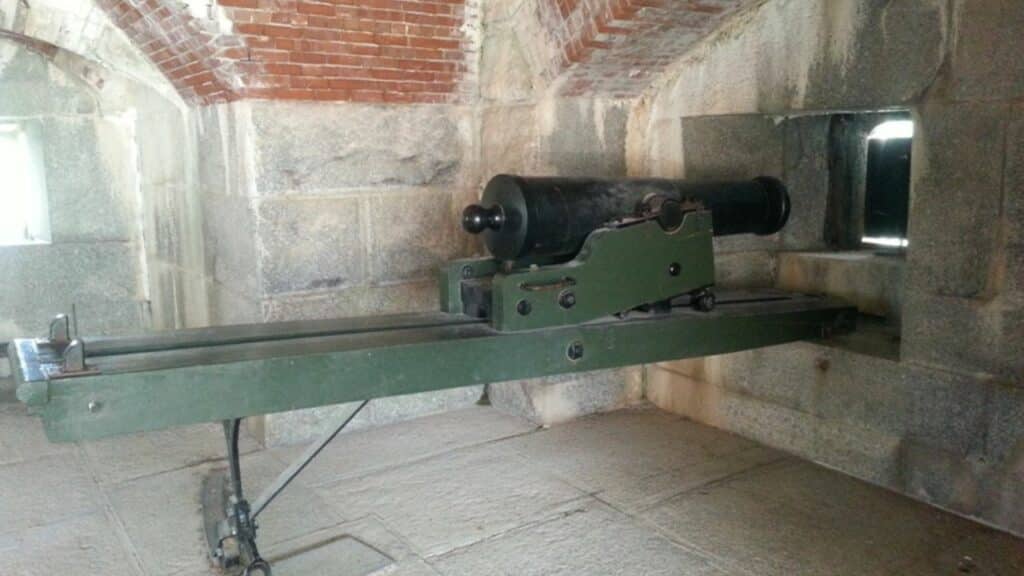
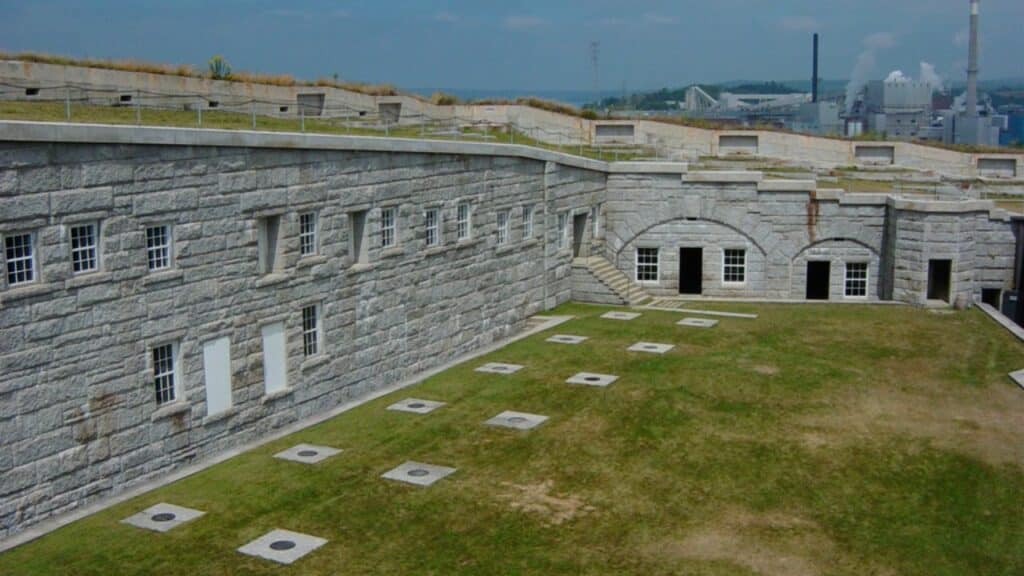
Fort Knox spreads across 144 acres in Prospect, Maine. Its granite walls hold two levels of gun rooms, dark stairways, storage vaults, and open drill fields.
Visitors can walk through nearly every part of the fort, from the underground passages to the officers’ housing above the parade ground.
The Granite Fortifications
The most striking thing here is the stone itself. The fort was built from granite quarried at Mount Waldo, just a few miles upriver.
Construction started in 1844 and dragged on until 1869. The fort was never really finished, though.
Chief Engineer Joseph Totten drew up the design. Isaac Ingalls Stevens and Thomas L. Casey acted as construction superintendents at different times.
You can see the quality of the stonework up close. The granite blocks fit together tightly, and the spiral staircases are cut from single pieces of stone.
Walk the ramparts along the top for a clear view of the Penobscot River and the bridge next door. Keep an eye out for unfinished sections, too—some original plans just never happened.
Gun Batteries and Casemates
Fort Knox was designed to stop ships moving up the Penobscot River toward Bangor. Its gun positions face the water for exactly that reason.
The fort holds several batteries. Two of them, Battery A and Battery B, sit outside the main walls and still have original 15-inch Rodman cannons. These guns are massive, weighing about 25 tons each.
Inside, the casemates are arched stone rooms built to hold cannons under cover. Gunners fired through narrow openings while thick granite protected them from return fire.
Many casemates are open for wandering. Bring a flashlight, since natural light barely reaches into these spaces.
Powder Magazines and Underground Passages
Below and behind the gun rooms, you’ll find a network of tunnels, storage rooms, and hallways. This is often the part visitors remember most.
The powder magazines stored gunpowder and had to stay dry and safe from sparks. Builders used ventilation shafts and separated the magazines from the rest of the fort to reduce risk.
Several long, dark corridors connect different sections. Some are completely unlit.
Practical tips for the tunnels:
- Bring a flashlight or headlamp—phone lights work, but they drain fast
- Wear shoes with good grip, since floors can be damp
- Watch your head in low doorways
- Temperatures stay cool underground, even in July
Parade Ground and Officers’ Quarters
The parade ground is the open grassy area at the center of the fort. Troops drilled and assembled here.
Fort Knox first held soldiers from 1863 to 1866, mostly volunteers training before heading to active posts. Members of the 20th Maine were among them.
Troops returned briefly during the Spanish-American War in 1898, but the fort never saw combat. Around the parade ground stand the officers’ quarters and enlisted men’s barracks.
Some rooms are open, and interpretive signs explain how soldiers lived day to day. The lawn is a common spot for picnics, too. Families often eat here between exploring the tunnels and visiting the observatory.
Visitor and Education Center
The visitor center sits near the entrance and makes a handy first stop. Staff and volunteers from the Friends of Fort Knox, the nonprofit running the site, can answer questions and point out what to see.
Inside you’ll find exhibits on the fort’s construction, the border disputes with British Canada that prompted its building, and the soldiers stationed here.
The center sells tickets, including combo tickets for the Penobscot Narrows Observatory. There’s a gift shop with books, maps, and local items. Restrooms are available too.
The fort is open May 1 through October 31, from 9:00 a.m. to sunset. The surrounding park grounds stay open year-round.
The Penobscot Narrows Observatory
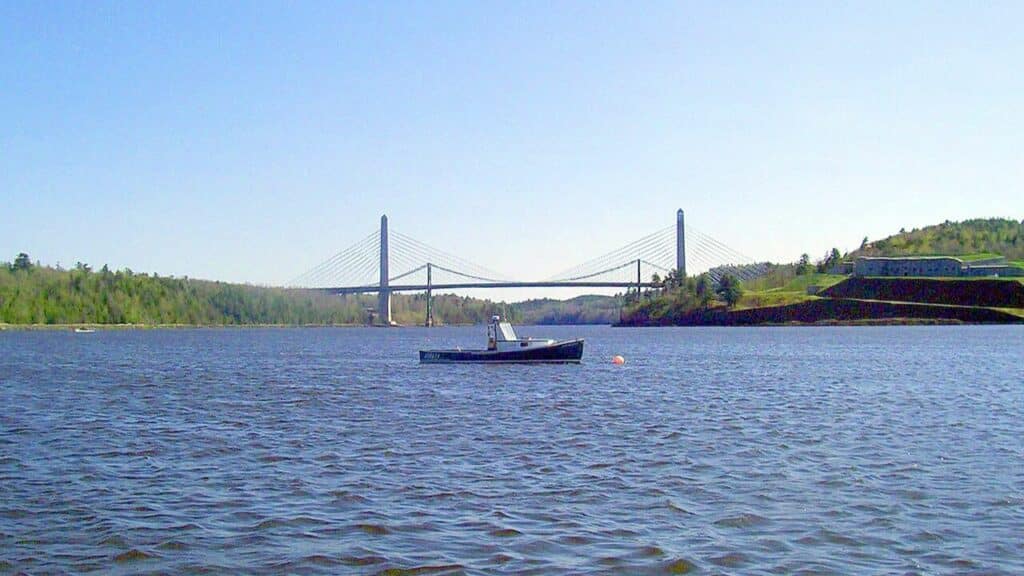
Right next to the fort is the Penobscot Narrows Bridge. Inside one of its towers, you’ll find the Penobscot Narrows Observatory.
It’s the tallest bridge observatory in the world that’s open to the public.
An elevator whisks visitors 420 feet up in about a minute. From the top, the view stretches across the Penobscot River, Penobscot Bay, and the hills and mountains to the west.
The observatory shares a ticket booth and entrance with Fort Knox, so most people visit both in one trip. Tickets are only sold on-site at the gate booth—no online option.
2026 combined ticket prices (fort, park, and observatory elevator):
| Visitor type | Price |
|---|---|
| Maine resident adults (12–65) | $9.00 |
| Maine resident seniors (65+) | $3.00 |
| Non-resident adults | $11.00 |
| Non-resident seniors | $7.00 |
| Children (5–11) | $6.00 |
The observatory follows the same seasonal schedule as the rest of the site. It opens May 1 and closes October 31, with hours running 9 am to 5 pm in spring and fall, and 9 am to 6 pm in July and August.
A few tips before heading up:
- Check the weather first—cloudy or foggy days really limit the view.
- Bring a camera or phone for the 360-degree views.
- Plan for a short wait at busy times, since the elevator only fits a handful of people at once.
Things to Do at Fort Knox State Historic Site
You can spend a couple of hours or an entire day here. The place sprawls across more than 100 acres along the Penobscot River, and most of it’s open for wandering.
Tour the fort on your own. Fort Knox went up between 1844 and 1869, all granite and big ambitions.
Walk through the old gun batteries. Climb the spiral granite staircases or duck into the soldiers’ quarters.
Bring a flashlight for the tunnels. Some passageways and storage rooms are pitch black. Sure, a phone light works, but a real flashlight is just easier and brighter.
Ride to the top of the observatory. The Penobscot Narrows Bridge Observatory stands right next to the fort and needs a separate ticket.
An elevator zips you over 400 feet up for sweeping views of the river, Bucksport, and the hills beyond.
Stop by the Guest Education Center. It’s got a small free museum and a gift shop with snacks and souvenirs.
Other things to do on the grounds:
| Activity | Notes |
|---|---|
| Picnicking | Tables and open lawn areas overlook the river |
| Photography | Popular spots include the parade ground and bridge views |
| Walking the grounds | Park grounds stay open year-round, 9 am to sunset |
| Attending events | Civil War Days and seasonal programs run on set dates |
The fort’s stone floors and stairs can get uneven and damp. Sturdy shoes help a lot, and a light jacket is smart since it stays cool inside, even in July.
Tips for Visiting Fort Knox
A little planning goes a long way at this granite fort on the Penobscot River. Here are some quick tips to make your trip smoother.
Bring a flashlight. Some hallways and rooms are dark enough to lose your footing. A flashlight beats a phone light, hands down.
Wear sturdy shoes. Stone steps can be slippery and uneven. There’s a lot of ground to cover—about 144 acres, in fact.
Dress in layers. The inside of the fort is always cool, even in July, and the ramparts can get windy.
Plan for two to three hours. That’s usually enough time for the fort, the observatory, and a quick stop at the museum or gift shop.
Bring cash or a card for the gate. Tickets are only sold at the entrance booth. No buying ahead online, unfortunately.
Here are the 2026 entrance fees:
| Ticket Type | Maine Adult | Maine Senior (65+) | Non-Resident Adult | Non-Resident Senior | Child (5–11) |
|---|---|---|---|---|---|
| Fort & park only | $6 | Free | $8 | $4 | $3 |
| Fort, park & observatory | $9 | $3 | $11 | $7 | $6 |
Check the schedule before you go. The fort and observatory run from May 1 through October 31, but closing times shift with the season.
Park grounds stay open year-round, 9 a.m. to sunset, if the weather cooperates.
Nearby Attractions
Fort Knox sits in Maine’s Downeast and Acadia region, so you can easily tack on a few more stops.
The most obvious is right next door. The Penobscot Narrows Bridge and Observatory soars about 420 feet, and the elevator brings you near the top for epic views of the river, fort, and hills. Buy tickets at the Fort Knox visitor center.
The observatory usually closes in winter.
Cross the bridge, and you’re in Bucksport, a little river town with a walking path along the water. The mile-long trail looks back at the fort and bridge.
Other options within a short drive:
| Attraction | Distance from Fort Knox | What to Expect |
|---|---|---|
| Bucksport waterfront | About 2 miles | Riverwalk, shops, restaurants |
| Searsport | About 12 miles | Penobscot Marine Museum, antique shops |
| Belfast | About 20 miles | Harbor walk, downtown galleries |
| Bangor | About 25 miles | Museums, parks, city dining |
| Acadia National Park | About 50 miles | Hiking, carriage roads, coastal views |
Families with kids often pair the fort with a stop in Searsport, where the Penobscot Marine Museum dives into local shipbuilding history.
If you’re heading farther east, you’ll reach Bar Harbor and Acadia National Park in about an hour. Fort Knox makes a solid morning stop for anyone driving up the coast.
Frequently Asked Questions
Fort Knox State Historic Site sits in Prospect, Maine, on 125 acres along the Penobscot River. The Penobscot Narrows Observatory rises right next door.
People usually want to know about hours, ticket prices, parking, and how the fort and observatory work together as a visit.
What are the hours and admission fees for Fort Knox State Historic Site?
The fort opens daily from 9 a.m. to sunset during the main season, May 1 through October 31. The observatory keeps shorter hours, usually 9 a.m. to 5 p.m., but may stay open later in peak summer.
Pay admission per person at the gate. Adults pay a state park day-use fee, kids get in cheaper, and little ones are usually free.
A Maine State Park Pass covers entry to the fort grounds. If you want to ride up the observatory, there’s a separate fee to help cover the elevator and staffing.
Rates and hours shift from year to year. It’s smart to check the Friends of Fort Knox site before you go.
How long does it take to tour Fort Knox and the Penobscot Narrows Observatory?
Most people spend two to three hours at the site. That’s enough for the fort, observatory, and the overlooks.
If you’re just breezing through, an hour can do it. Anyone who wants to poke around the tunnels and read the signs should plan for more time.
The observatory itself takes about 20 to 30 minutes, counting the elevator ride and time at the top.
Can visitors drive to Fort Knox, Maine, and where is parking available?
Yes, you can drive right in. The site sits off Route 174 in Prospect, just past the Penobscot Narrows Bridge on U.S. Route 1, about 30 minutes south of Bangor and a few minutes from Bucksport.
A paved lot sits inside the entrance gate, near the visitor center and base of the observatory tower. Parking is free once you’ve paid admission.
The lot fits cars, RVs, and buses. It fills up on summer weekends and event days, so coming earlier helps.
Is the Penobscot Narrows Observatory included with admission to Fort Knox?
Nope. The fort and observatory are managed as one site, but the observatory has its own ticket price on top of park entry.
The elevator climbs about 420 feet in under a minute—one of Maine’s fastest. At the top, three glass-walled levels give you a 360-degree view of the river, Verona Island, Bucksport, and the fort below.
The Penobscot Narrows Observatory is the tallest public bridge observatory in the world.
What can visitors see and do inside Fort Knox State Historic Site?
The fort was built between 1844 and 1869 out of local granite to guard the Penobscot River. It was the first American fort named for Major General Henry Knox, the country’s first Secretary of War.
Walk the parade ground, step into the cannon batteries, and climb the granite spiral staircases between levels. Two original 15-inch Rodman cannons still sit on site.
Dark stone tunnels and passageways run beneath some sections. A flashlight comes in handy, and sturdy shoes help on the uneven floors.
The grounds have picnic spots, river views, and walking paths. Bald eagles and osprey sometimes soar overhead.
Guided tours run in the summer. The fort also hosts events like Civil War reenactments and the Fright at the Fort Halloween program.
Are Fort Knox and the Penobscot Narrows Observatory open year-round?
The main visitor season runs May 1 through October 31. After that, the observatory shuts down for winter, and the fort’s staffed hours wrap up in the fall.
The grounds might stay open for some limited off-season walk-in access. But you’ll find the visitor center, restrooms, and elevator all closed.
Snow and ice sometimes block off parts of the fort completely.
If you’re thinking about visiting between November and April, it’s smart to check ahead to see what’s open.

Cory is a website owner and content creator who enjoys fishing, history, coin collecting, and sports, among other hobbies. He is a husband and father of four.
Romans 15:4 For whatever was written in former days was written for our instruction, that through endurance and through the encouragement of the Scriptures we might have hope.