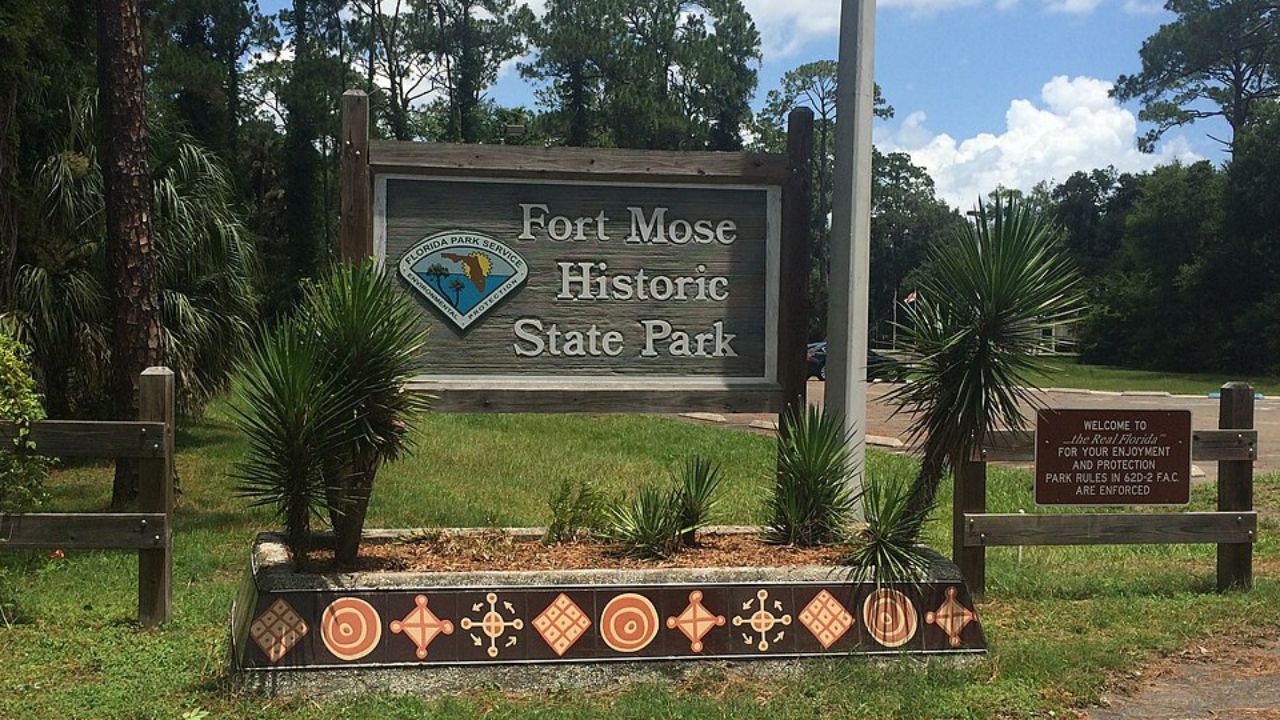
Fort Mose Historic State Park sits near St. Augustine, Florida, and marks a crucial piece of American history that many people might not know about.
This 40-acre waterfront site preserves the location of the first legally sanctioned free African settlement in what would become the United States, established in 1738.
The park features a recreated fort, a visitor center with exhibits, and walking trails through natural salt marsh areas. It’s honestly a fascinating spot for anyone curious about hidden chapters of history.
This Fort Mose travel guide covers everything you’ll need to plan a visit, from practical info to why the site matters. The park lets you learn about formerly enslaved people who escaped to Spanish Florida and built a new community.
You can explore the fort replica, walk the observation boardwalks, and see why this place earned National Historic Landmark status in 1994. There’s more to do here than you might expect.
BOOK YOUR TRIP TO FORT MOSE STATE HISTORIC PARK HERE
Fort Mose Visitor Information
Fort Mose Historic State Park welcomes visitors year-round. The grounds are open daily from 9 a.m. to 5 p.m.
The visitor center and museum have a more limited schedule. They’re open Thursday through Monday from 9 a.m. to 5 p.m., and closed on Tuesdays and Wednesdays.
Admission Fees:
- Park grounds: Free
- Museum/Visitor Center: $2 per adult
- Children under 6: Free
Guided tours of Fort Mose run at 10 a.m. and 1 p.m. daily. Each tour lasts about an hour, and the fort itself is only open during these tours and special events.
The park offers a scenic boardwalk for birdwatching and observation. There’s a kayak launch boardwalk for paddlers, and picnic areas scattered around the grounds.
The visitor center houses a museum that tells the story of this historic free-slave settlement and the original fort. The site is a stop on the National Underground Railroad to Freedom and the Florida African American History Trail.
Fort Mose was originally established in 1738 by Spanish Governor Manuel de Montiano. The park preserves both the historical significance and natural beauty of this unique location.
BOOK YOUR STAY NEAR FORT MOSE STATE HISTORIC PARK HERE
History of Fort Mose
In 1738, the Spanish governor of Florida established Fort Mose as the first legally sanctioned free African settlement in what became the United States.
The fort sat just north of St. Augustine, acting as a protective barrier for the Spanish colonial city.
Spanish authorities created this settlement for formerly enslaved Africans who had escaped from the British colonies in Carolina. These individuals made a dangerous 300-mile journey south to reach Spanish Florida.
In exchange for freedom, they converted to Catholicism and pledged to serve the Spanish Crown. That was the deal, and many took it.
Key Facts About Fort Mose:
- Official Name: Gracia Real de Santa Teresa de Mose
- Established: 1738
- Primary Purpose: Military defense and free Black settlement
- Location: North of St. Augustine, Florida
A formerly enslaved African led the free Black militia stationed at Fort Mose. The settlement worked as both a military outpost and a place where free African families lived and built their lives.
The Battle of Bloody Mose happened in 1740, forcing residents to leave the original fort for a while.
Spanish authorities later rebuilt Fort Mose at a nearby spot, and free Africans from St. Augustine moved back in to continue defending Spanish land.
Fort Mose existed over a century before the Underground Railroad helped enslaved people escape to freedom.
The settlement showed how Spanish colonial policy toward escaped slaves was pretty different from British and later American practices.
What to See
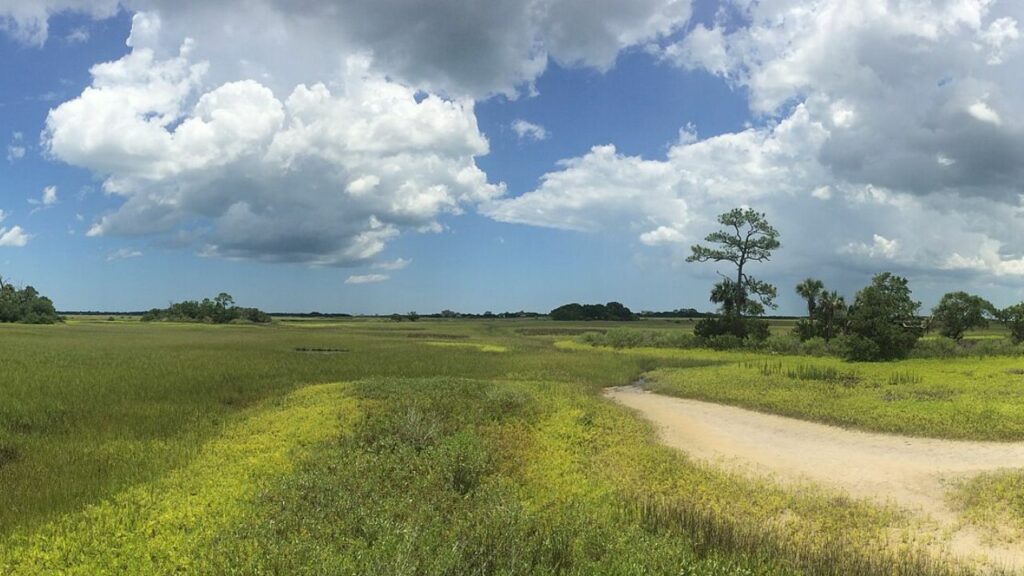
Fort Mose Historic State Park features a reconstructed fort, an interactive museum, interpretive exhibits, and nature boardwalks that bring the story of America’s first legally sanctioned free African settlement to life.
Visitors can explore both the historical side of the 1738 settlement and the natural marshland habitat around it.
The Fort Mose Reconstruction
The reconstructed fort stands as a reminder of the original 1738 fortification that protected the settlement. While the original structures are long gone, the recreation gives you a sense of what the outpost looked like under Spanish colonial rule.
The fort includes wooden palisade walls and a watchtower. You can walk around the structure and imagine how the residents defended themselves and St. Augustine. The fort sits right on the land where freed Africans once built their homes.
Visitor Center and Museum
The visitor center houses an interactive museum that tells the story of Gracia Real de Santa Teresa de Mose. The museum is open Thursday through Monday, 9 a.m. to 5 p.m., and it’s just $2 to get in.
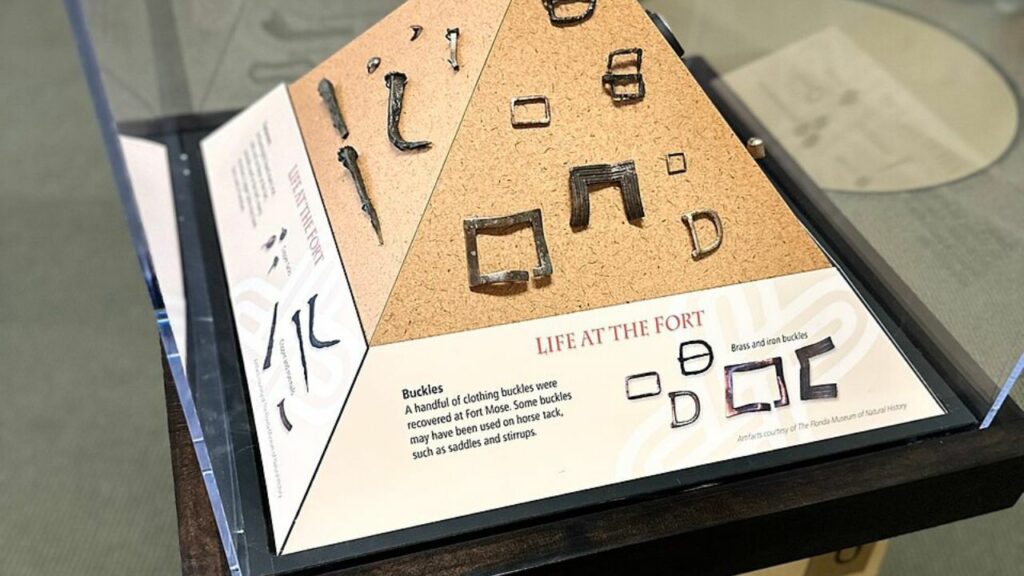
The museum features colorful displays and video presentations about how enslaved people escaped to Spanish Florida to find freedom. Interactive exhibits show daily life in the settlement—how people farmed, worked, and defended their community. Artifacts and interpretive panels help you understand Fort Mose’s place in American colonial history.
Archaeological and Interpretive Exhibits
The Flight to Freedom Trail offers a self-guided walk along 1.1 miles of wooded paths with interpretive panels. This trail takes you back to 1738 and explains how men, women, and children risked everything to reach freedom in Spanish Florida.
Panels along the trail provide context about the settlement’s beginnings and daily life. The exhibits explain why Spanish Florida offered sanctuary to escaped slaves and how Fort Mose became a beacon of hope. Archaeological info helps visitors see what researchers have uncovered about the original site.
Boardwalk and Observation Areas
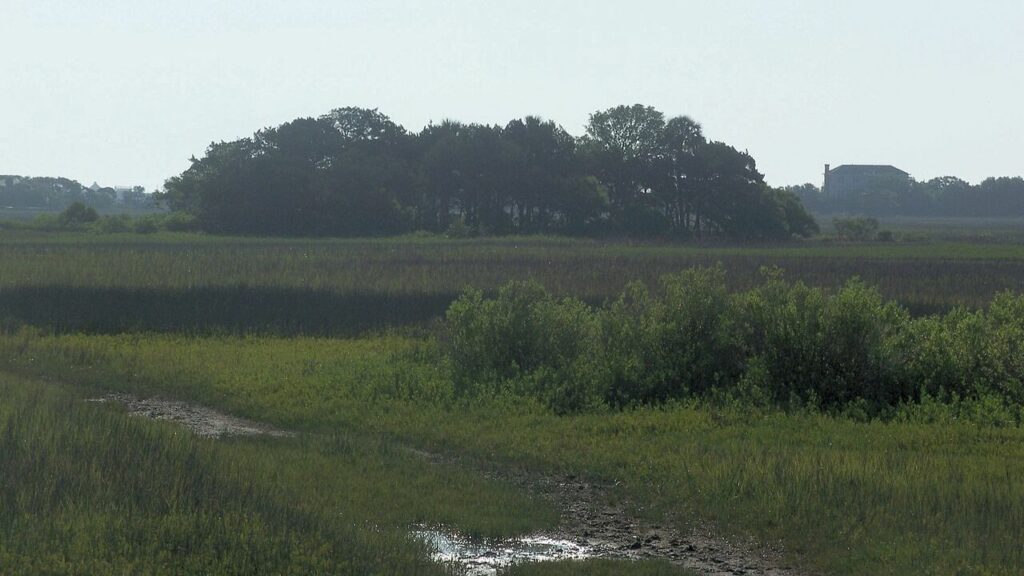
A boardwalk stretches through the marsh, offering access to the waterfront habitat around the historic site. The observation area gives you views of the landscape that once surrounded the original settlement and protects the marsh ecosystem.
The boardwalk is a great spot for wildlife viewing. You might see great blue herons, bald eagles, or white ibis here. There’s also a kayak launch boardwalk if you want to get out on the water and see the marsh from a different angle.
Living History Programs and Special Events
Fort Mose hosts educational programs and special events throughout the year. Storytelling and demonstrations bring the settlement’s history to life and show how the freed African community lived and worked.
The park offers group educational opportunities for schools and organizations interested in this often-overlooked chapter of American history. The 40-acre waterfront site also hosts special events, with oak and pine trees providing shade near the water.
Things to Do
Fort Mose Historic State Park gives you several ways to explore this important site. You can walk 1.1 miles of trails and boardwalks across the 40-acre property.
The two wheelchair-accessible boardwalks are perfect for birdwatching, especially if you’re into coastal shorebirds or birds of prey.
The museum and visitor center is the main attraction. Inside, you’ll find interactive exhibits with artifacts, historic maps, and audio-visual displays that tell the story of the first free African settlement in the United States.
A film in the classroom adds more detail about the residents who escaped enslavement and built their community here in 1738.
Outdoor Activities
- Kayaking and canoeing from the floating boardwalk launch
- Birdwatching along the observation boardwalks
- Picnicking at two designated areas
- Geocaching throughout the park grounds
The picnic areas include a covered pavilion near the main boardwalk and a larger uncovered spot behind the visitor center with oak tree shade. Both have grills and trash cans.
You can arrange group tours of the museum and grounds by calling the park office. The park provides assisted listening devices and iPods with audio tours on a first-come, first-served basis. Sign language interpreters are available if you give advance notice.
The park’s waterfront setting makes it a good spot for special events. The grounds have oak and pine trees, easy access for catering, and air-conditioned restrooms.
Is Fort Mose Worth Visiting?
If you’re interested in African American history or colonial America, Fort Mose is definitely worth a visit. The site marks the first legally sanctioned free African settlement in what became the United States, dating back to 1738.
The park offers several features that make it a worthwhile stop. You can check out an interactive museum that tells the story of Gracia Real de Santa Teresa de Mose with displays, artifacts, and videos.
The museum is small but well-designed, with engaging exhibits. The self-guided Flight to Freedom Trail takes you through a woodland path with interpretive panels, helping you understand how enslaved people risked everything for freedom at Fort Mose.
What visitors can experience:
- A recreation of the original fort structure
- Observation and birding boardwalk through salt marsh
- Wildlife viewing—keep an eye out for great blue herons and bald eagles
- Kayak launch for water access
- Picnic areas
The park grounds are open daily from 9 a.m. to 5 p.m., and admission to the grounds is free. The visitor center and fort tours cost $2 per adult, and children under 6 get in free.
Tours run at 10 a.m. and 1 p.m. and last about an hour. Fort Mose has been a National Historic Landmark since 1994. The site fits nicely into a larger St. Augustine trip, though it’s just outside the main historic district.
With its historical importance, low cost, and educational value, it’s a solid choice for most travelers.
Tips for Visiting Fort Mose
The park grounds are open daily from 9 a.m. to 5 p.m., all year round. The visitor center and museum are open Thursday through Monday, same hours, but closed Tuesday and Wednesday.
Admission costs $2 per adult for the museum and visitor center. Kids under 6 get in free, and access to the park grounds is free for everyone.
Plan to spend about an hour exploring the site. Guided tours run at 10 a.m. and 1 p.m. and last roughly an hour. These tours help you get a feel for the history and significance of the first free African settlement in what became the United States.
The park sits just north of St. Augustine, away from the busy tourist areas. That makes it a pretty quiet place to visit.
During your trip, you can check out:
- Picnic areas for meals and relaxing
- Observation and birding boardwalk for wildlife viewing
- Kayak launch boardwalk for water access
- Reconstructed fort and watchtower
- Museum exhibits about the settlement’s history
It’s smart to bring water and sun protection—Florida can get hot. The boardwalks are great for bird and nature watching. The museum gives important context about the formerly enslaved people who escaped to Spanish Florida and started Fort Mose in 1738.
The site became a National Historic Landmark in 1994. In 2009, the National Park Service named it a precursor site of the National Underground Railroad Network.
Nearby Attractions
Fort Mose sits just north of St. Augustine, which claims to be one of the oldest cities in the United States. You can easily reach the historic downtown area from here—it’s only a short drive away.
The downtown offers a bunch of colonial landmarks and museums. You might find yourself wandering from one to the next without even planning it.
The Castillo de San Marcos is a 17th-century Spanish stone fortress and a big draw for visitors. This massive structure overlooks Matanzas Bay and offers guided tours all year.
The fort played a key role in protecting Spanish Florida during colonial times. It’s impressive to see in person, honestly.
St. Augustine’s historic district has cobblestone streets lined with shops, restaurants, and galleries. You’ll also spot sites like the Oldest Wooden School House and the Fountain of Youth Archaeological Park.
Walking tours can guide you through centuries of history here. There’s a lot to take in, so wear comfortable shoes.
Popular nearby locations include:
- Cathedral Basilica of St. Augustine
- Lightner Museum
- St. Augustine Lighthouse & Maritime Museum
- Anastasia State Park
- Colonial Quarter
The Gullah Geechee Cultural Heritage Corridor runs through this region. It connects Fort Mose to other significant African American historical sites.
This designation highlights the area’s importance to African American history and culture. It’s something worth learning about if you have the time.
Some historic churches in St. Augustine welcome visitors interested in architecture or religious history. The city also has plenty of lodging options, from cozy bed and breakfasts to modern hotels.
Restaurants downtown serve fresh seafood and traditional Southern dishes. Honestly, you might want to stay for dinner.
Most attractions sit within a 15-minute drive from Fort Mose. It’s pretty convenient if you want to pack a lot into a single day.

Cory is a website owner and content creator who enjoys fishing, history, coin collecting, and sports, among other hobbies. He is a husband and father of four.
Romans 15:4 For whatever was written in former days was written for our instruction, that through endurance and through the encouragement of the Scriptures we might have hope.